Medical & Public Health Programme in Tanzania — Art in Tanzania
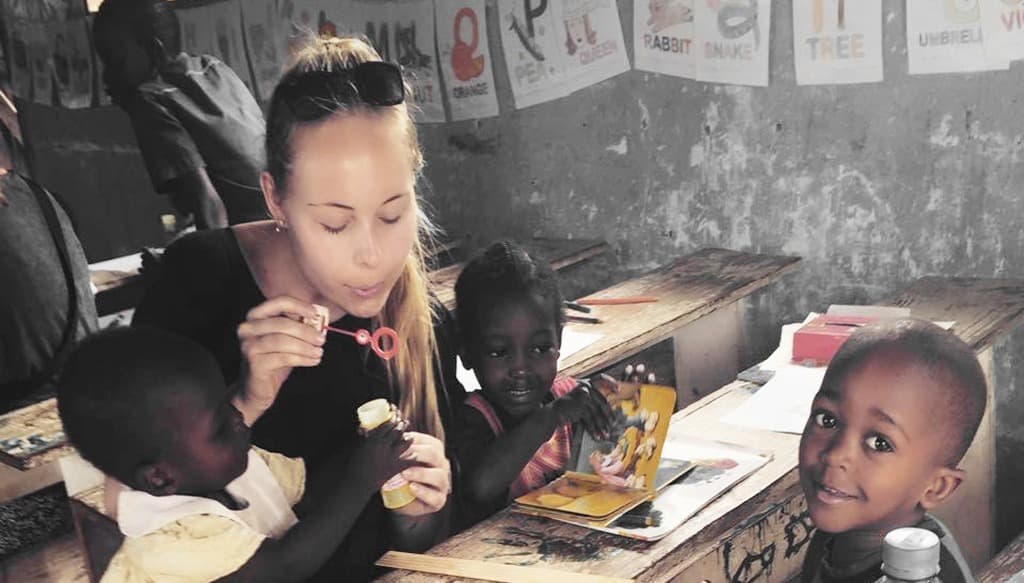
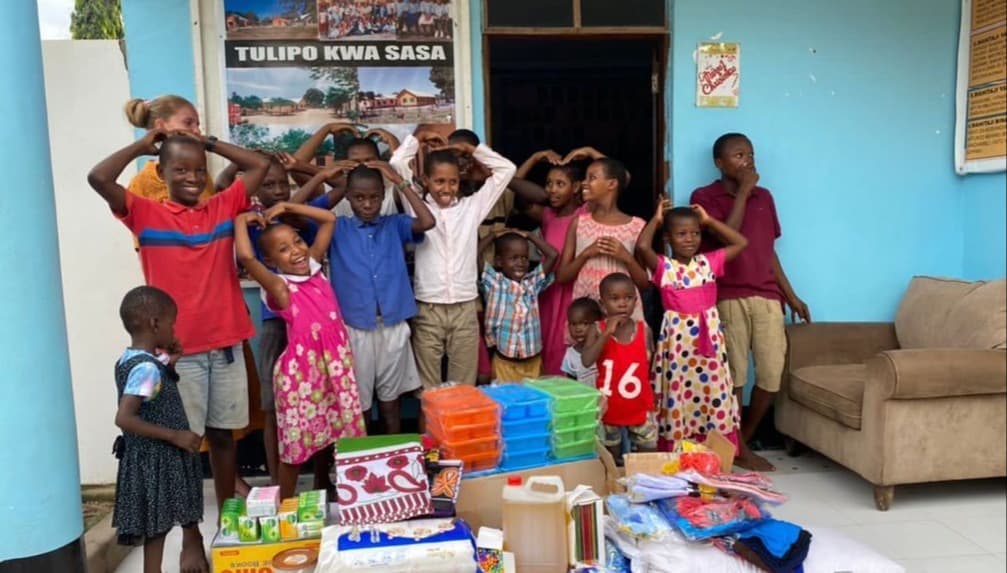
What is it? The Medical & Public Health Programme is a clinical placement combining hospital rotations across many departments with village clinic work and community public health projects in Dar es Salaam and the Madale village area. It has two tracks: clinical hospital placement and public health and community education. It is run by Art in Tanzania (AIT), a community-development NGO founded in 1996.
Where? Dar es Salaam and the surrounding Madale village area, Tanzania — small village clinics plus a larger hospital.
How long? Flexible — the programme runs continuously year-round, with duration adjustable to your academic and clinical placement requirements.
Working hours? 8 hours per day, Monday to Friday.
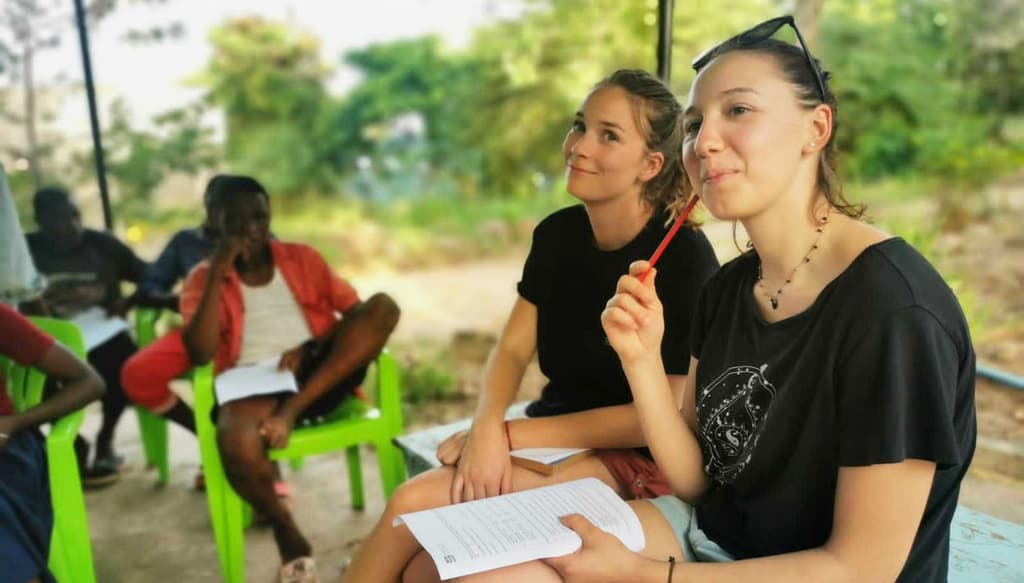
Who joins? Medical, nursing, pharmacy, and allied health students and graduates. AIT typically hosts 15–40 international students at a time, drawn from over 1000 partner universities worldwide.
What are the two tracks?
The programme covers two interconnected tracks that can be combined or focused on, depending on your academic background and clinical requirements.
Track one: clinical hospital placement
Hospital-based placements are available across a wide range of departments, so you can be placed or rotate according to your field of study:
- Internal Medicine
- Paediatrics
- Obstetrics & Gynaecology
- Emergency Medicine
- Radiology
- Laboratory
- Ambulance & Pre-Hospital Care
- Psychiatry & Psychology
- Orthopaedics
- ENT (Ear, Nose & Throat)
- Pharmacy
- CTC (Care and Treatment Centre — HIV/AIDS)
This breadth makes the programme relevant to medical, nursing, and pharmacy students, radiographers, laboratory scientists, and a wide range of allied health professionals. Pharmacy is an area of acute need: village pharmacies operate well below Western standards, and pharmacy interns can make a particular impact through training, advocacy, and practical support.
Track two: public health & community education
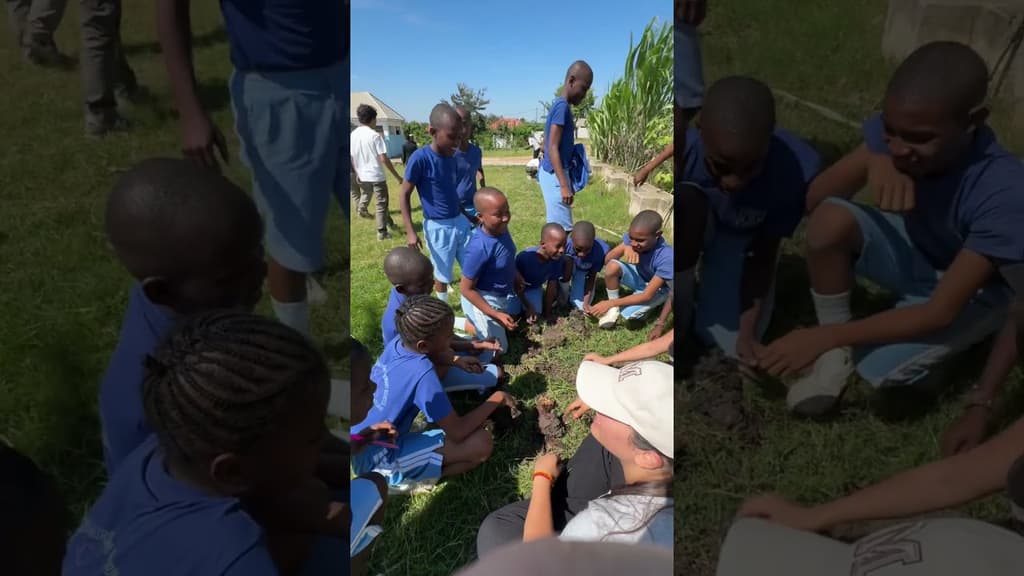
The public health track takes the work beyond the clinic, where prevention, education, and awareness are the most powerful tools:
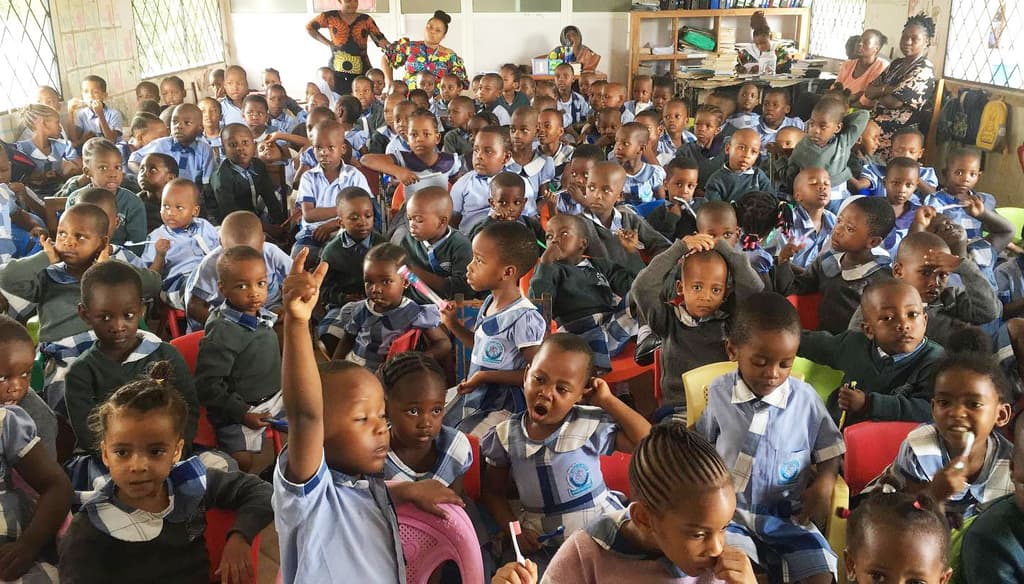
- Nutrition education — working with village communities to build nutrition awareness and food security, address malnutrition, and promote sustainable food practices.
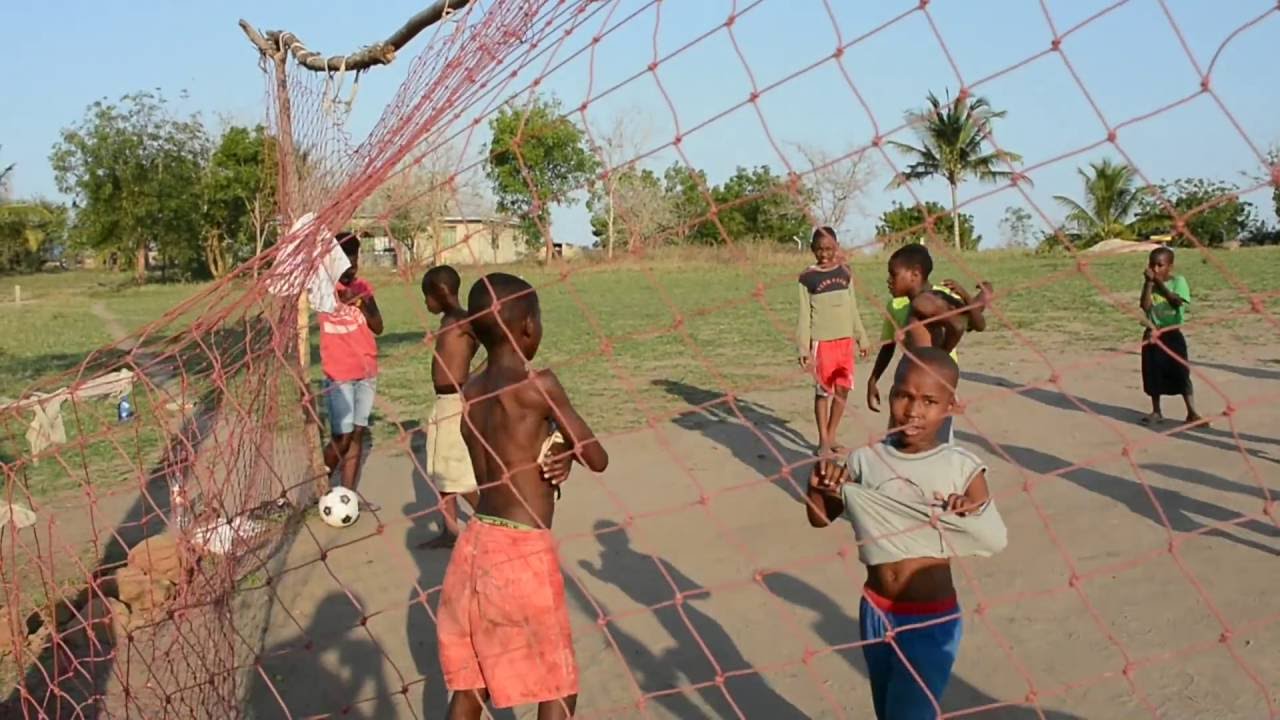
- Sports, exercise, and wellbeing — promoting physical health through sport and exercise programmes where structured physical health education is rare.
- Art therapy — using creative, arts-based approaches to support mental health, trauma recovery, and community resilience.
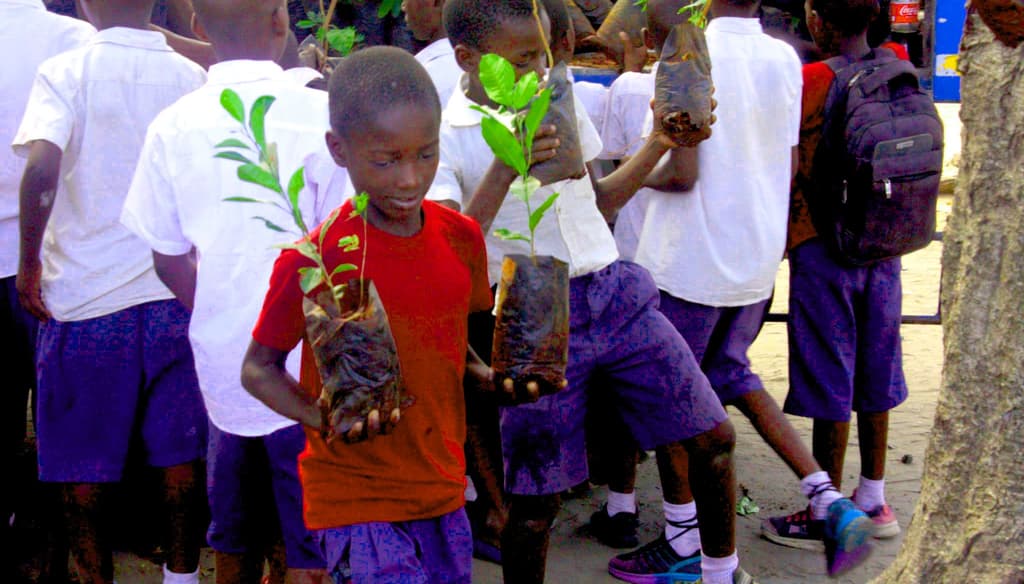
- Sustainability and environmental health — addressing the links between environmental conditions and community health, particularly regarding water, sanitation, and sustainable living.
- HIV/AIDS counselling, testing, and advocacy — contributing to counselling, testing programmes, and community awareness events across Tanzania.
What is the clinical reality?
Medical facilities in Tanzania operate under constraints that will challenge and develop you in ways placements in high-income countries rarely do: limited equipment, high patient volumes, and clinical decisions made with less diagnostic support. That environment demands adaptability, initiative, and a patient-centred approach — and produces clinicians who are more confident, resourceful, and effective under pressure.
How does the placement work?
Your placement is fully tailored to your clinical background, academic requirements, and interests, and all medical and allied health disciplines are welcome. The programme runs year-round with flexible start dates and adjustable duration to meet your clinical placement requirements.
Who runs the programme, and since when?
Art in Tanzania (AIT) has placed approximately 250 participants annually in hands-on community programmes across Tanzania since 1996. The Medical & Public Health Programme combines small village clinic placements with access to a larger hospital, giving a comprehensive picture of healthcare delivery across Tanzania's health system.
What is life in Tanzania like during the placement?
Beyond your clinical hours, Dar es Salaam is a vibrant, fast-growing coastal city, and the country beyond — Kilimanjaro, Zanzibar, the Serengeti — is within reach. Affordable, sustainable safaris and tours are available for you and visiting friends or family.
Can I get funding?
Yes. Erasmus+ funding may be available for this placement. Speak with your student or international office about grant options that could fully or partially fund the experience.
Frequently asked questions
What clinical departments can I be placed in?
Internal medicine, paediatrics, obstetrics and gynaecology, emergency medicine, radiology, laboratory, ambulance and pre-hospital care, psychiatry and psychology, orthopaedics, ENT, pharmacy, and the HIV/AIDS Care and Treatment Centre.
Who can join the Medical & Public Health Programme?
Medical, nursing, and pharmacy students, radiographers; laboratory scientists; and allied health professionals and graduates. AIT hosts 15–40 participants at a time from over 400 partner universities worldwide.
What does the public health track cover?
Nutrition education, sports and exercise, art therapy, sustainability and environmental health, and HIV/AIDS counselling, testing, and advocacy.
What are the working hours?
8 hours per day, Monday to Friday.
When can I start?
The programme runs year-round, with flexible start dates and durations that can be adjusted to your clinical placement requirements.
Is funding available?
Yes — Erasmus+ funding may fully or partially cover your placement. Ask your student office about grant options.
Ready to apply?
📋 Apply now · 🌐 Visit our website · 📷 See the compound · ✈️ Pre-travel info · 📖 EVOLVET volunteer development programme · 💬 Read testimonials
Get in touch
Have questions? We'd love to hear from you.
📧 < E-Mail aus Sicherheitsgründen gelöscht > · 📱 WhatsApp: +255 767 777 73 · 🎥 Schedule a Zoom meeting