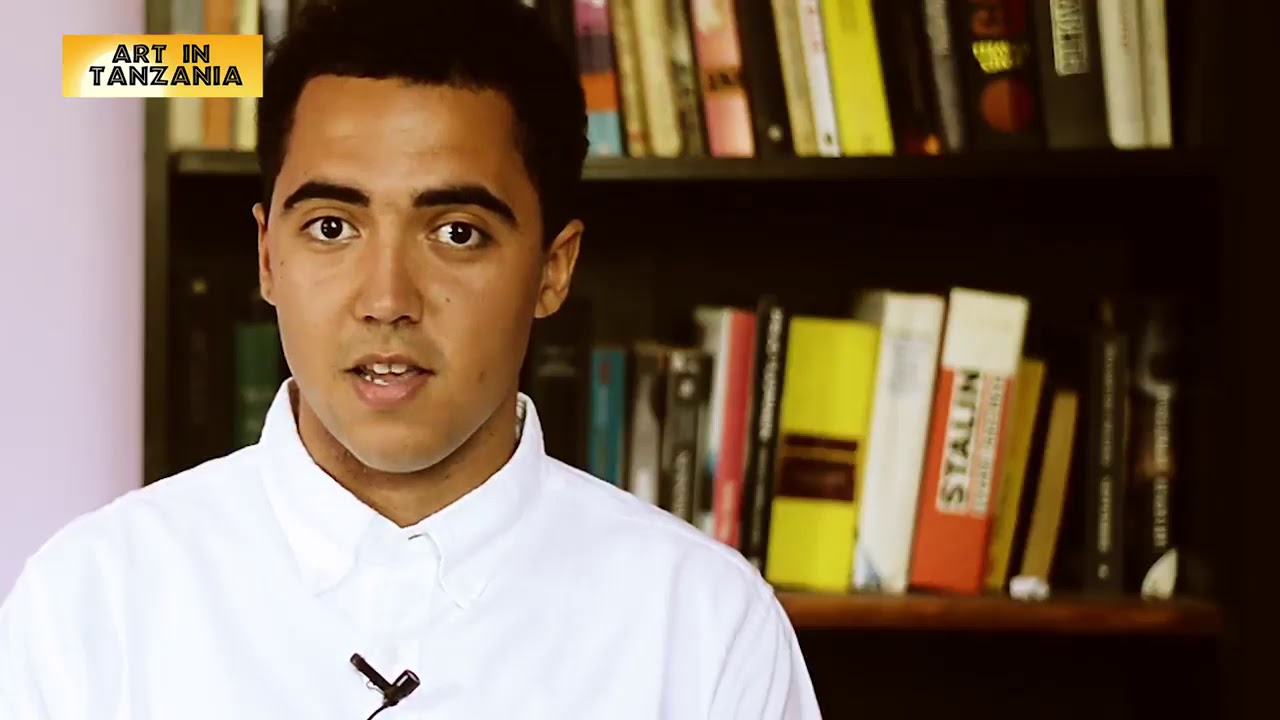
Anthropology Program — Art in Tanzania
The best way to understand a culture is to live inside it — and then look back at your own.
Anthropology is, at its core, the study of what makes us human — how we organise our societies, transmit knowledge, form identities, and navigate the differences and connections between cultures. Tanzania offers one of the richest environments on earth for that work: a country where ancient traditions and rapid modernisation coexist, where Western cultural influence is visible and contested, and where the questions anthropologists ask have immediate, practical relevance to the communities grappling with them.
This task is not a library placement. It is field anthropology — embedded, applied, and genuinely engaged with the people and communities you are studying and working alongside.
About the Program
Since 1996, Art in Tanzania has placed approximately 250 participants annually in hands-on community programmes across Tanzania. Our Anthropology Program combines cultural research and cross-cultural education with practical community development work — in collaboration with NGO consortia including UNICEF and the United Nations.
You will be working toward real development targets in Tanzanian society, not observing from a distance. The anthropological lens you bring makes your community work more effective — and the community work makes your anthropology more grounded.
What You'll Do
Your placement is tailored to your academic background, research interests, and professional focus. Work spans several interconnected areas:
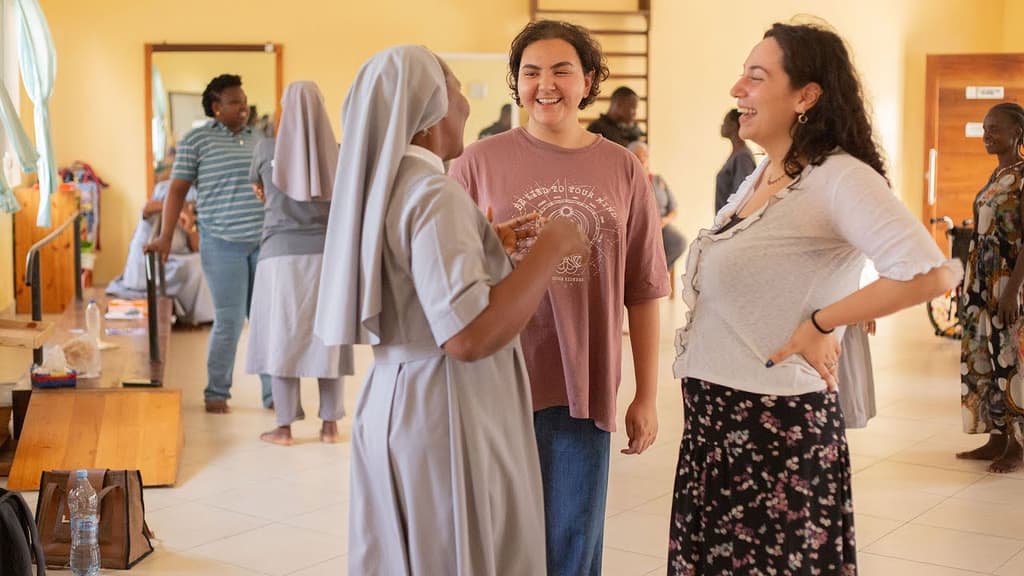
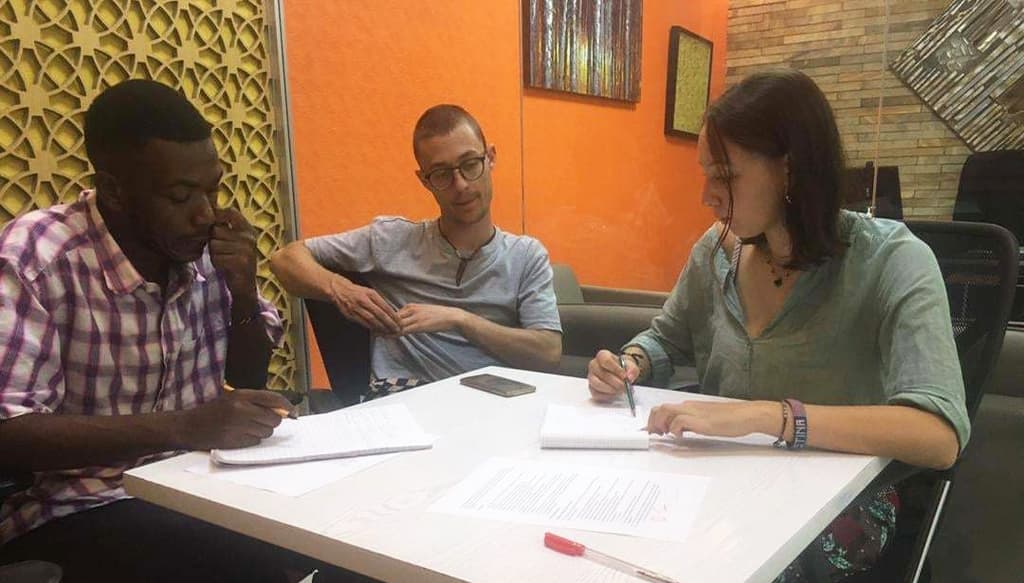
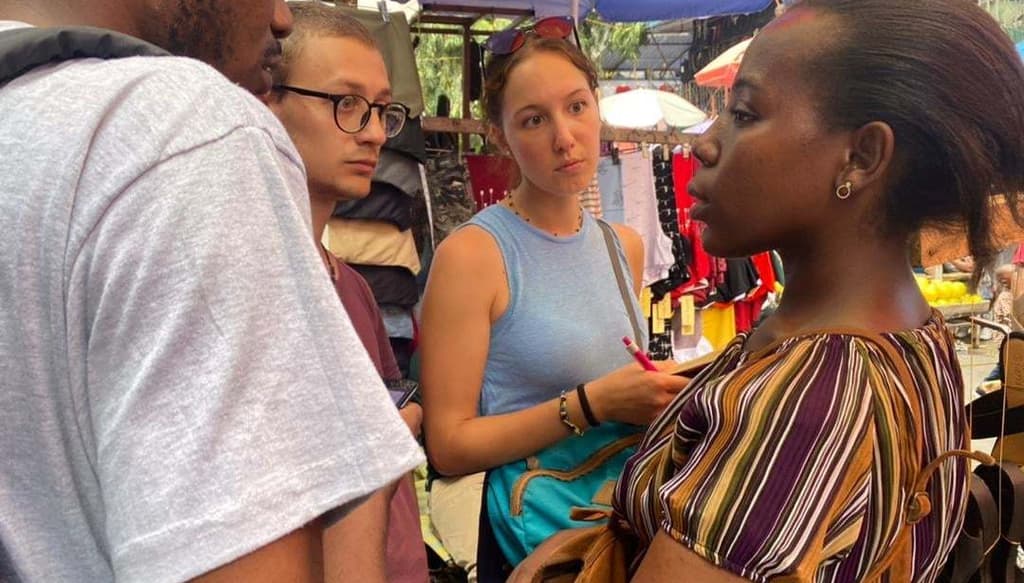
🌍 Cross-Cultural Research & Documentation Examine the similarities and differences between African and Western cultures in terms of human behaviour, social organisation, and cultural values — both historical and contemporary. Document what you observe, analyse what it means, and contribute to a growing body of knowledge about cultural exchange and development in East Africa.
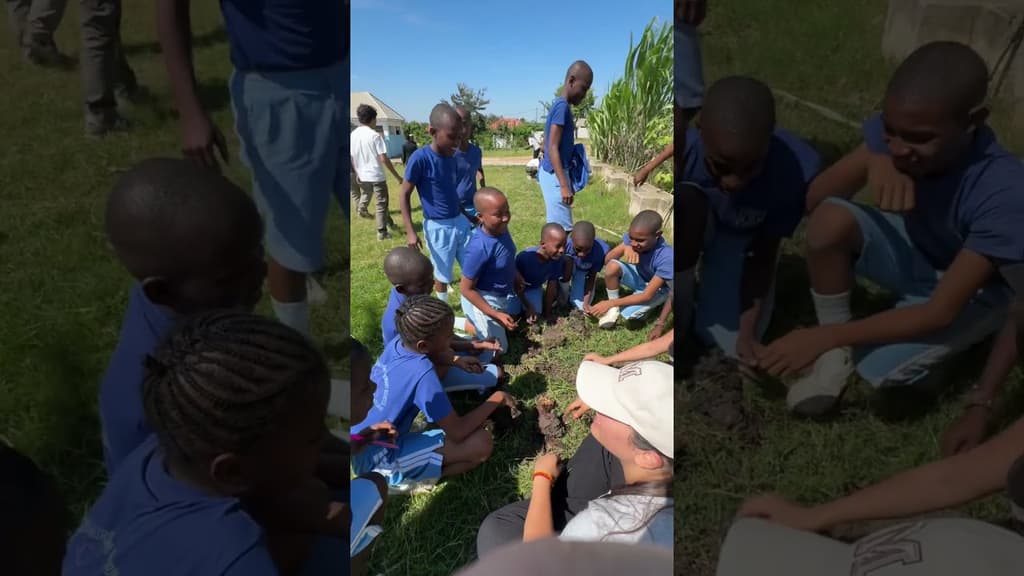
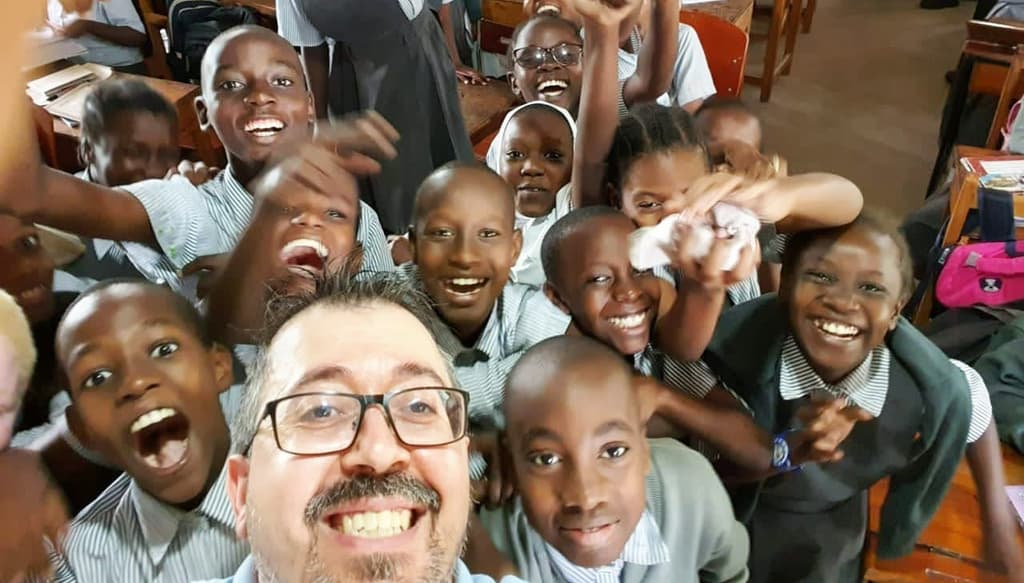
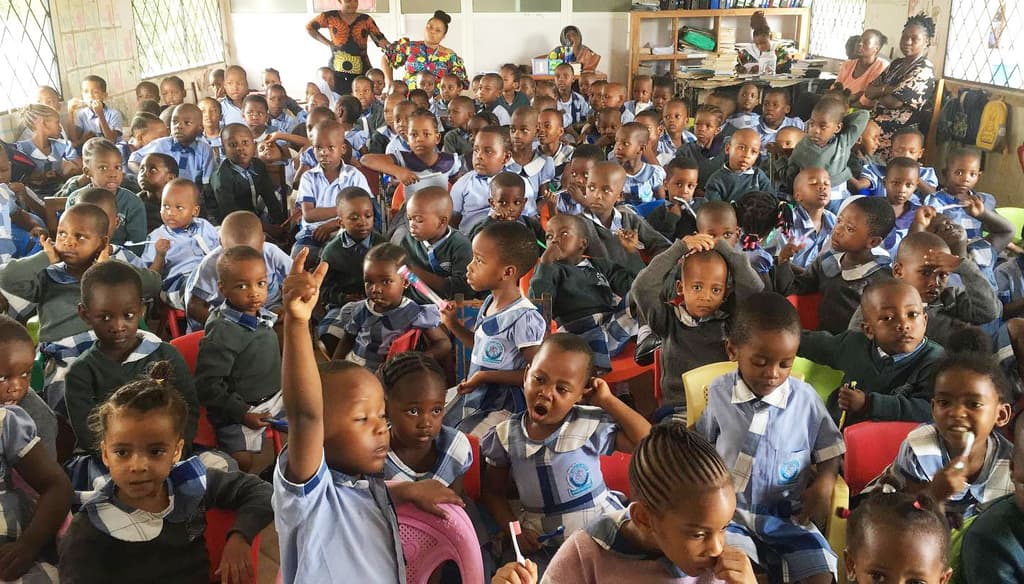
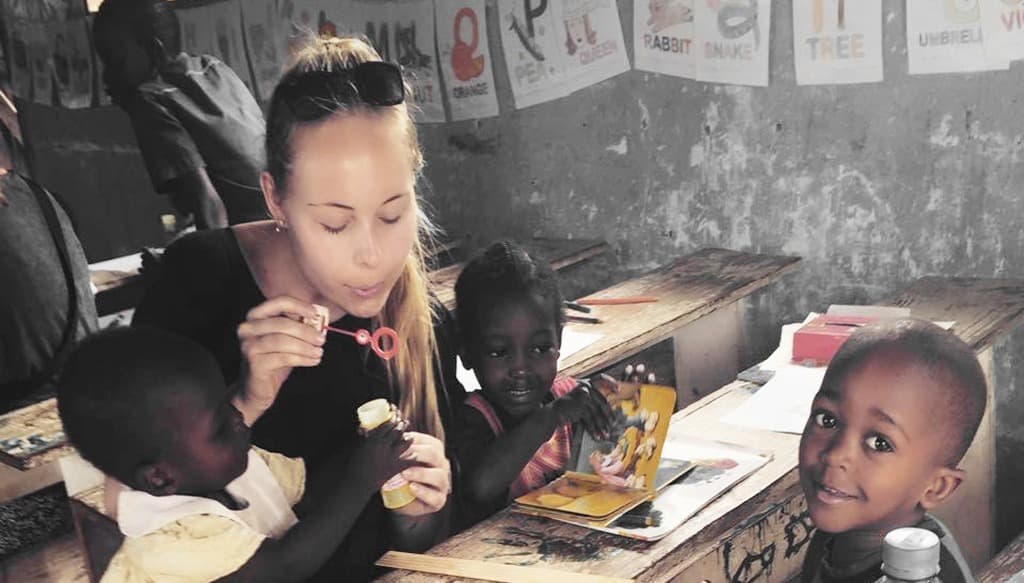
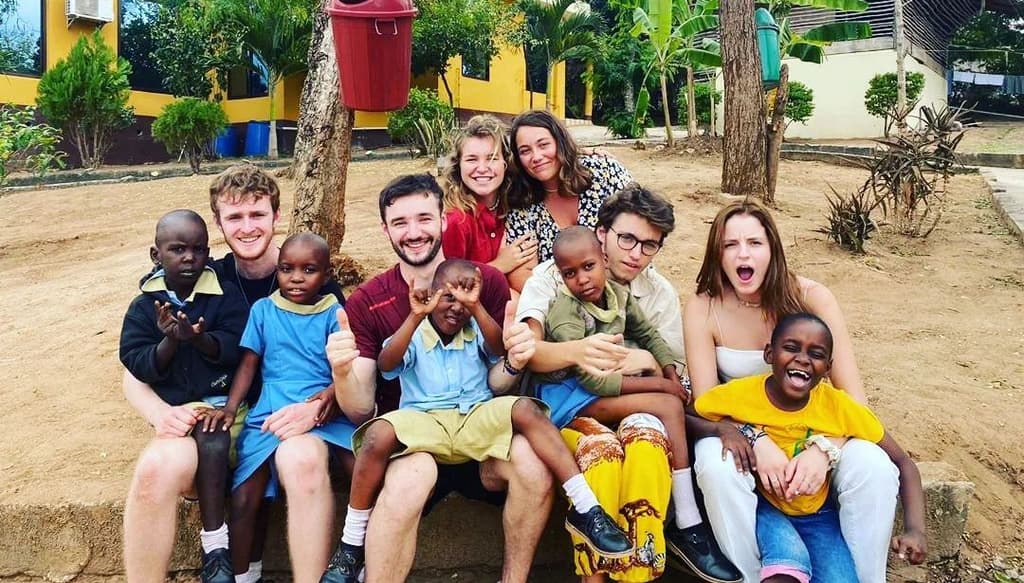
🎓 Educational Systems & Cultural Comparison: Explore how educational systems differ across cultures — what is taught, how it is taught, and what values and assumptions are embedded in different pedagogical traditions. Work in Tanzanian schools to observe, engage, and contribute to cross-cultural educational dialogue.
📺 Western Representation & Cultural Impact Examine how African culture is depicted in Western societies — through media, development narratives, and cultural institutions — and how those representations affect how Tanzanian communities see themselves and their future. Explore how Western cultural influence is shaping present and future African society, and what that means for community identity and development.
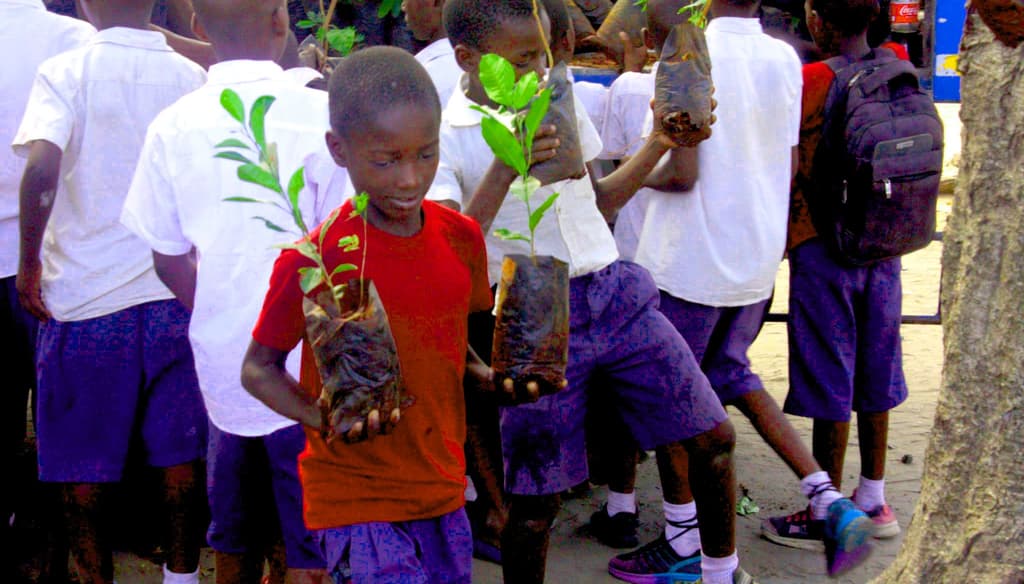
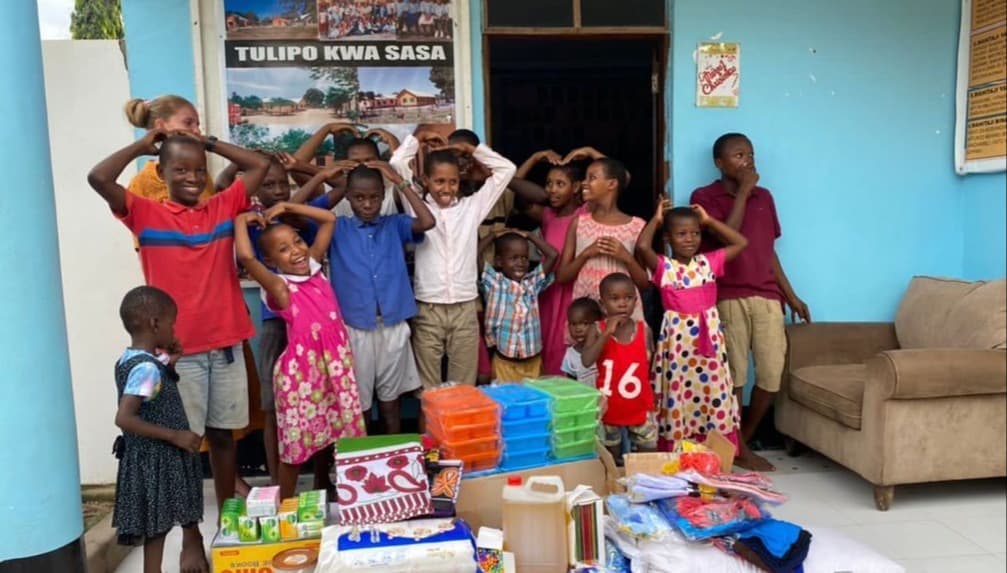
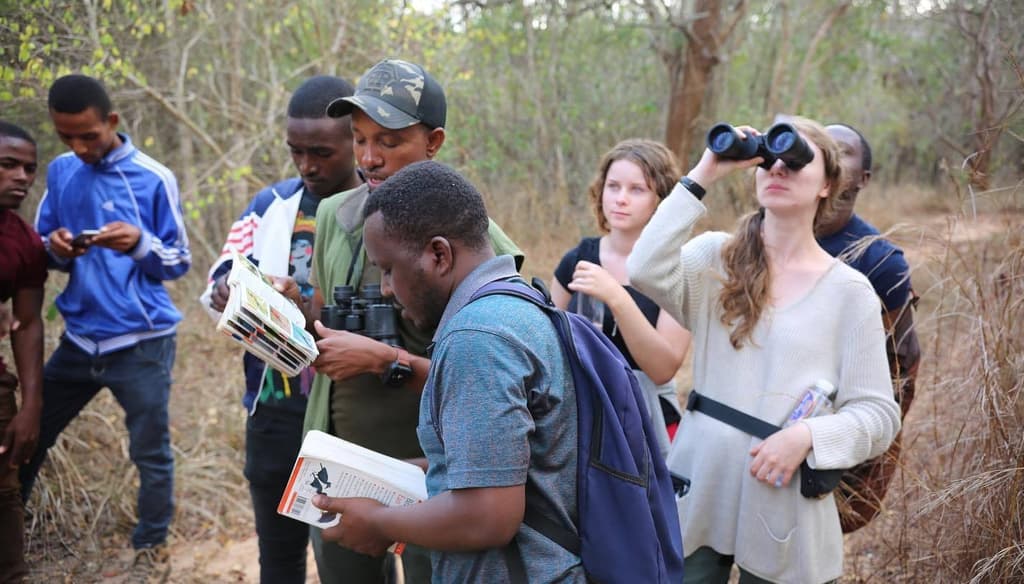
🤝 Community Development Fieldwork Contribute to practical development work across a range of community settings — schools, companies, women's development groups, and environmental initiatives — applying anthropological insight to improve how programmes are designed, communicated, and delivered.
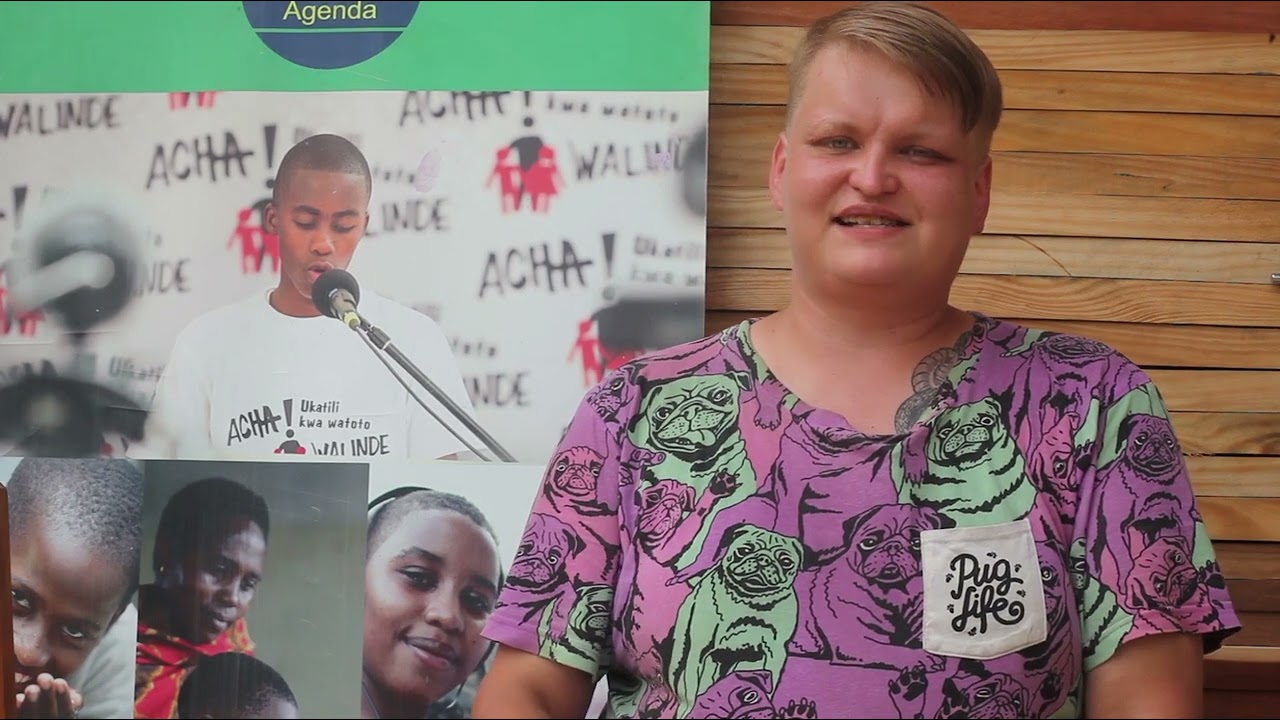
🌱 NGO Partnership & Development Advocacy Work within Art in Tanzania's network of NGO partners — including UNICEF and the UN — contributing to development targets while deepening your understanding of how international development organisations engage with local cultures and communities.
📋 Planning, Reporting & Visibility Contribute to programme documentation, reporting, and social media visibility — ensuring the cultural dimensions of Art in Tanzania's work are captured and communicated effectively to wider audiences.
Why Tanzania
Tanzania is an exceptionally rich anthropological field site. It is home to over 120 ethnic groups, each with distinct languages, traditions, and histories. It sits at the intersection of Arab, Indian, African, and European cultural influences. It is navigating the tensions among tradition and modernity, local identity and global connectivity, and what development promises and what communities actually need.
For anthropology students, this is not just context — it is the material. And living within it, rather than reading about it, transforms how you understand both Tanzania and your own culture.
Structure & Supervision
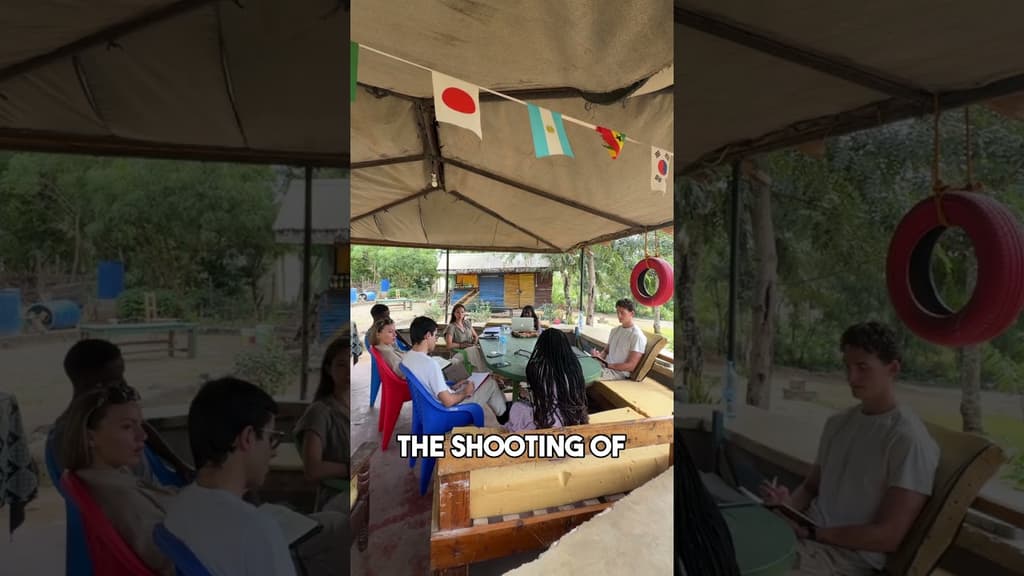
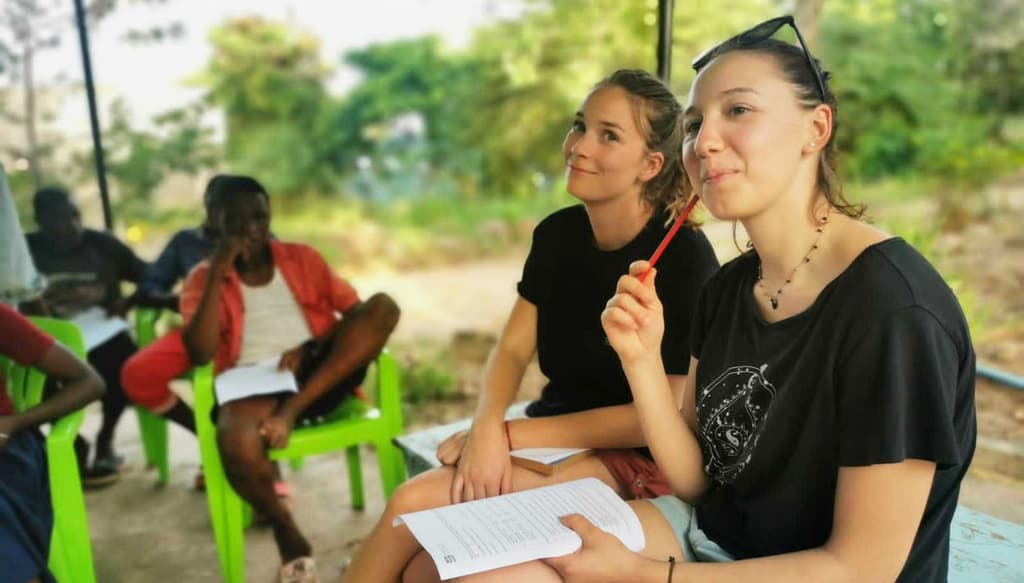
Your placement is supervised daily by academic-level team leaders, and a weekly planning and reporting system keeps your work structured and aligned with your academic requirements. Your programme is fully tailored to your discipline, research focus, and personal interests.
How It Works
Hours: 6–8 hours per day, Monday to Friday. Start date: Flexible — the programme runs continuously year-round. Duration: Adjustable to your academic schedule and research goals. Group size: 15–40 international students at any time, drawn from 1,000+ partner universities worldwide
Anthropology, sociology, cultural studies, international development, education, social work, history, linguistics, and related disciplines are all well-suited to this programme. Research and thesis work can be incorporated into the placement.
Life in Tanzania
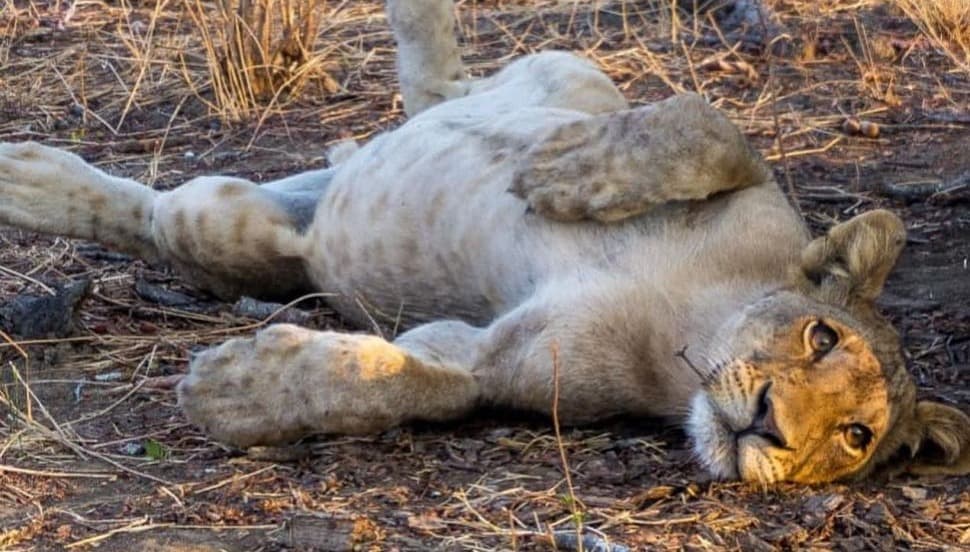
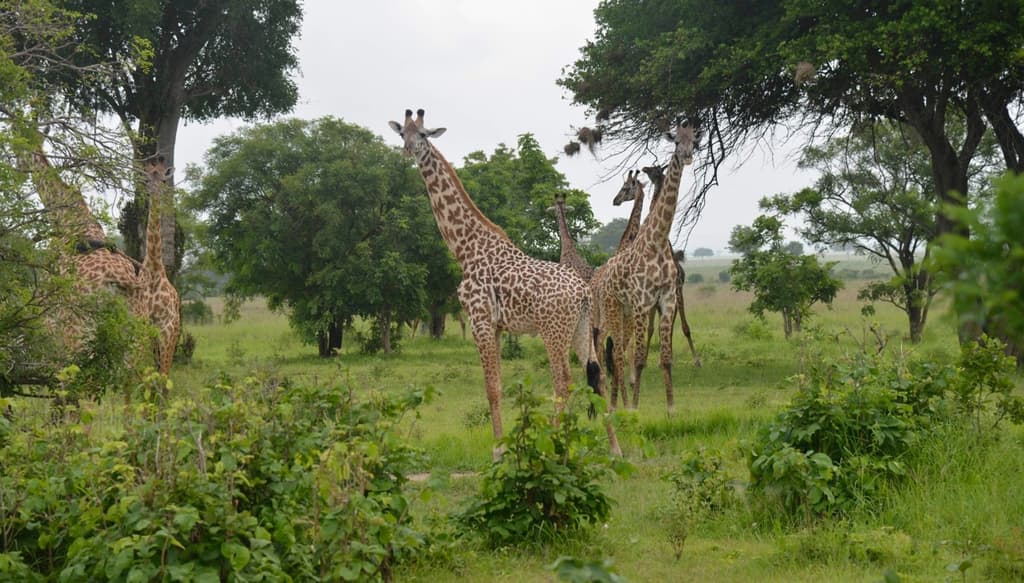
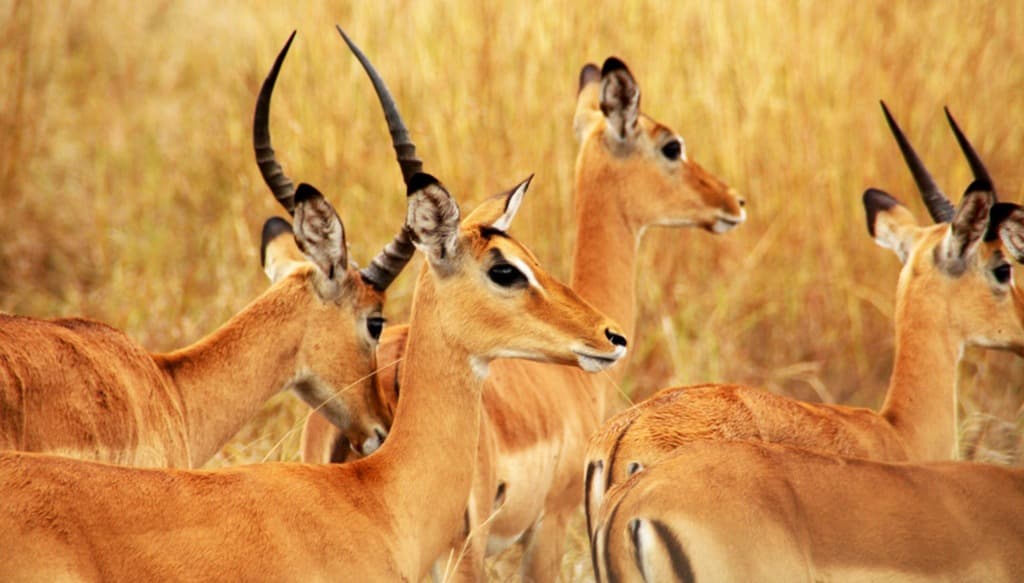
In a very real sense, life in Tanzania is the programme. The culture, the community, the daily rhythms of village and city life — all of it is both context and content for an anthropologist. Extraordinary wildlife, stunning landscapes, and vibrant local culture round out an experience that is simultaneously professionally formative and personally unforgettable.
Affordable, sustainable safaris and tours are available for you and visiting friends or family.
Funding
Erasmus+ funding may be available for this placement. Speak with your student office about grant options that could fully or partially fund this experience.
Ready to Apply?
📋 Apply now 🌐 Visit our website 🏡 See the compound ✈️ Pre-travel info 🎓 EVOLVET volunteer development programme 💬 Read testimonials 🎁 Benefits & perks
Get in Touch
Tell us about your research focus and what you want to explore — we'll shape a placement around it.
📧 < E-Mail aus Sicherheitsgründen gelöscht > 📱 WhatsApp: +255 767 777 73 🎥 Schedule a Zoom call — reach out by email