African Community Life & Culture Programme in Tanzania — Art in Tanzania
What is it? The African Community Life & Culture Programme is Art in Tanzania's most flexible, multi-placement experience — introducing you to the full breadth of AIT's community work and letting you move across several placement areas at once, from schools and family support to music, arts, and local governance. It is run by Art in Tanzania (AIT), a community-development NGO founded in 1996.
Where? Living and working within Tanzanian communities around Dar es Salaam.
How long? Flexible year-round, with duration adjustable to your academic schedule and goals.
Working hours? 6–8 hours per day, Monday to Friday.
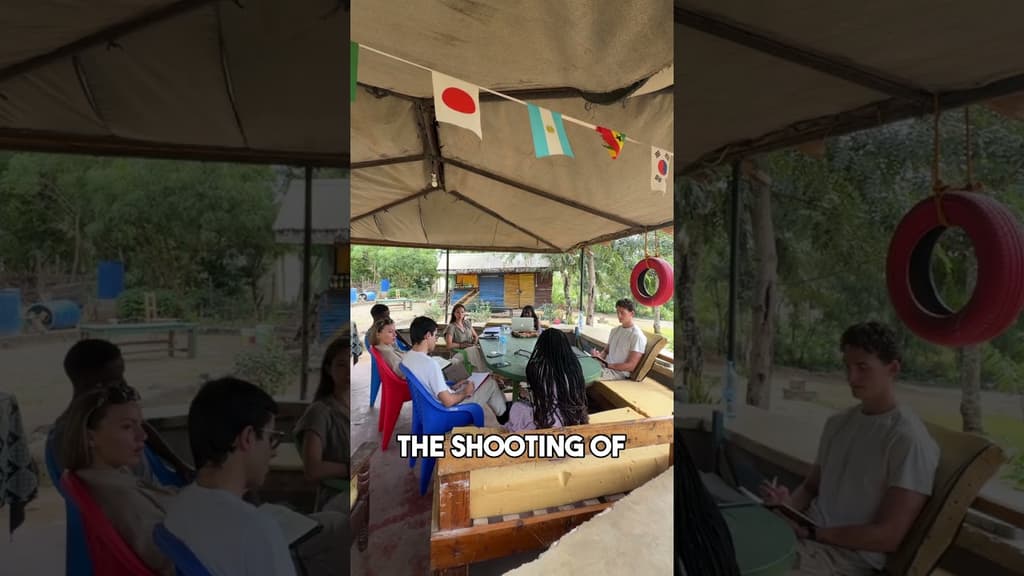
Who joins? Students from any discipline, especially those wanting broad, cross-disciplinary exposure. AIT typically hosts 20–35 students at a time, drawn from over 1,000 partner universities worldwide.
What does the programme involve?
The programme introduces you to the full spectrum of AIT's community work. Depending on your background, interests, and university requirements, your placement may include:
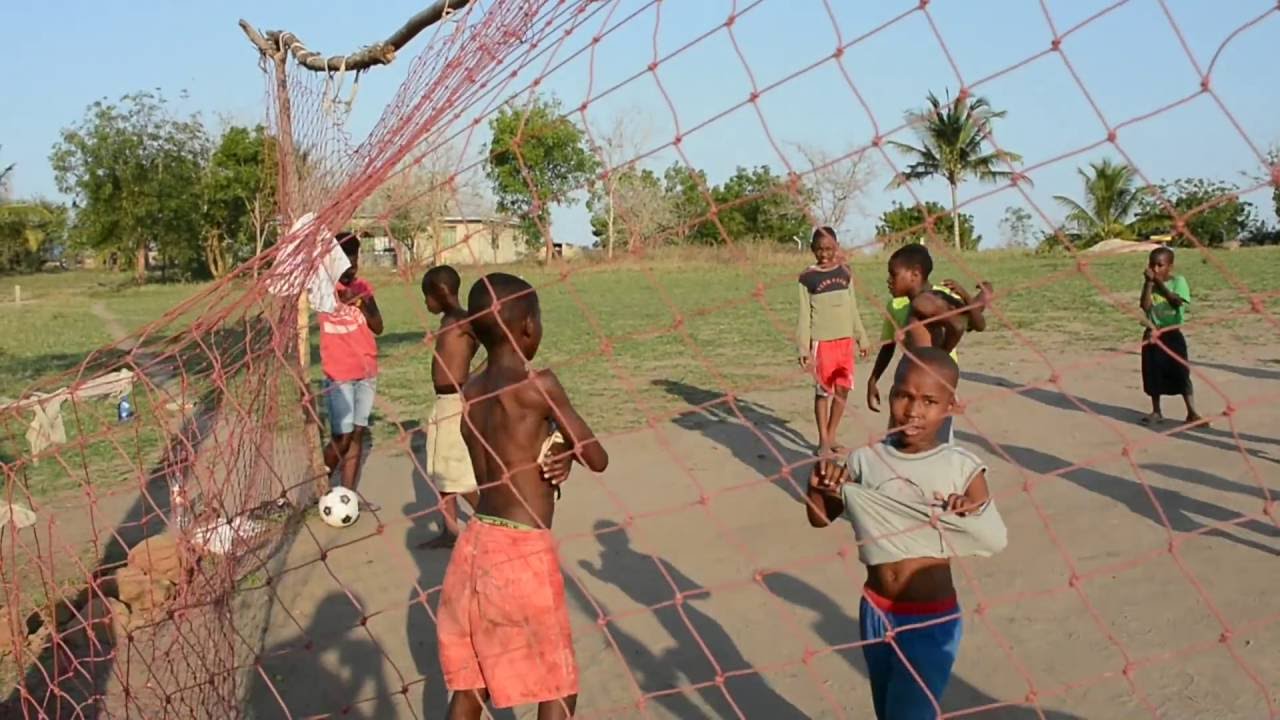
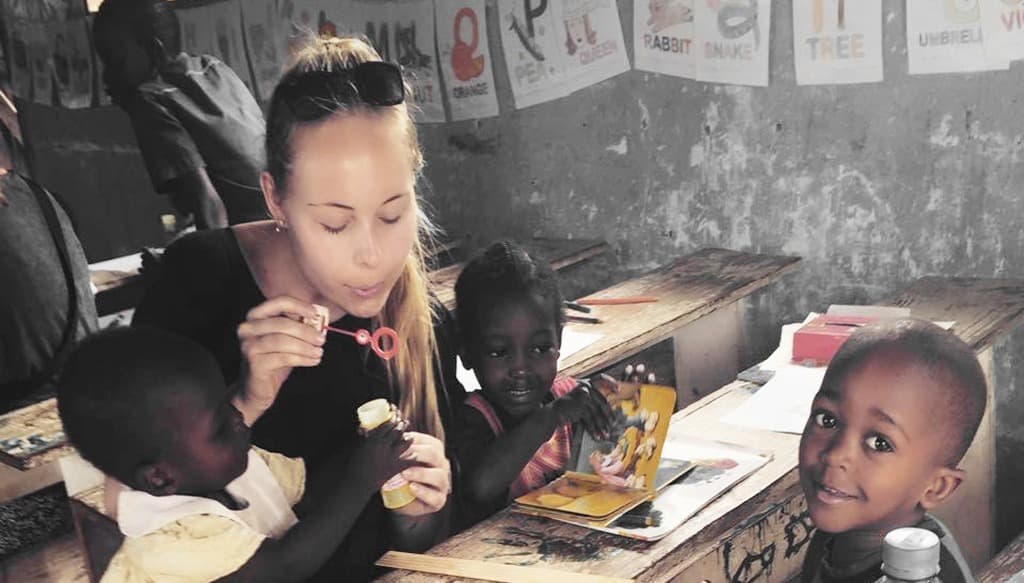
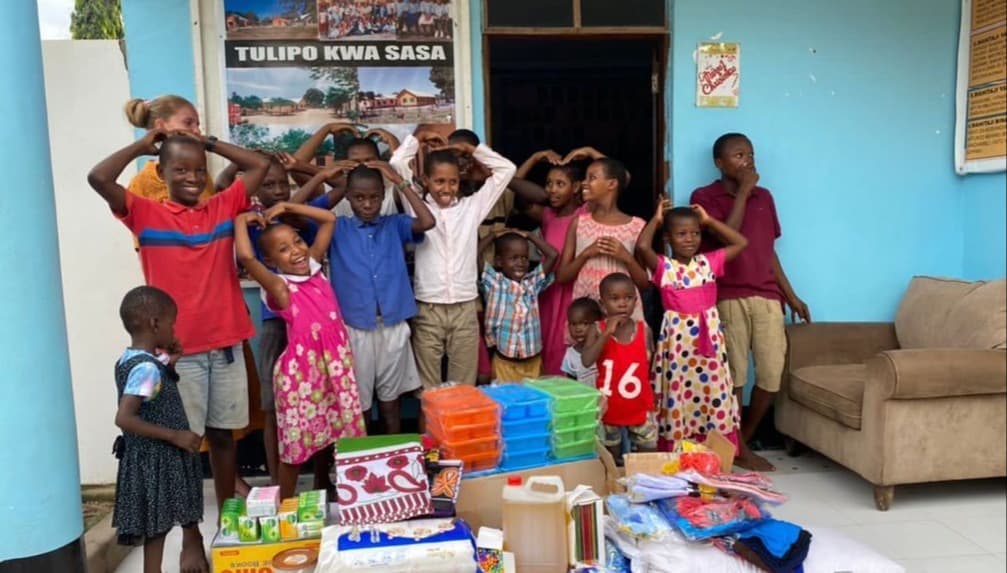
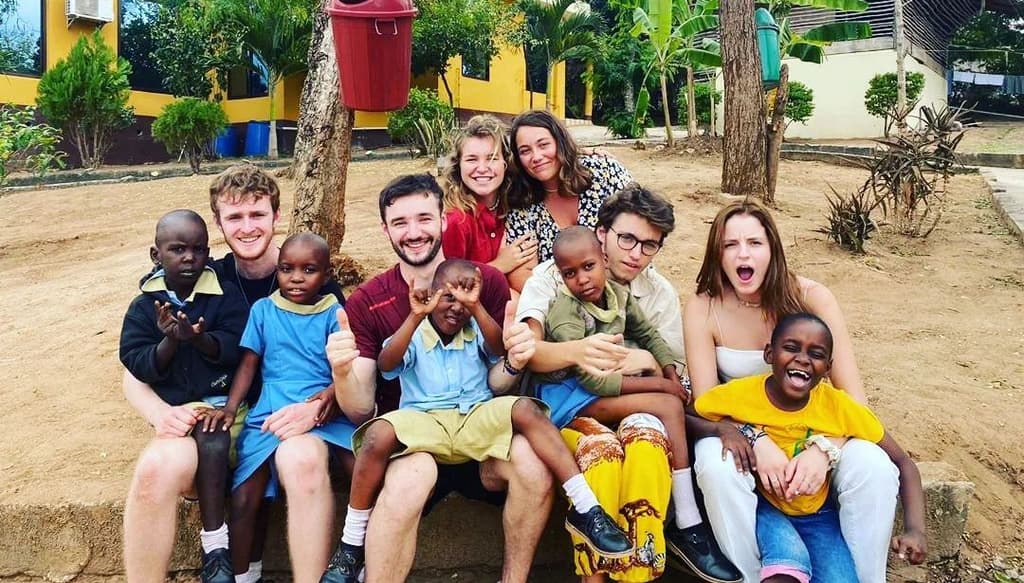
- Orphanages and family support — working directly with children and families, providing care, support, and human connection where these are in short supply.
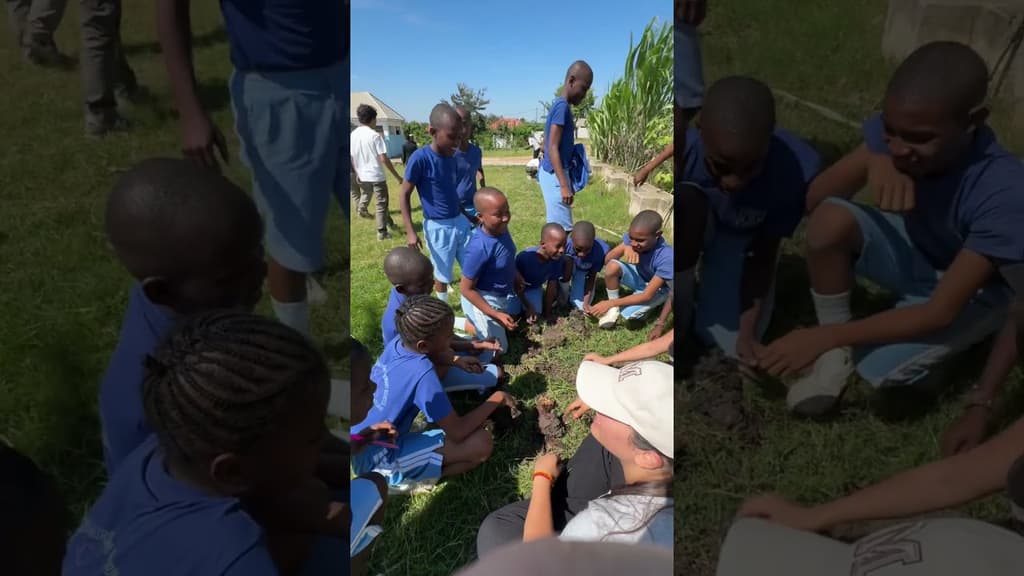
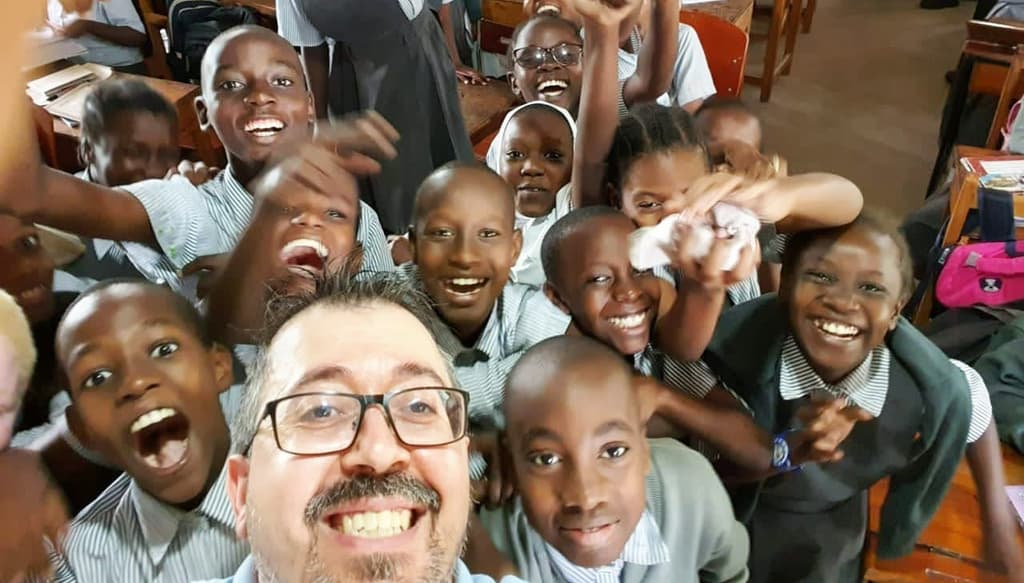
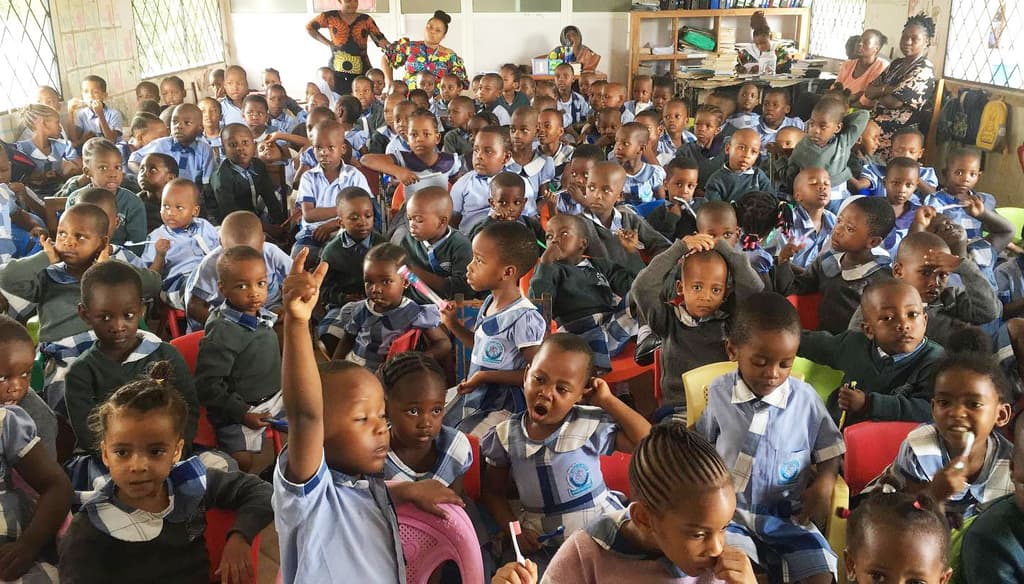
- Nurseries, primary, and secondary schools — participating in educational activities across age groups, supporting teachers and engaging with students in village schools.
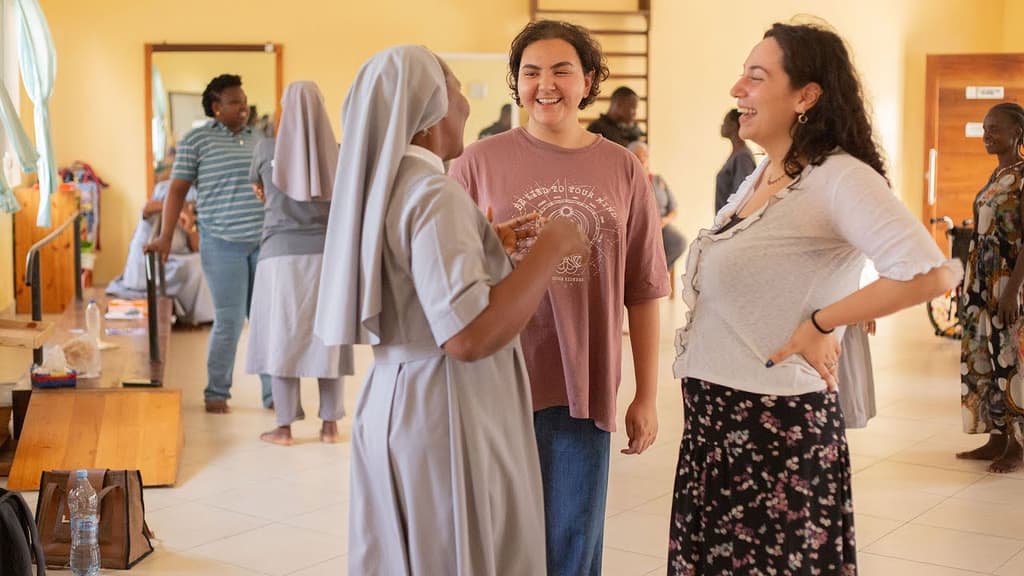
- African music, arts, and culture — attending and participating in local music events, cultural gatherings, and community arts, gaining a lived understanding of Tanzanian culture.
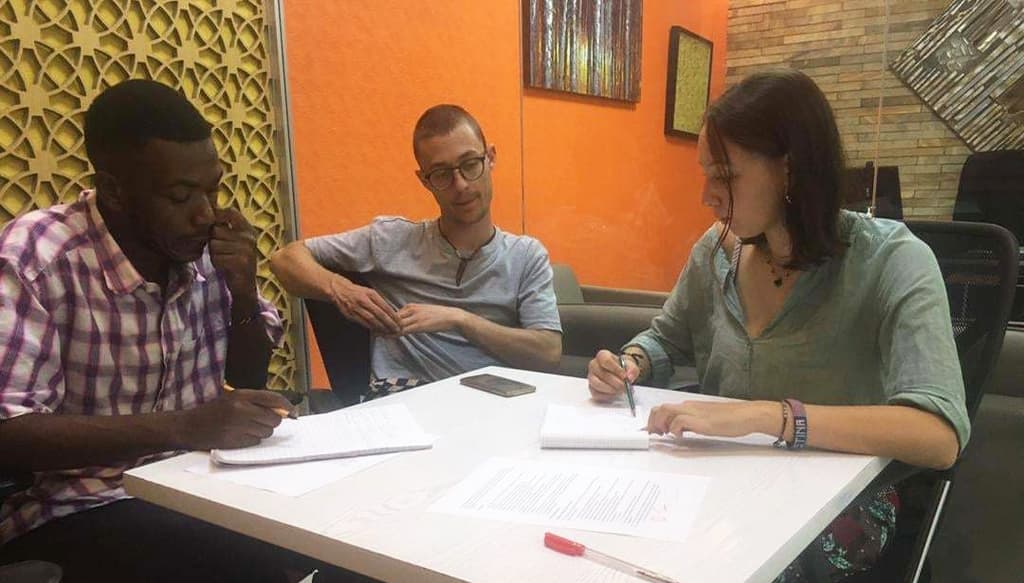
- Studying how local government structures operate— local government and community governance — is valuable for students in politics, public administration, and international development.
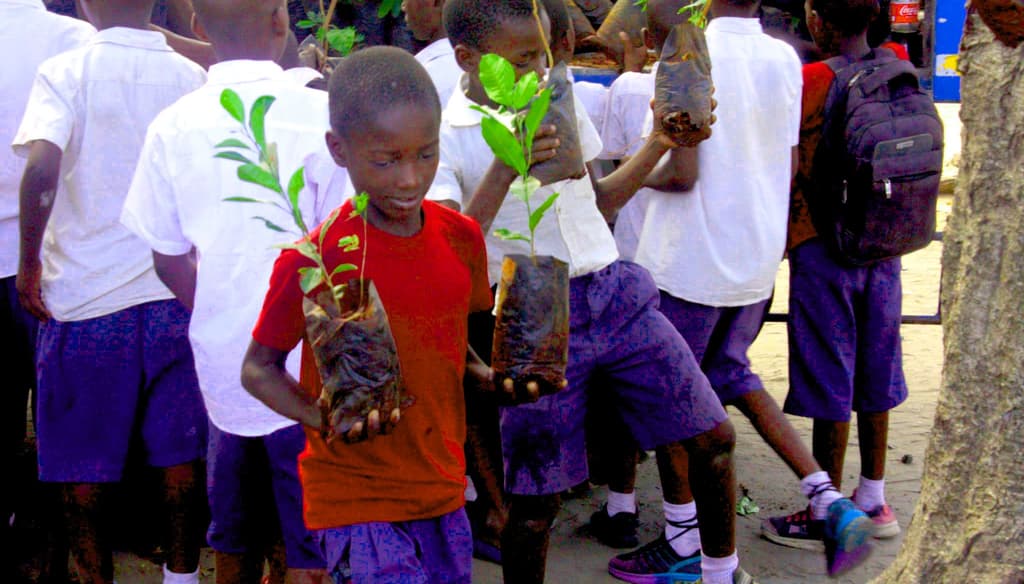
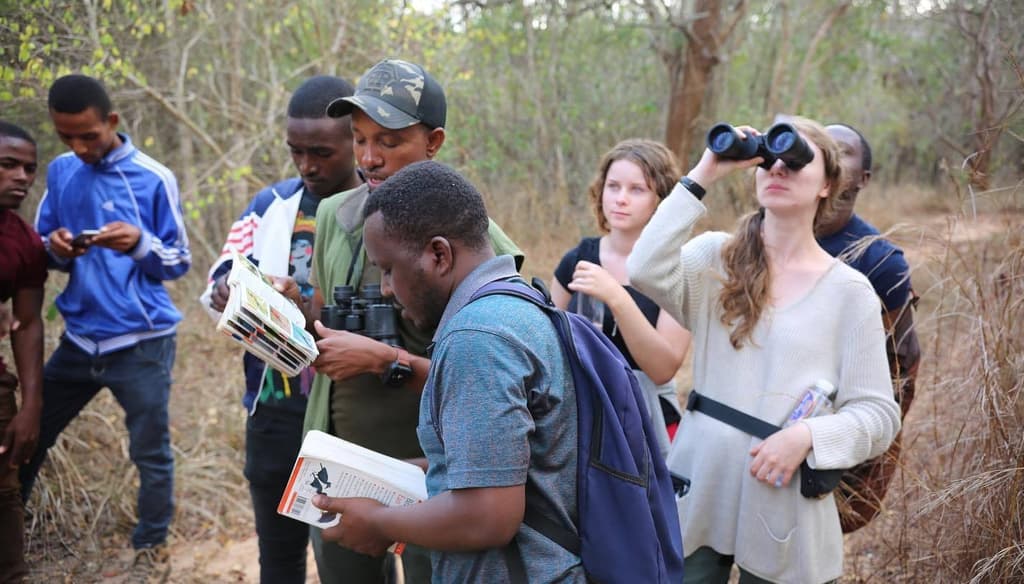
- Cross-programme exposure — contributing, subject to availability and fit, to other AIT programmes from education and health advocacy to digital marketing, women's development, or environmental work.
How does the placement work?
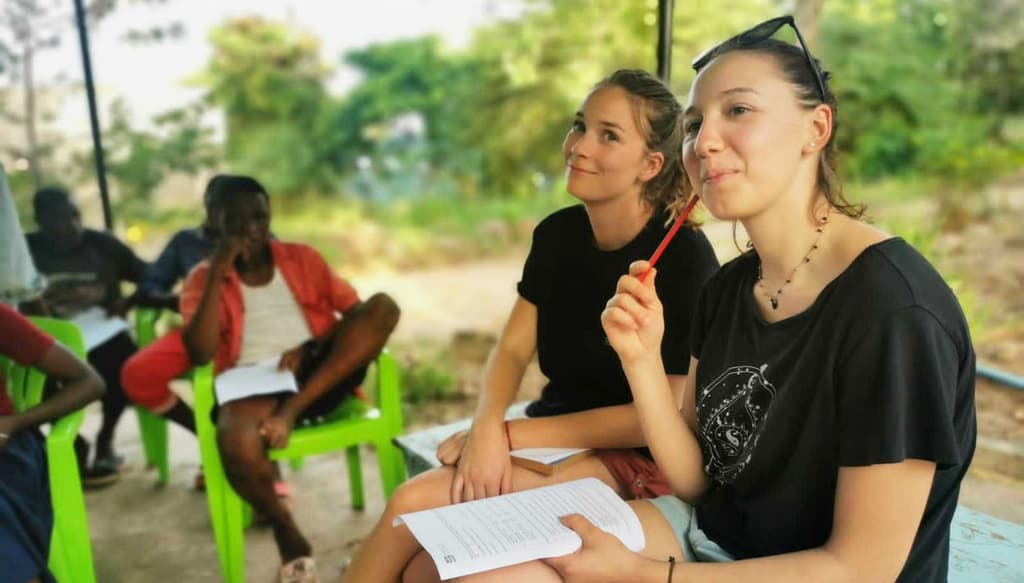
The programme is genuinely personalised. Before your placement, AIT reviews your academic background, professional experience, preferences, and any specific university requirements. From there, it builds a written weekly plan — digital, structured, and updated every Monday — mapping your activities for the week. At the end of each week, you submit a written report, and that reflection feeds directly into the next week's planning, creating a continuous loop of structured experience and intentional learning. Supervisors are present every day, and several live at the compound, so support and community are always available.
Who is the programme for?
This placement suits students at an exploratory stage of their career, those fulfilling a general international internship requirement, students between specialisations who want broader exposure, or anyone looking for genuine cultural and professional immersion. All academic disciplines and professional backgrounds are welcome, and the multi-placement nature means there is always a meaningful role.
Who runs the programme, and since when?
Art in Tanzania (AIT) has conducted community-based development work in Tanzania since 1996, welcoming approximately 250 participants each year from over 1,000 partner universities. The Community Life & Culture Programme is its most flexible and exploratory placement, designed for depth of experience across multiple areas rather than a single track.
What is life in Tanzania like during the placement?
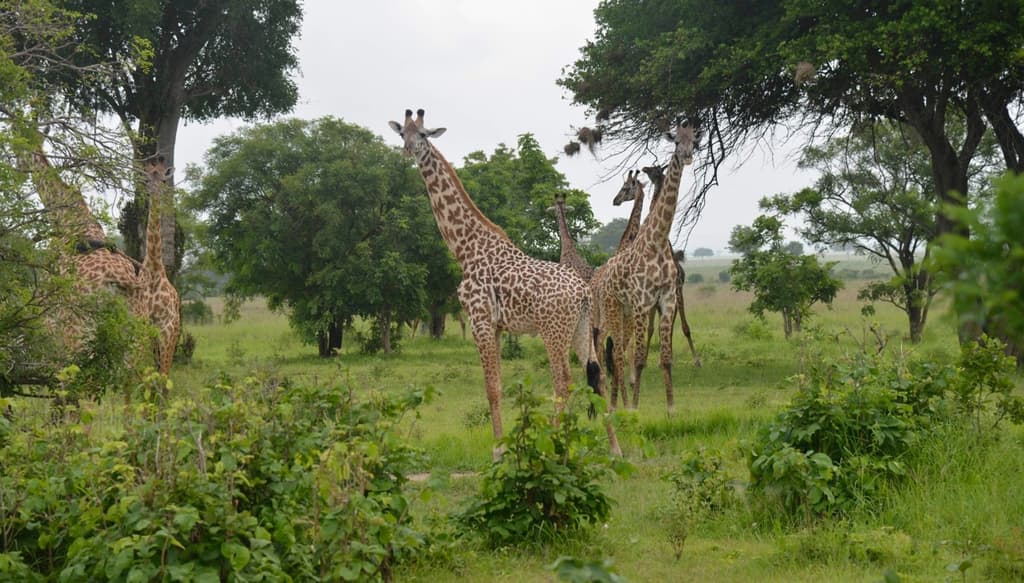
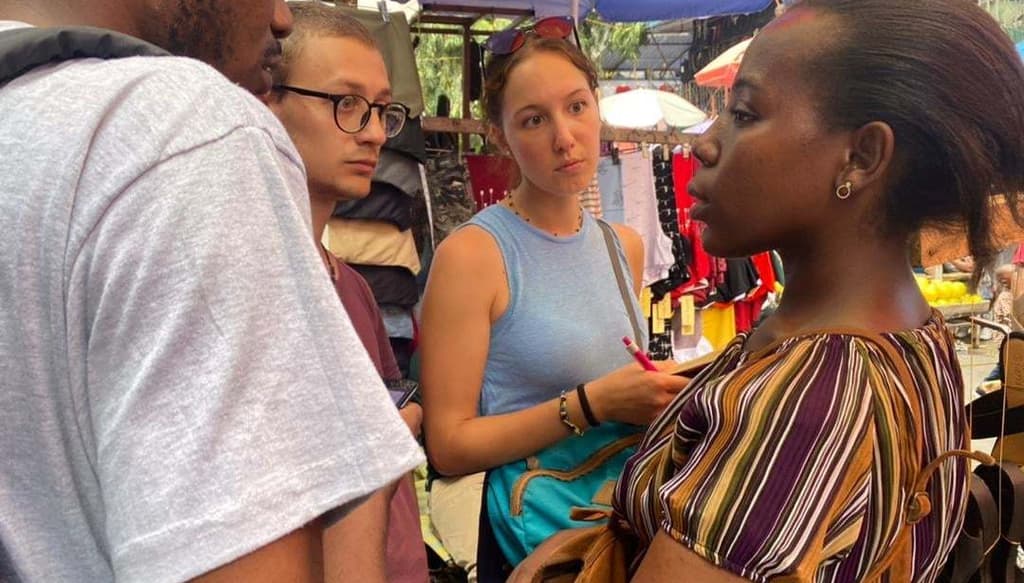
Immersion is the point of this programme, and Tanzania delivers it fully — daily life at the compound, evenings in the community, and weekends exploring the country. Affordable, sustainable safaris and tours are available for you and visiting friends or family.
Can I get funding?
Yes. Erasmus+ funding may be available for this placement. Speak with your student or international office about grant options that could fully or partially fund the experience.
Frequently asked questions
What does the Community Life & Culture Programme involve?
A multi-placement experience across orphanages and family support, schools, African music and arts, local governance, and cross-programme exposure to other AIT areas.
Is this programme good if I'm unsure which area to specialise in?
Yes. It is designed for students at an exploratory stage or between specialisations who want broad, cross-disciplinary exposure rather than a single focused track.
Who can join the programme?
Students from all academic disciplines and professional backgrounds. AIT hosts 20–35 students at a time from over 1,000 partner universities worldwide.
What are the working hours?
6–8 hours per day, Monday to Friday, with weekly digital work plans and written progress reports.
When can I start?
The programme runs flexibly year-round, with start dates shaped around your schedule.
Is funding available?
Yes — Erasmus+ funding may fully or partially cover your placement. Ask your student office about grant options.
Ready to apply?
📋 Apply now · 🌐 Browse all programmes · 🏡 See the compound · ✈️ Pre-travel info · 🎓 EVOLVET volunteer development programme · 💬 Read testimonials · 🎁 Benefits & perks
Get in touch
Tell us about your background and what you hope to take from this experience — we'll design a placement around it.
📧 < E-Mail aus Sicherheitsgründen gelöscht > · 📱 WhatsApp: +255 767 777 73 · 🎥 Schedule a Zoom call