Human Rights Programme in Tanzania — Art in Tanzania
What is it? The Human Rights Programme places international students and volunteers inside real, on-the-ground rights work in Tanzania — alongside Tanzanian lawyers, NGO practitioners, and advocates. It centres on gender equality and women's rights, and child protection and children's rights, with room to specialise. It is run by Art in Tanzania (AIT), a community-development NGO founded in 1996.
Where? Communities, schools, and partner organisations around Dar es Salaam, Tanzania.
How long? Flexible — the programme runs continuously year-round, with duration adjustable to your academic schedule and goals.
Working hours? 6–8 hours per day, Monday to Friday.
Who joins? AIT typically hosts 15–40 international students at a time, drawn from over 1000 partner universities worldwide.
What does the Human Rights Programme focus on?
The programme centres on two primary pillars, with room to develop a specialised focus based on your academic background or research interests:
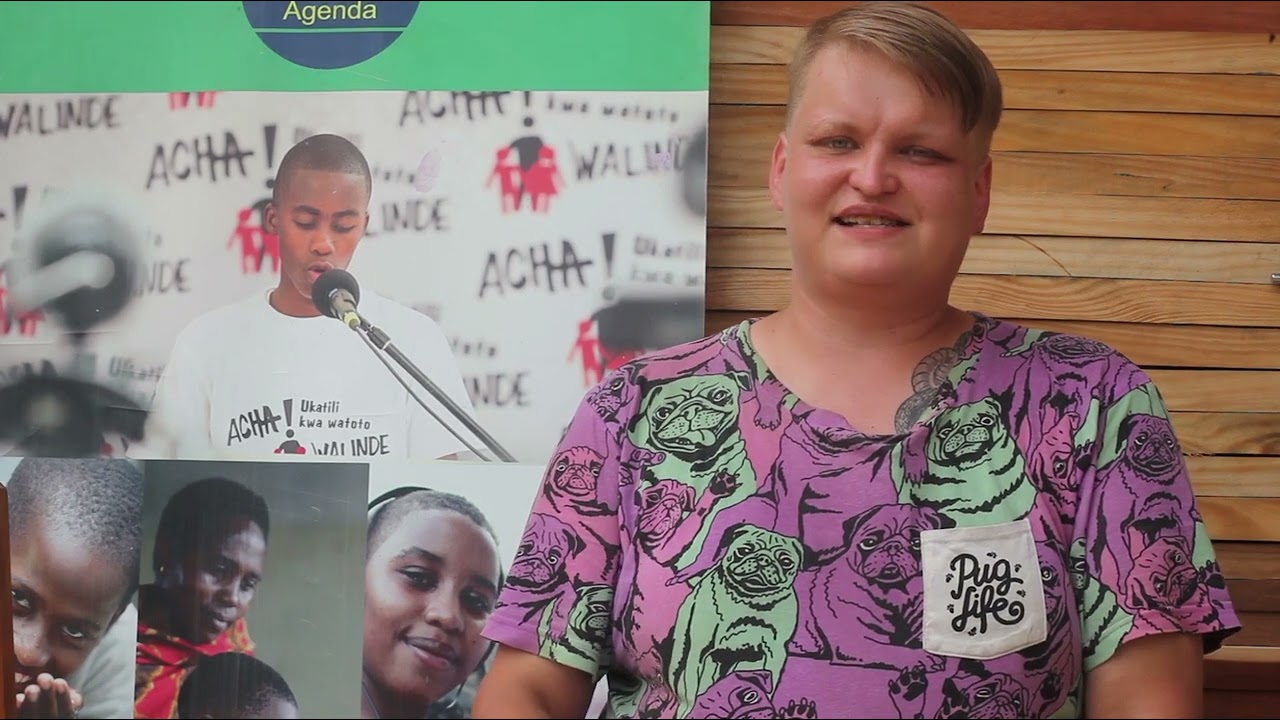
- Gender equality and women's rights — working alongside Tanzanian lawyers and advocates to promote women's rights and combat gender-based violence through community education, legal awareness campaigns, survivor support, and policy advocacy.
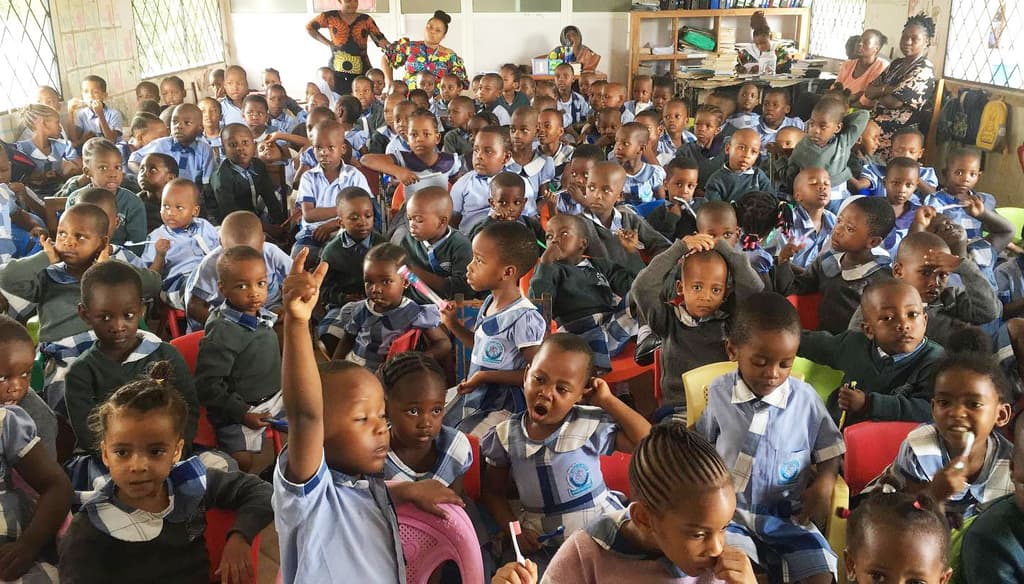
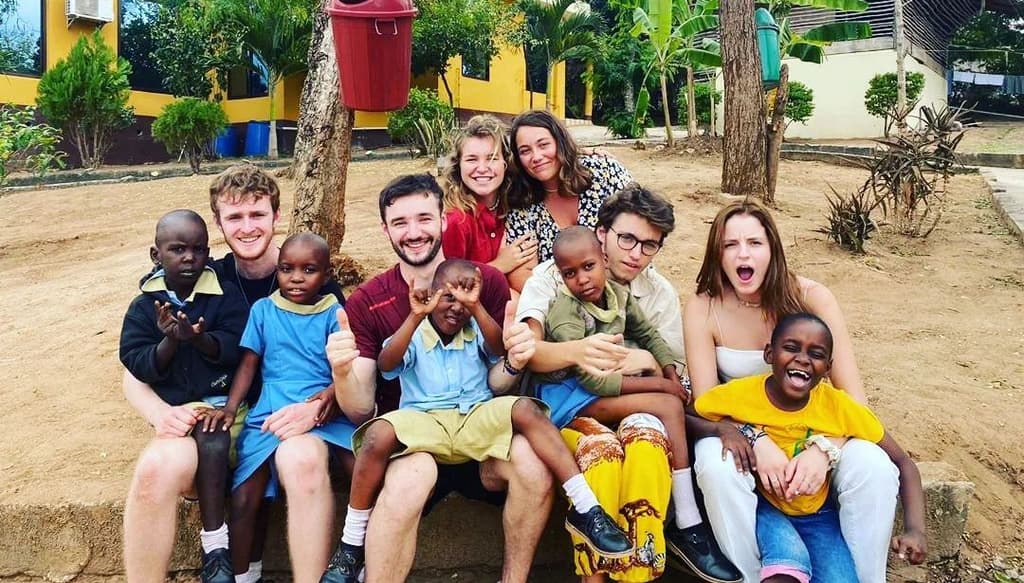
- Child protection and children's rights — collaborating with local Tanzanian NGOs — including partners within a consortium supported by UNICEF, Save the Children, and others — to advance children's rights in education, protection, and welfare. This programme was developed and is chaired by the Tanzanian Ministry of Community Development, Gender, and Children.
Depending on your background and interests, placements may also include sexual and reproductive rights, rights of people with disabilities, legal research and documentation, and thesis or academic research support.
How will I work?
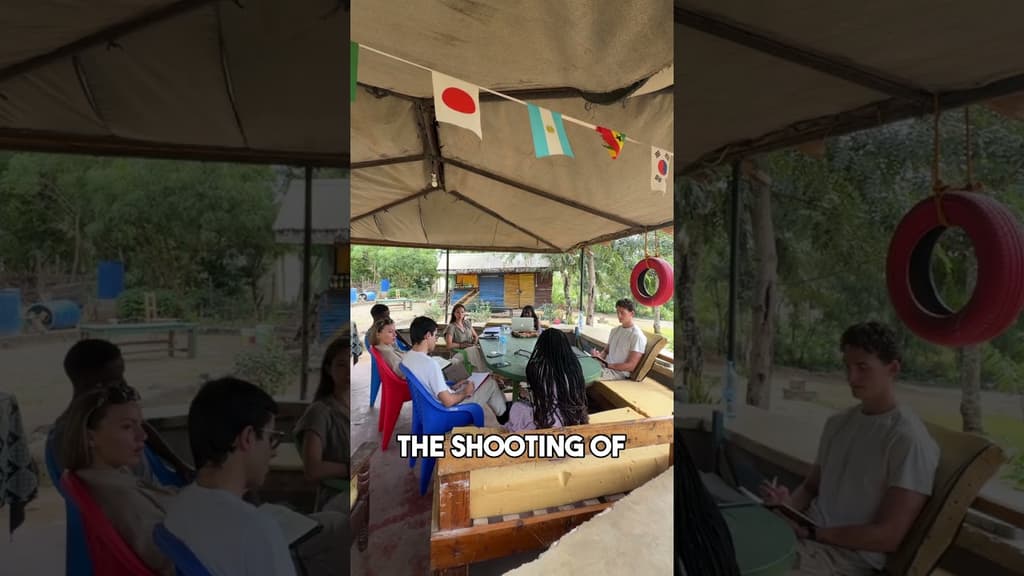
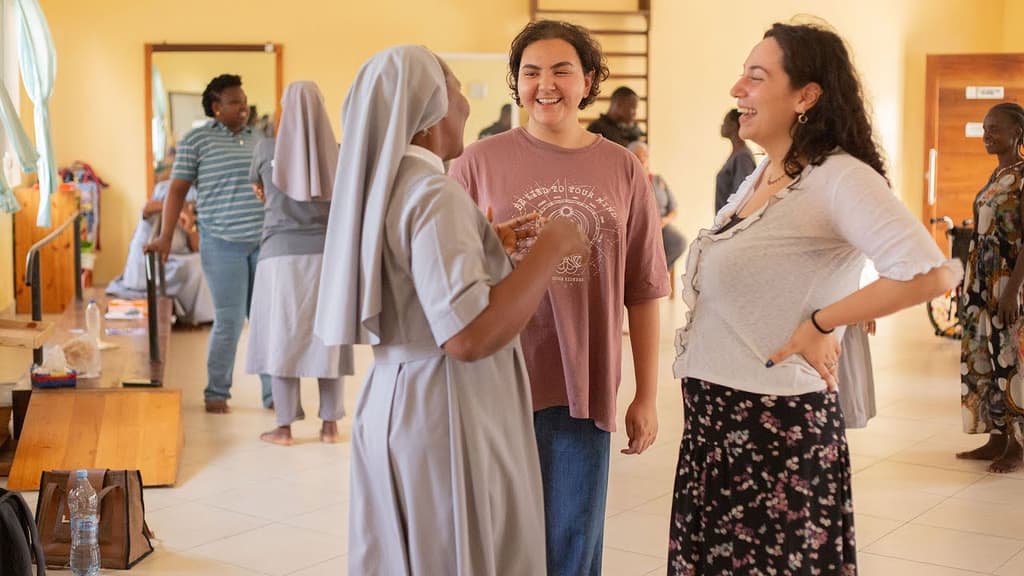
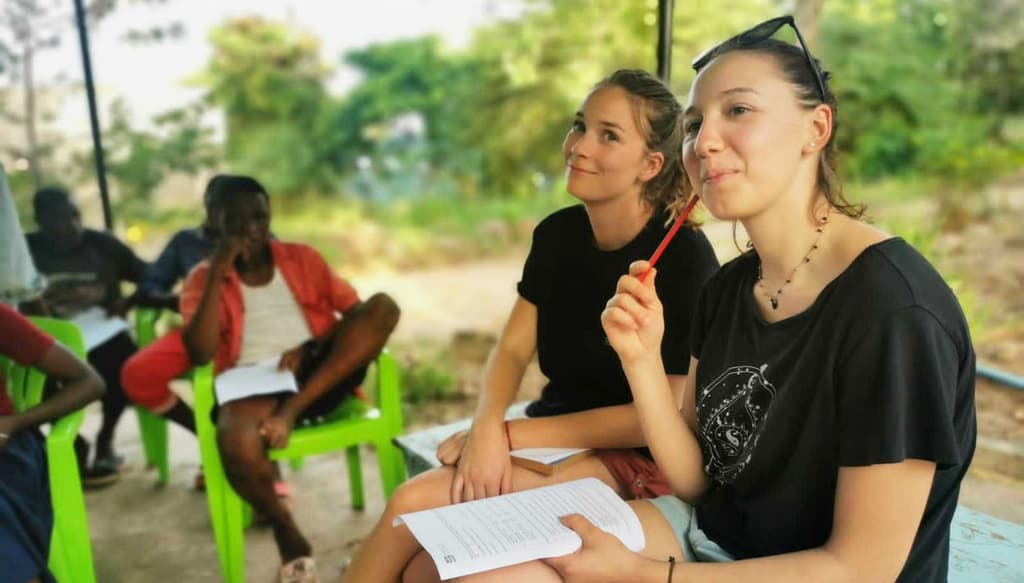
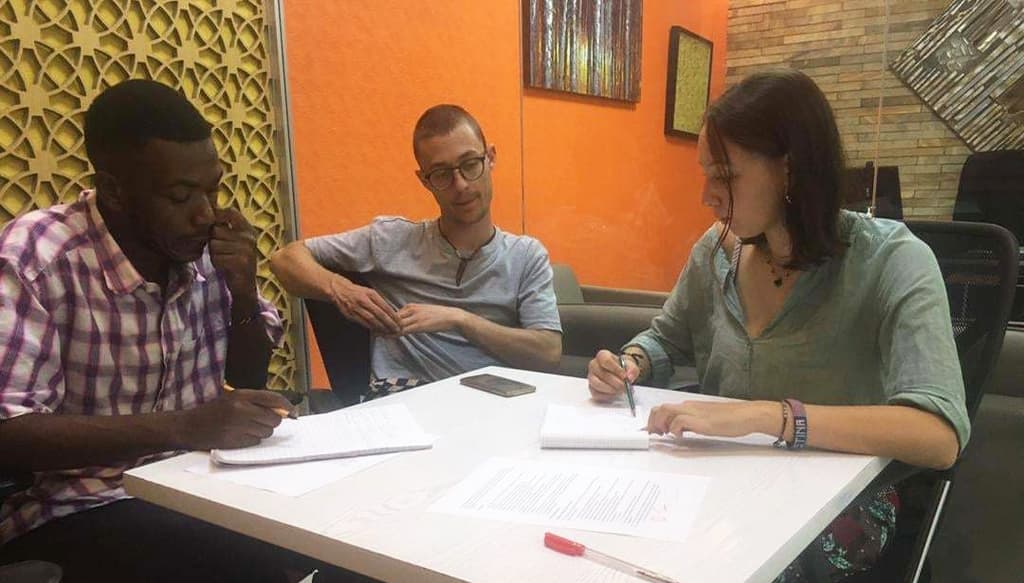
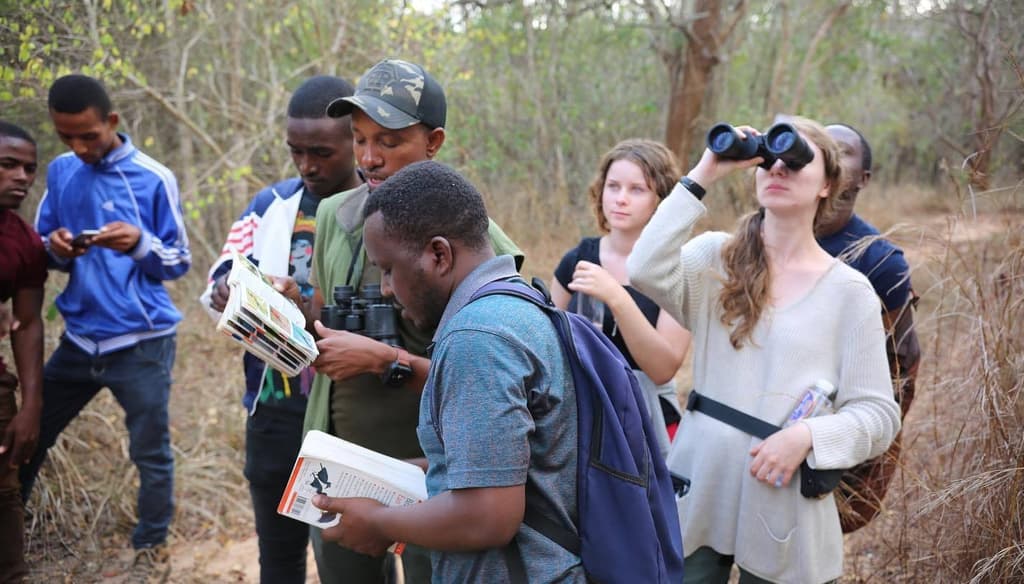
Human rights work demands sensitivity, cultural awareness, and collaboration. You are embedded in a team of Tanzanian citizens — lawyers, advocates, and community members — alongside fellow international interns and volunteers. This is not an observation placement; you are part of the team.
Your day-to-day work includes:
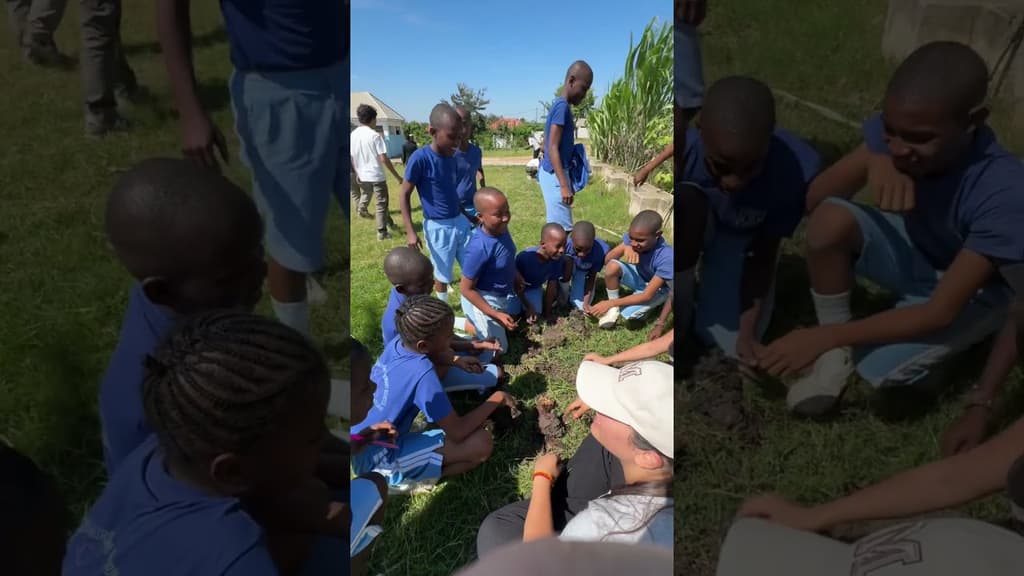
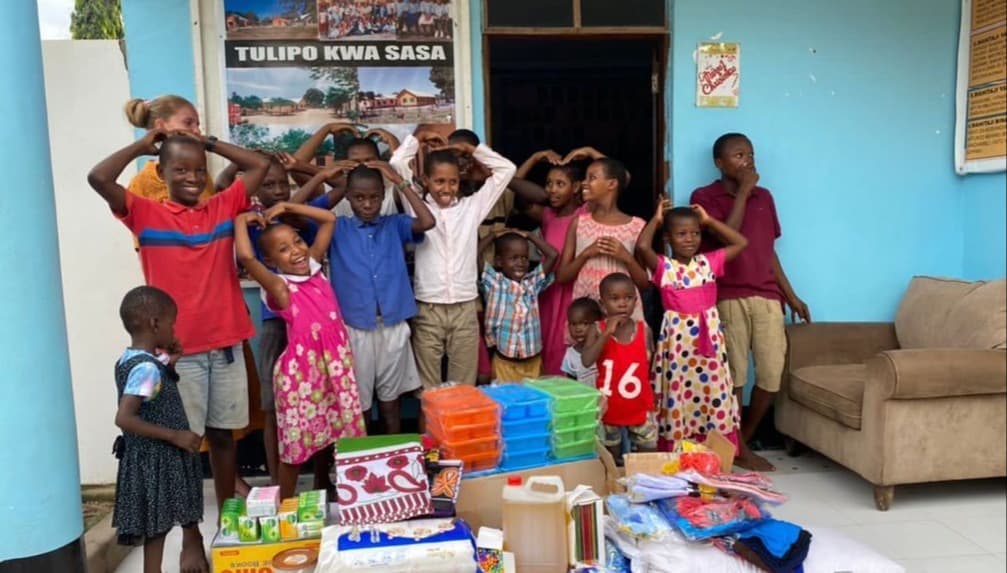
- Advocacy activities in communities and schools
- Attending and contributing to seminars and forums
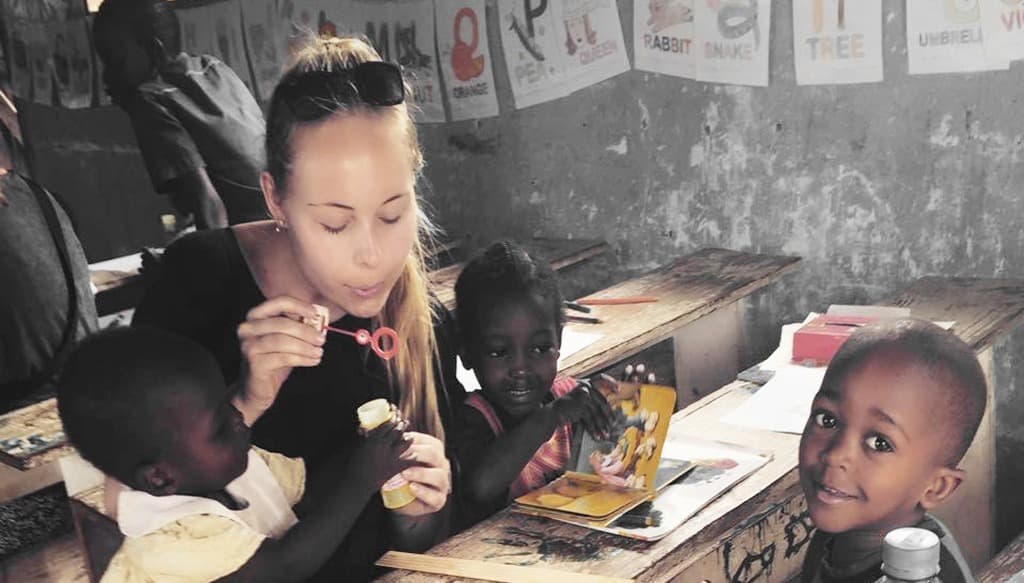
- Teaching and awareness-raising sessions
- Networking with local and international rights organisations
- Planning, reporting, and visibility work
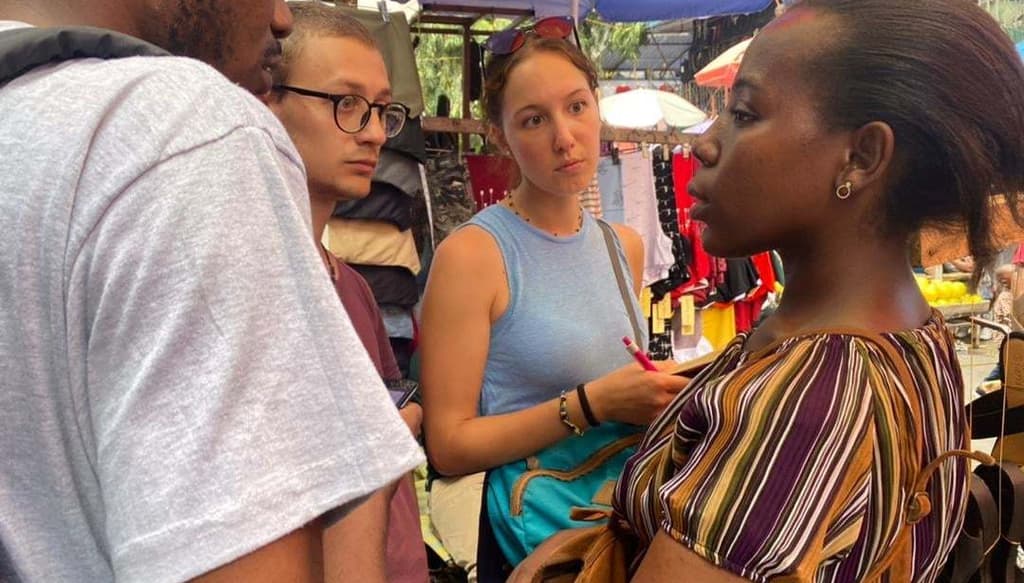
- Field documentation and research
AIT also uses its social media platforms — including a Facebook audience of over 50,000 followers — as active advocacy channels, so your work can amplify far beyond the communities you serve directly.
Can I do a thesis or academic research?
Yes. Students looking to fulfil academic research requirements can develop a thesis or research focus within the programme. Placements can be shaped around your topic and methodology, with support from AIT's in-country team and partner organisations.
How does the placement work?
Your placement is tailored to your academic background, professional experience, and interests. Law, political science, social work, international development, gender studies, public health, and related fields are all well-suited to this programme.
Who runs the programme, and since when?
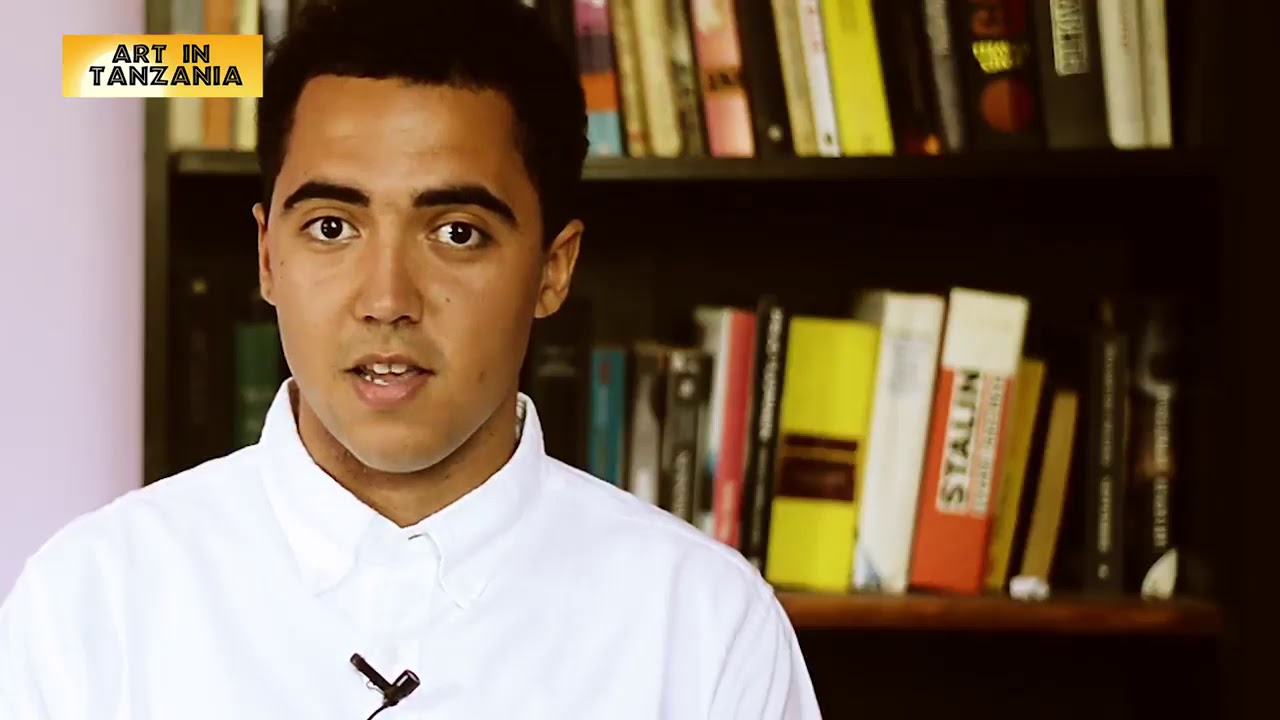
Art in Tanzania (AIT) has placed approximately 250 participants annually in hands-on community programmes across Tanzania since 1996. The Human Rights Programme connects you with a network of Tanzanian legal professionals, NGO practitioners, and rights advocates.
What is life in Tanzania like during the placement?
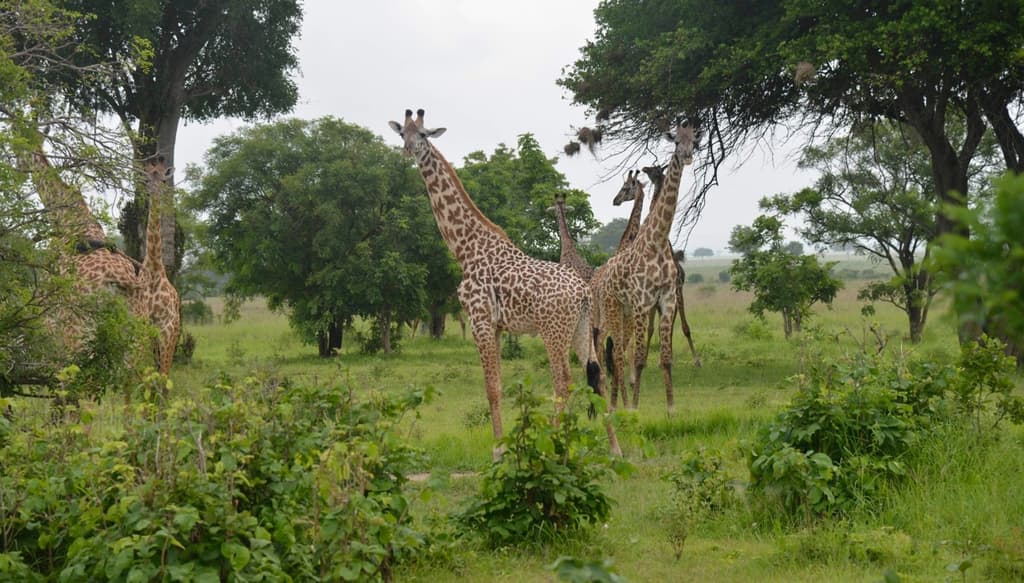
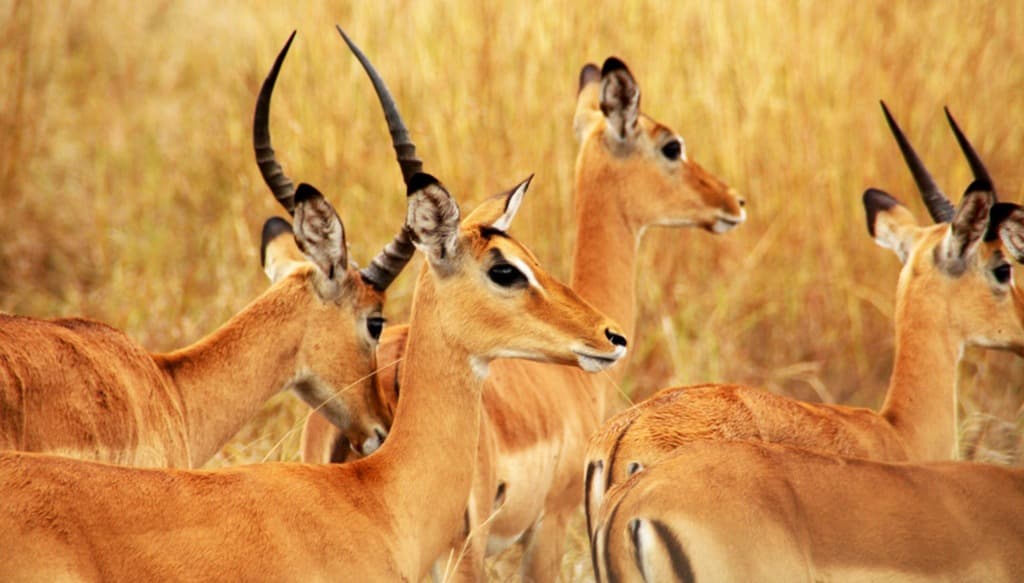
Beyond your placement, Tanzania offers an extraordinary backdrop for personal growth — vibrant culture, ancient traditions, iconic landscapes, and remarkable wildlife. Affordable, sustainable safaris and tours are available for you and any visiting friends or family.
Can I get funding?
Yes. Erasmus+ funding may be available for this placement. Speak to your student or international office about grant options that could cover part or all of your costs.
Frequently asked questions
What does the Human Rights Programme focus on?
Two primary pillars — gender equality and women's rights, and child protection and children's rights — with optional focus areas including sexual and reproductive rights, rights of people with disabilities, and legal research.
Who can join the Human Rights Programme?
Students and professionals from law, political science, social work, international development, gender studies, public health, and related fields. AIT hosts 15–40 participants at a time from over 400 partner universities worldwide.
Can I use this placement for a thesis or research?
Yes. Placements can be shaped around your research topic and methodology, with support from AIT's in-country team and partner organisations.
What are the working hours?
6–8 hours per day, Monday to Friday.
When can I start?
The programme runs continuously year-round, with flexible start dates and adjustable duration.
Is funding available?
Yes — Erasmus+ funding may cover part or all of your placement. Ask your student office about grant options.
Ready to apply?
📋 Apply now · 🌐 Visit our website · 📷 See the compound · ✈️ Pre-travel info · 📖 EVOLVET volunteer development programme · 💬 Read testimonials
Get in touch
Have questions? We'd love to hear from you.
📧 < correo electrónico eliminado por razones de seguridad > · 📱 WhatsApp: +255 767 777 73 · 🎥 Schedule a Zoom meeting