Children's Agenda Programme in Tanzania — Art in Tanzania
What is it? The Children's Agenda Programme places international students and volunteers at the heart of Tanzania's largest coalition-driven child rights initiative — working across education, health, nutrition, sanitation, protection, and disability inclusion. It is run by Art in Tanzania (AIT), a community-development NGO founded in 1996 and an active member of the coalition.
Where? Communities, families, and schools around Dar es Salaam, Tanzania.
How long? Flexible — the programme runs continuously year-round, with duration adjustable to your academic schedule and goals.
Working hours? 6–8 hours per day, Monday to Friday.
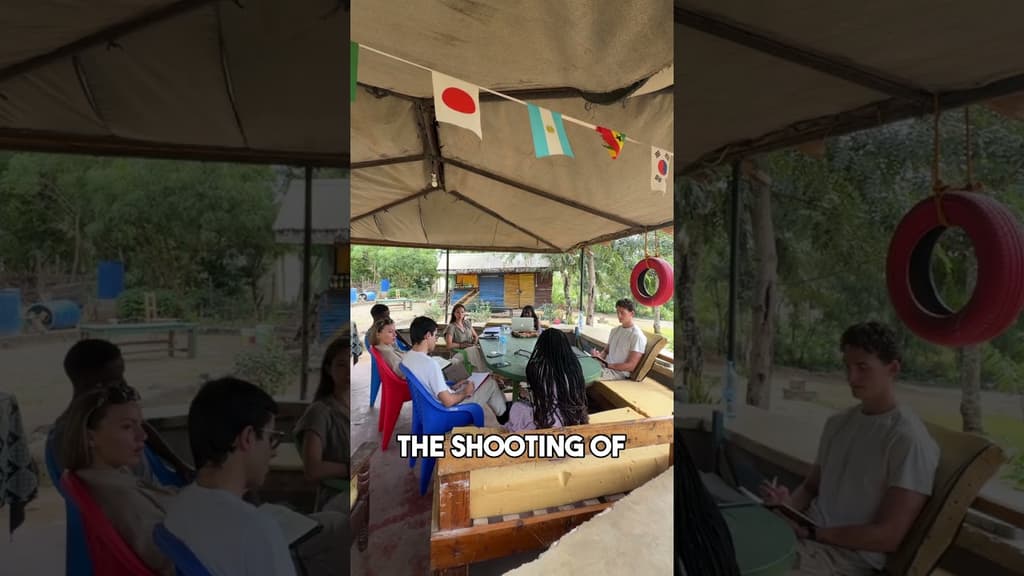
Who joins? Students and professionals across social work, child development, education, psychology, public health, and related fields. AIT typically hosts 15–40 international students at a time, drawn from over 1000 partner universities worldwide.
What is the Children's Agenda?
The Children's Agenda is Tanzania's most comprehensive, coalition-driven response to the challenges facing children — developed by a coalition of 40 Tanzanian NGOs, including UNICEF and Save the Children. It prioritises children's fundamental rights to education, healthcare, sanitation, and the conditions they need to grow, learn, and be protected. Art in Tanzania is an active member of the coalition, so your placement connects you directly to one of the country's most significant child rights initiatives.
What are the ten investment priorities?
The Children's Agenda is built around ten defined areas of action. Your work contributes to one or more, depending on your background and placement focus:
- Save the lives of children and women — reducing preventable maternal and child mortality through advocacy and community health support.
- Good nutrition — addressing malnutrition and food insecurity among children and families.
- Hygiene and sanitation in schools and health facilities — improving the conditions that protect children's health and enable learning.
- Early childhood development — supporting cognitive, emotional, and physical development in the most formative years.
- Quality education for all children — expanding access to and improving education across village schools.
- Safe schools — creating learning environments that are physically safe, inclusive, and free from harm.
- Protecting infants and adolescent girls from HIV — prevention, education, and care for the most vulnerable.
- Reducing teenage pregnancy — community education and advocacy that empower young people.
- Protecting children from violence, abuse, and exploitation — advocacy, family support, and systemic change.
- Children with disabilities — ensuring disabled children are included, supported, and given equal opportunities.
What does the placement involve?
Your daily work combines direct community engagement with advocacy, education, and communications:
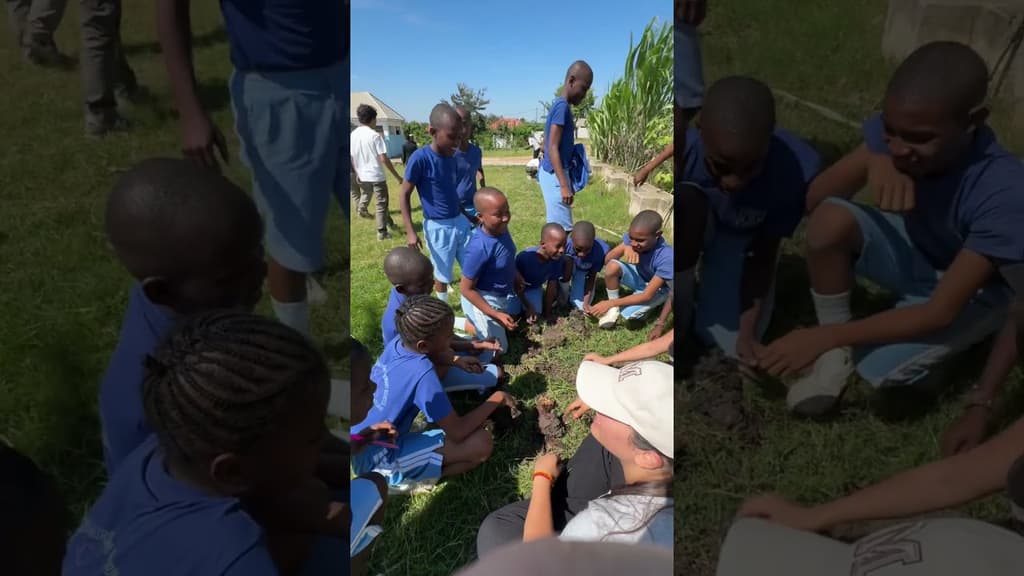
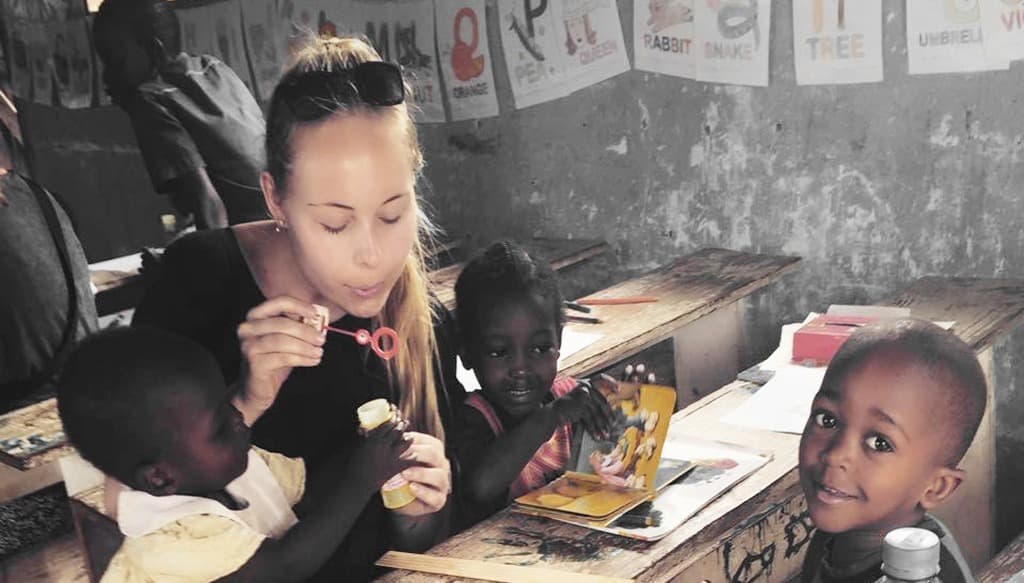
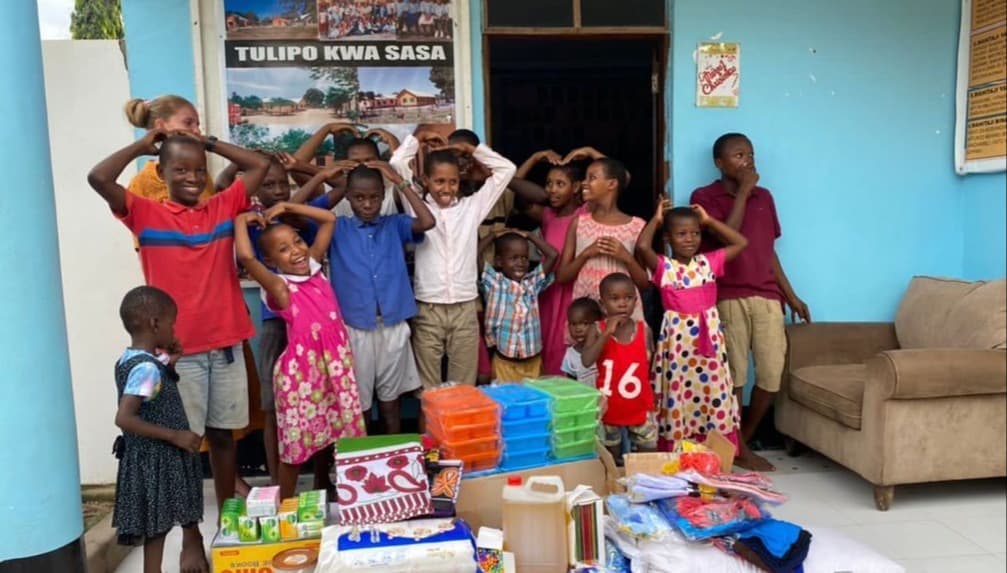
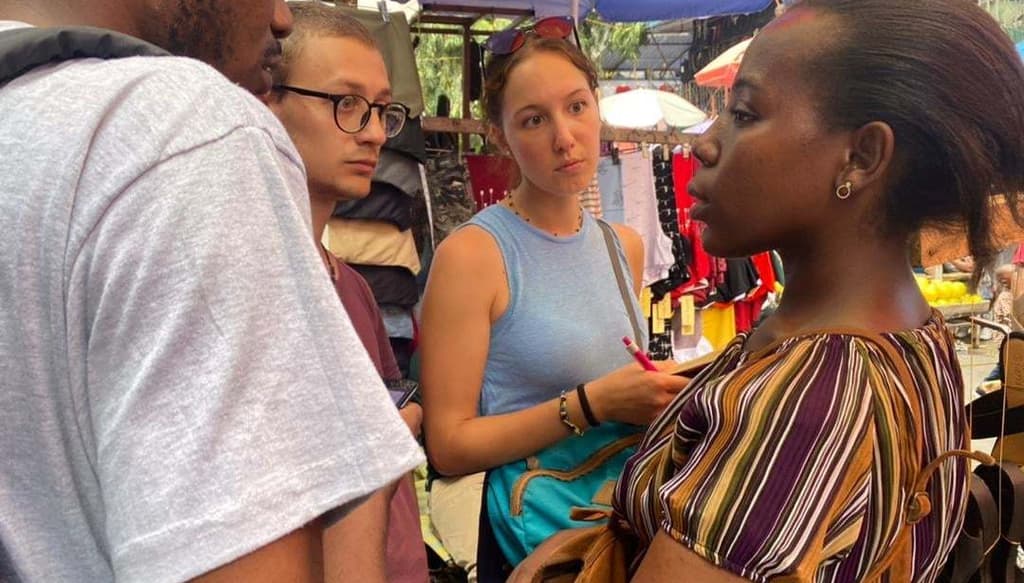
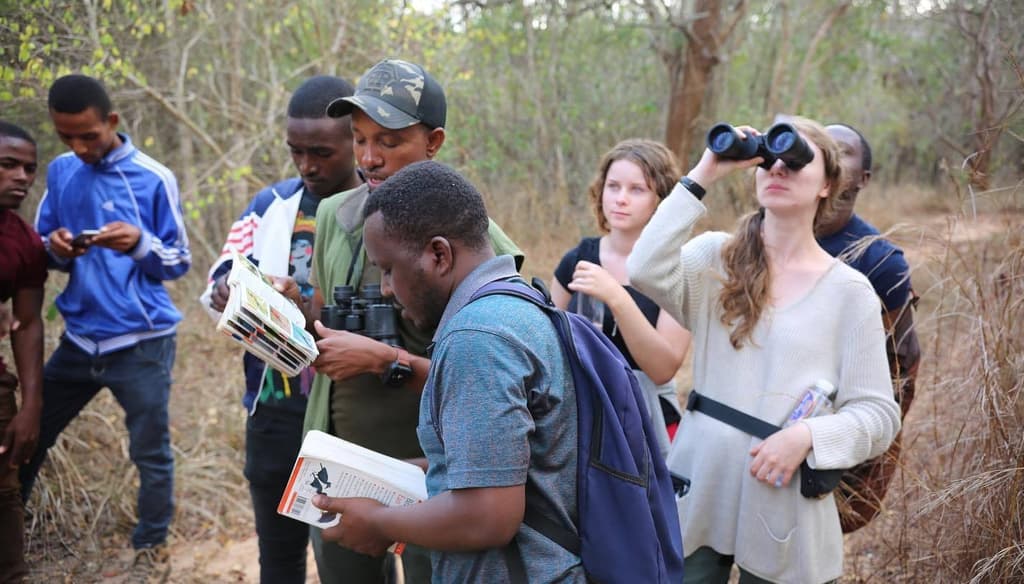
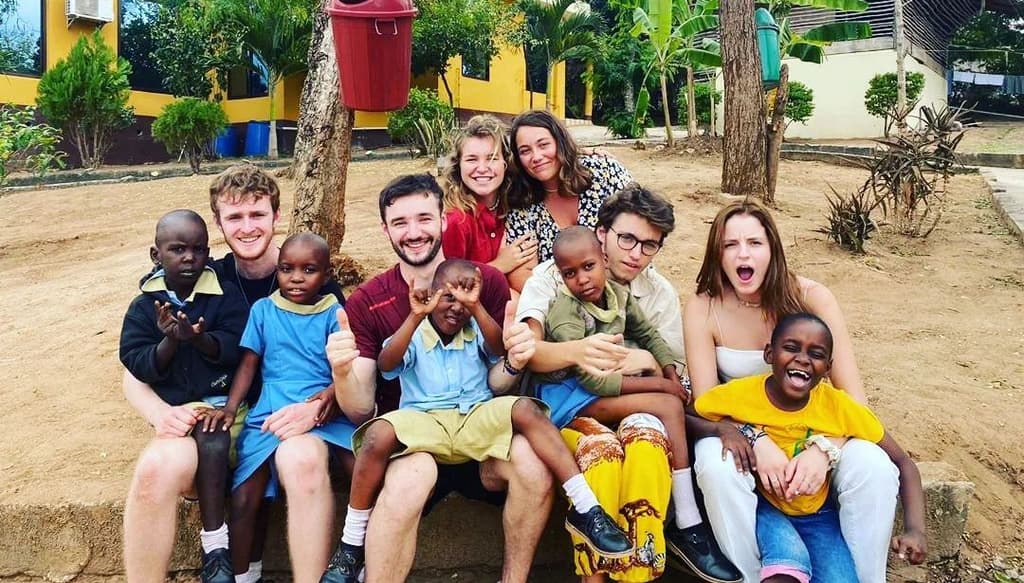
- Community and family work — engaging directly with children and families to understand and address their needs, building the trust that makes community development lasting.
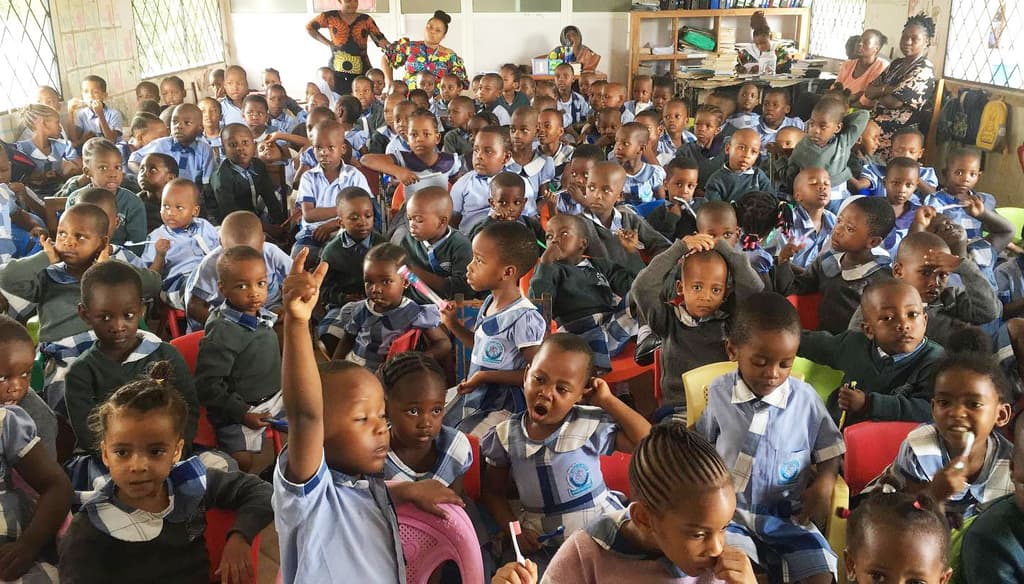
- Education and early childhood support — contributing to early childhood development and school-based programmes across nursery, primary, and secondary settings.
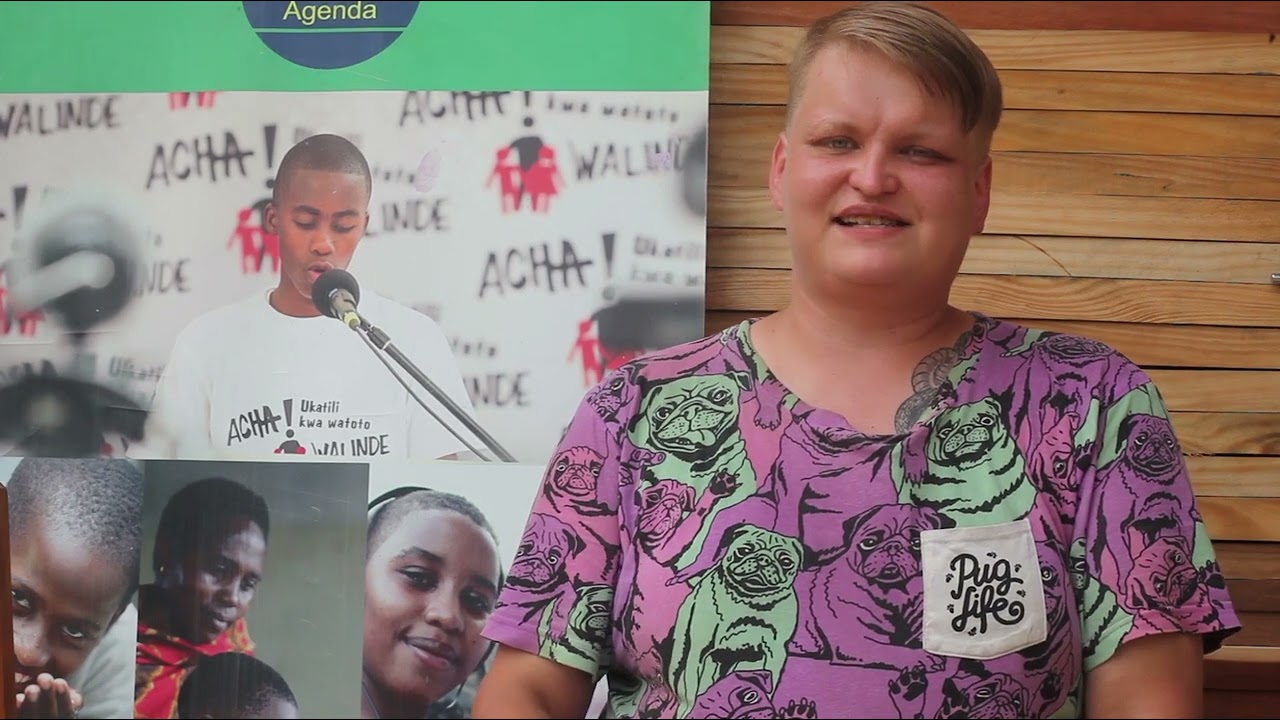
- Advocacy and public awareness — supporting awareness through field activities, school sessions, and AIT's social media, including a Facebook audience of over 50,000 followers.
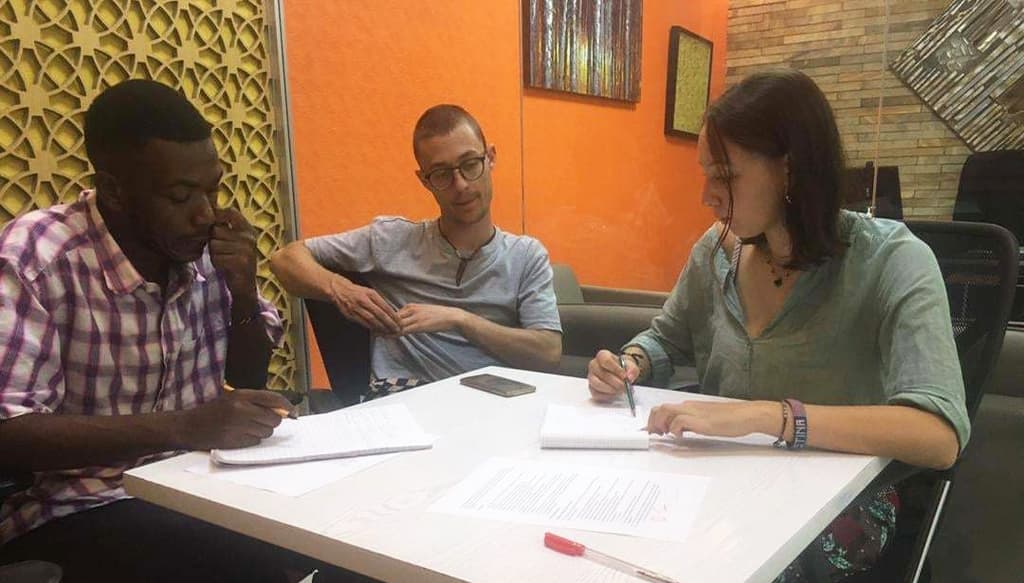
- Planning, reporting, and visibility — contributing to documentation and reporting that demonstrates impact and keeps the coalition accountable to its targets.
How does the placement work?
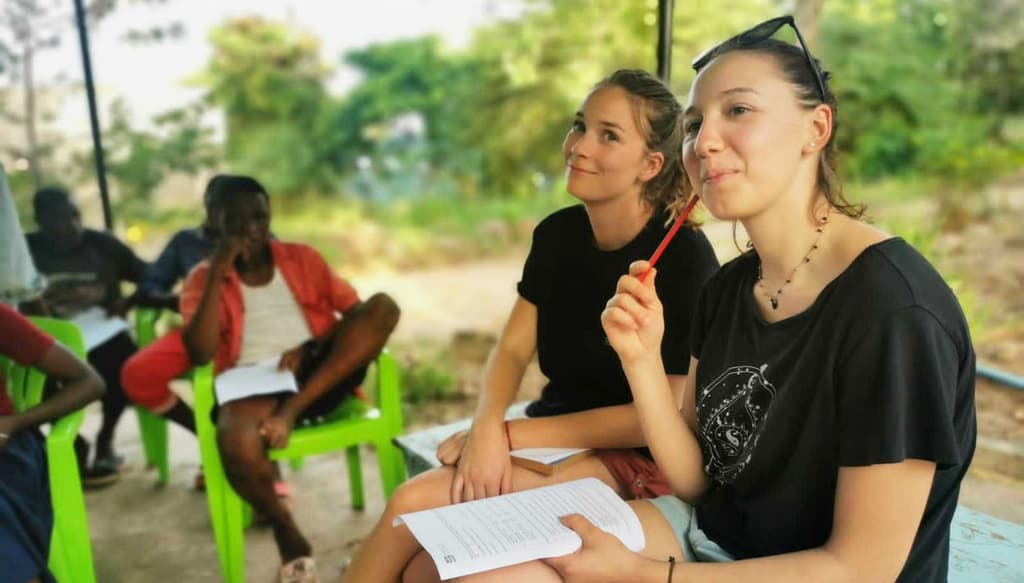
Academic-level team leaders supervise your placement daily, and a weekly planning and reporting system keeps your work structured and aligned with your academic requirements. The outcome is direct: hands-on experience applying your education alongside some of the world's leading child rights organisations. Social work, child development, education, psychology, public health, nursing, human rights, international development, and nutrition are all excellent fits.
Who runs the programme, and since when?
Art in Tanzania (AIT) has placed approximately 250 participants annually in hands-on community programmes across Tanzania since 1996. AIT is an active member of the Children's Agenda coalition of 40 Tanzanian NGOs.
What is life in Tanzania like during the placement?
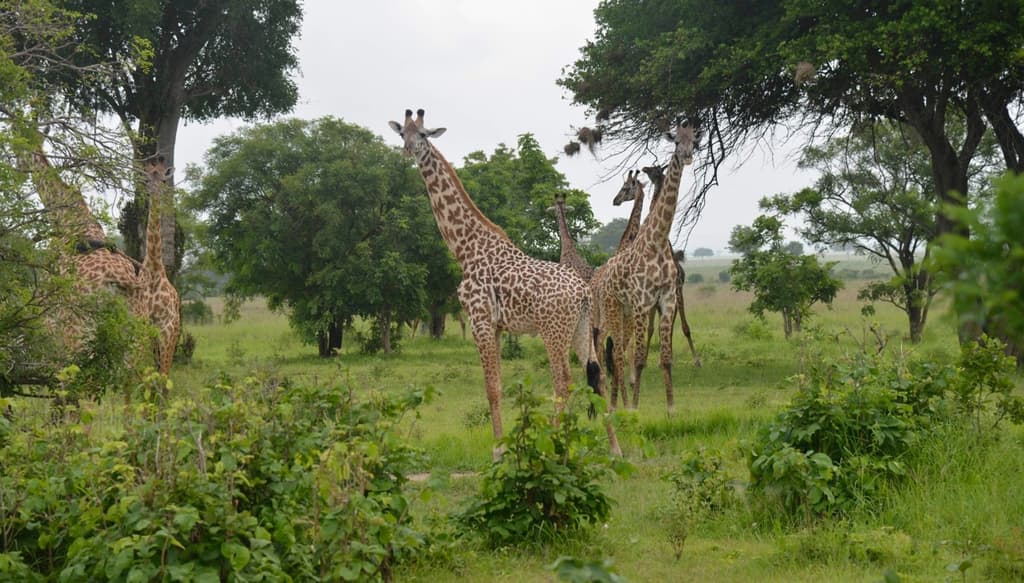
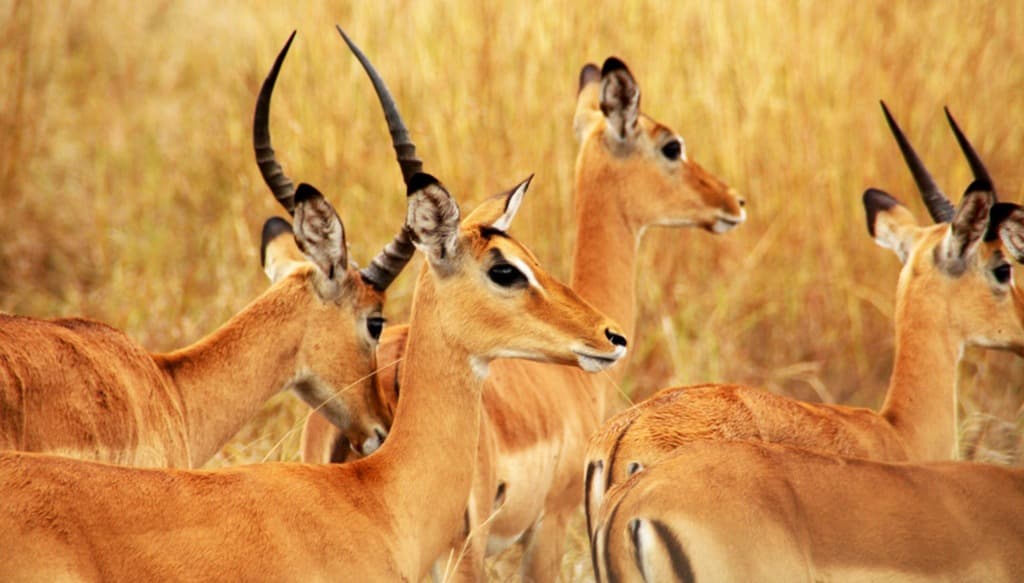
Beyond your placement, Tanzania offers vibrant culture, extraordinary wildlife, and landscapes of remarkable natural beauty. Affordable, sustainable safaris and tours are available for you and visiting friends or family.
Can I get funding?
Yes. Erasmus+ funding may be available for this placement. Speak with your student or international office about grant options that could fully or partially fund the experience.
Frequently asked questions
What is the Children's Agenda?
Tanzania's most comprehensive coalition-driven child rights initiative, developed by 40 Tanzanian NGOs including UNICEF and Save the Children, is built around ten investment priorities.
What are the ten investment priorities?
Saving children's and women's lives, good nutrition, hygiene and sanitation, early childhood development, quality education, safe schools, HIV protection, reducing teenage pregnancy, protection from violence and exploitation, and inclusion of children with disabilities.
Who can join the Children's Agenda Programme?
Students and professionals from social work, child development, education, psychology, public health, nursing, human rights, international development, and nutrition. AIT hosts 15–40 participants at a time from over 400 partner universities worldwide.
What are the working hours?
6–8 hours per day, Monday to Friday.
When can I start?
The programme runs continuously year-round, with flexible start dates and adjustable duration.
Is funding available?
Yes — Erasmus+ funding may fully or partially cover your placement. Ask your student office about grant options.
Ready to apply?
📋 Apply now · 🌐 Visit our website · 📷 See the compound · ✈️ Pre-travel info · 📖 EVOLVET volunteer development programme · 💬 Read testimonials
Get in touch
Have questions? We'd love to hear from you.
📧 < correo electrónico eliminado por razones de seguridad > · 📱 WhatsApp: +255 767 777 73 · 🎥 Schedule a Zoom meeting