International Relations Programme in Tanzania — Art in Tanzania
What is it? The International Relations Programme places international students and volunteers inside the machinery of NGO and international development work in Tanzania — combining community fieldwork, human rights advocacy, development-aid advocacy, and NGO partnership coordination. It is run by Art in Tanzania (AIT), a community-development NGO founded in 1996.
Where? Schools, community groups, and partner organisations around Dar es Salaam, Tanzania.
How long? Flexible — 2 weeks to 12 months (a typical internship runs 2–3 months), with the programme running year-round.
Working hours? 6–8 hours per day, Monday to Friday — mornings for fieldwork, afternoons for planning and communications.
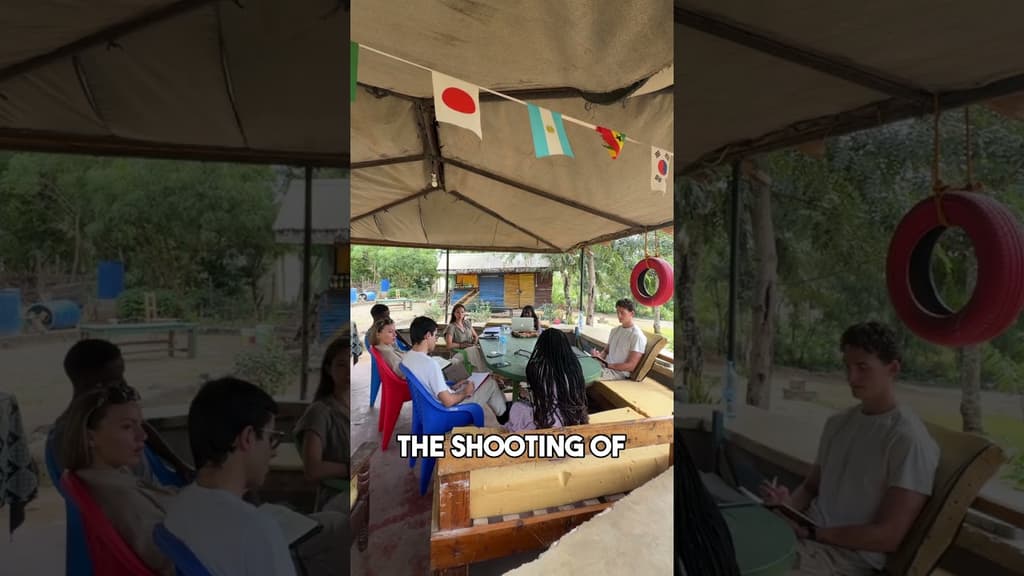
Who joins? AIT typically hosts 15–40 international students at a time, drawn from over 1000 partner universities worldwide.
What does the International Relations Programme involve?
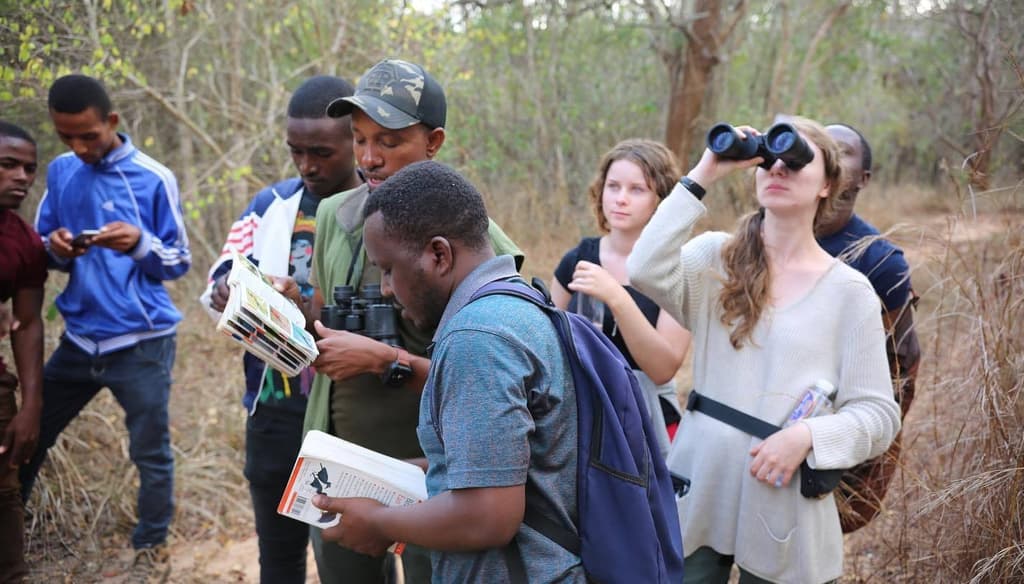
Your placement combines morning fieldwork with afternoon planning and communications, giving each day a clear rhythm of action and reflection. Work spans:
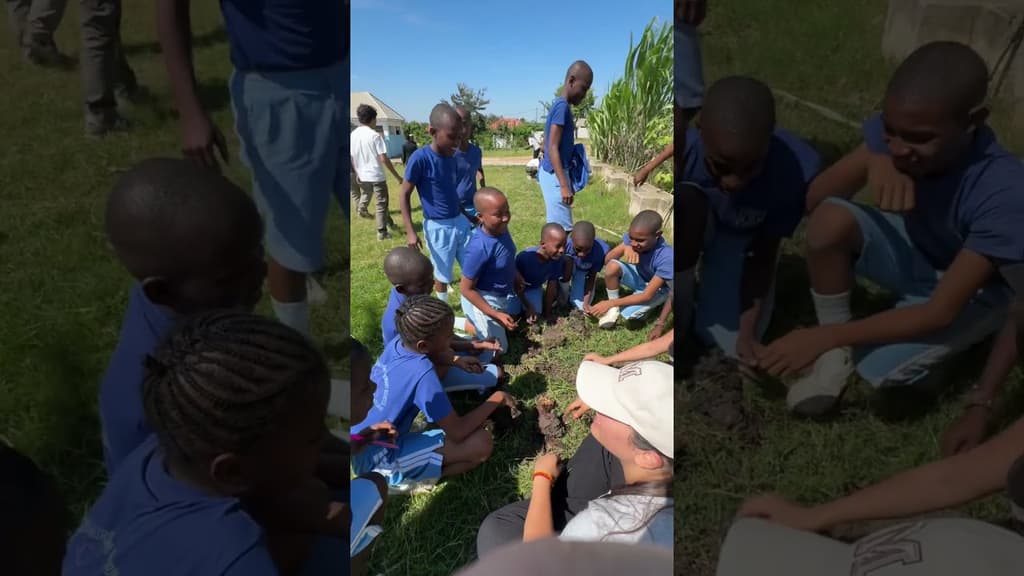
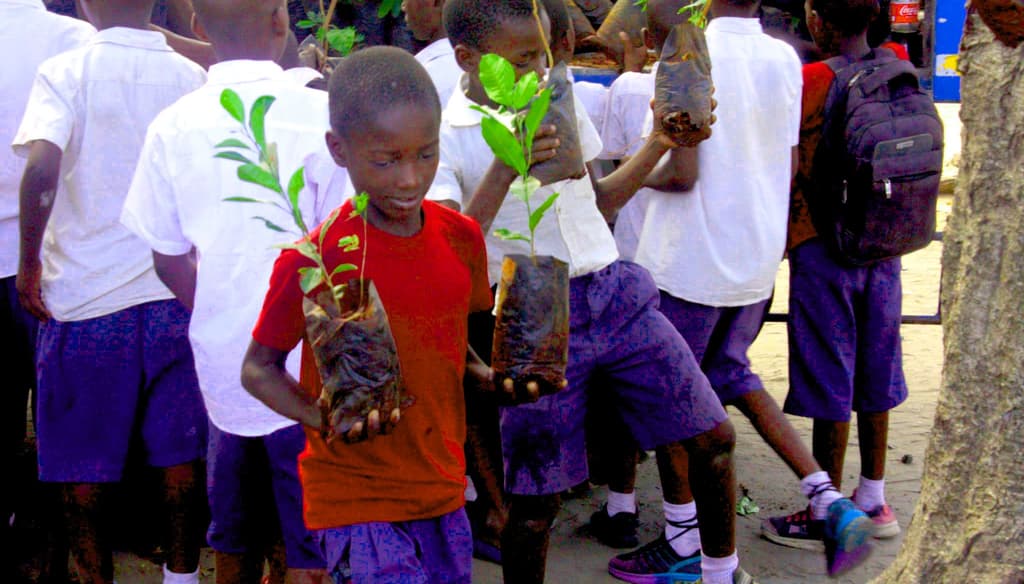
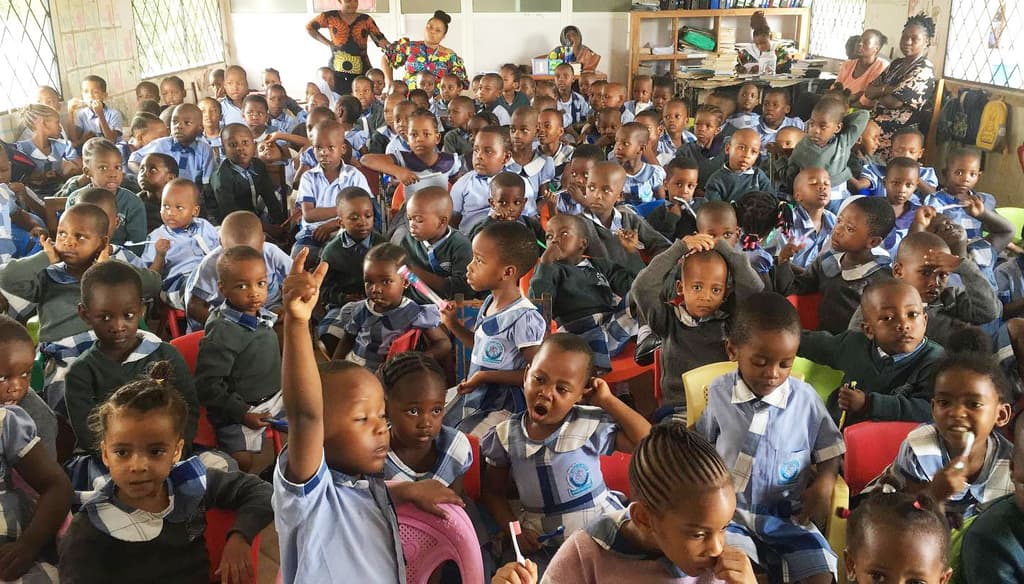
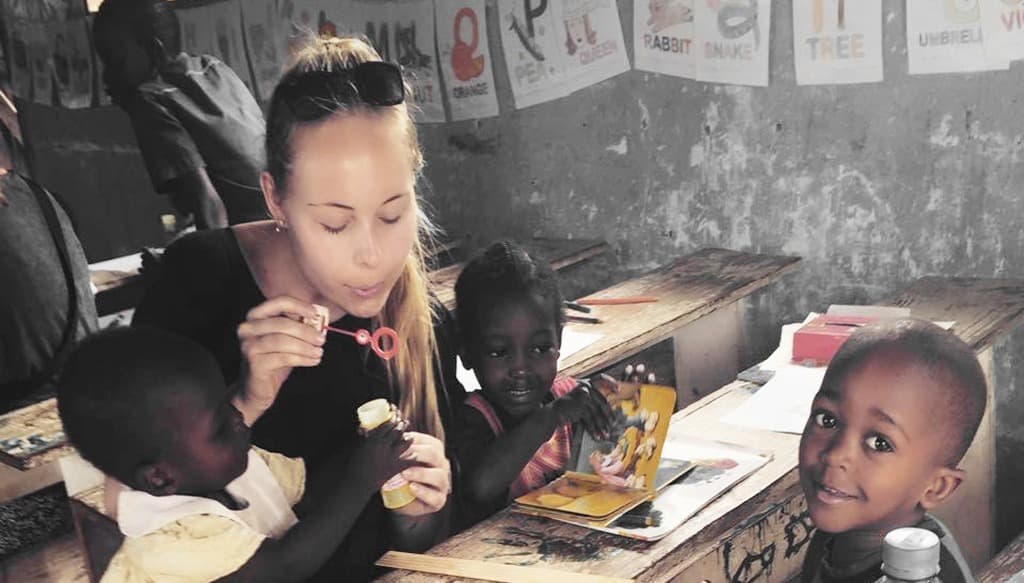
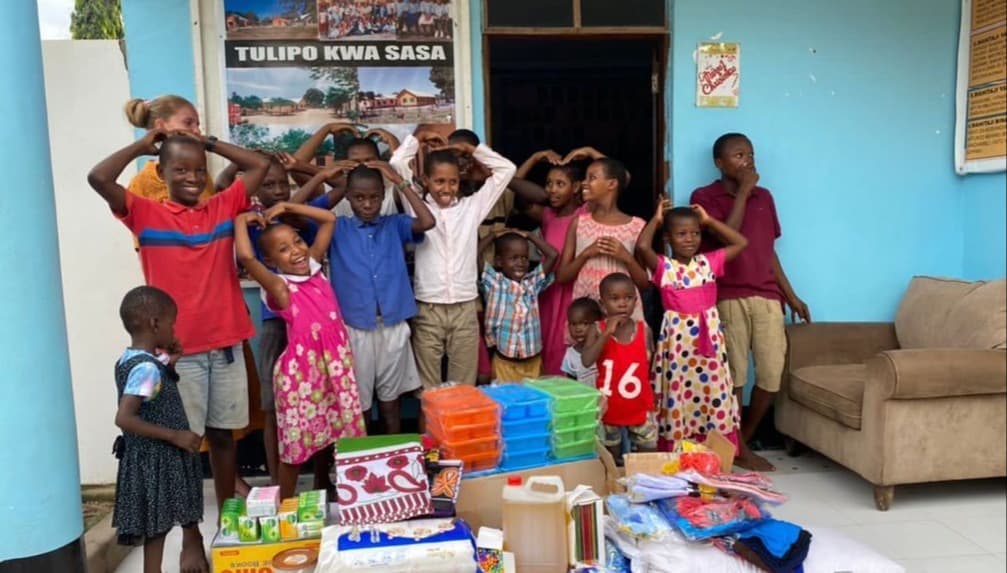
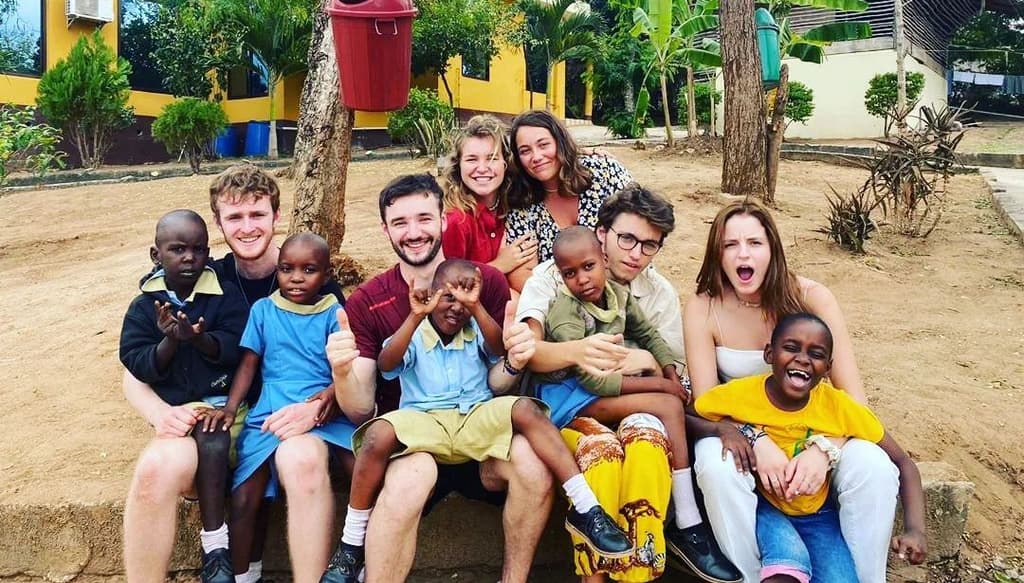
- Community development fieldwork — working directly in schools, local companies, and community groups — including women's development groups and environmental initiatives — on grassroots development activities.
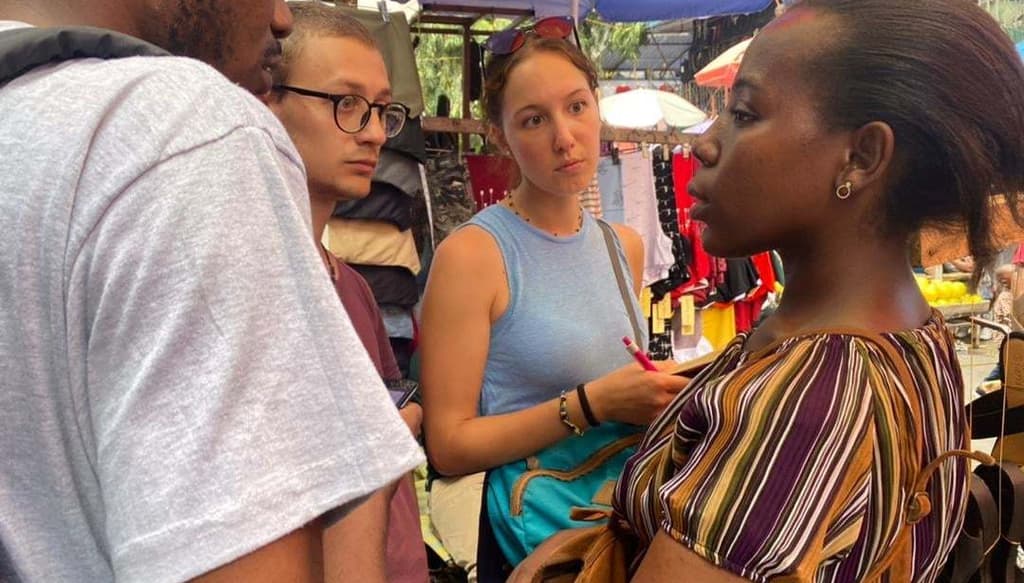
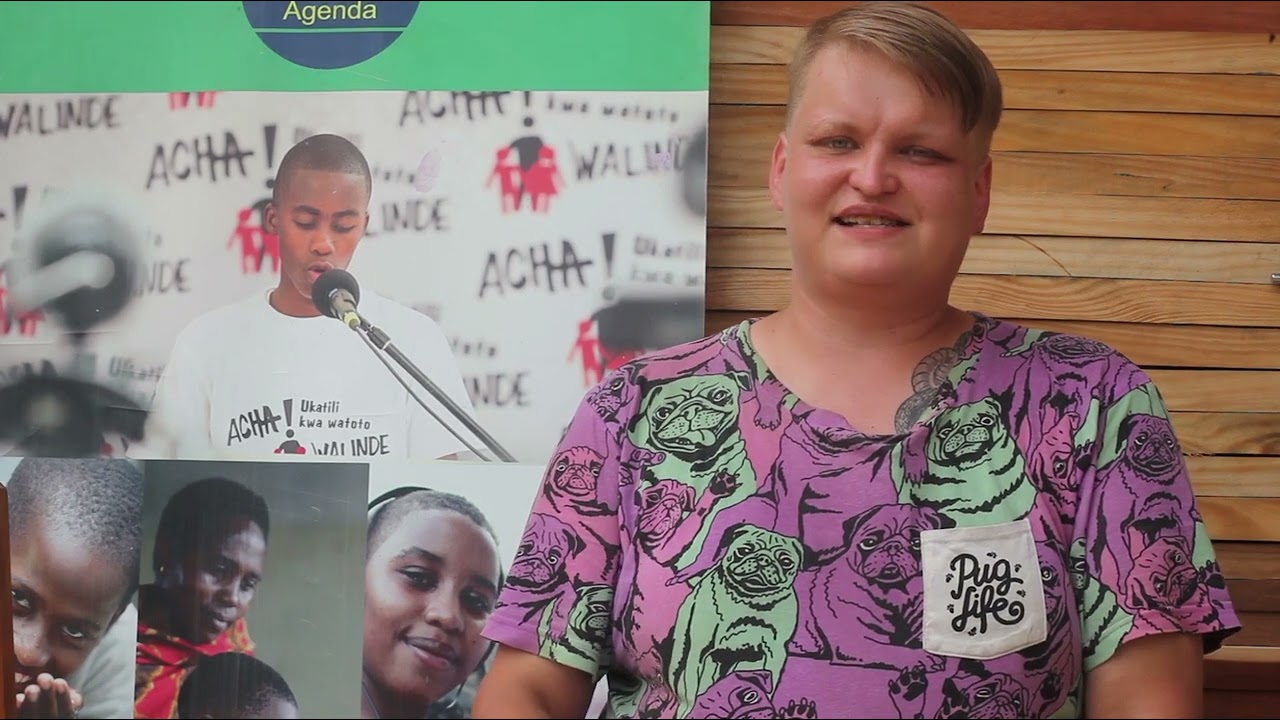
- Human rights advocacy — conducting advocacy and supporting individuals and groups whose rights are at risk — is practical, relationship-based work rather than theoretical.
- Development aid advocacy — contributing to efforts that highlight the value and impact of international development aid in African communities and build the case for sustained investment.
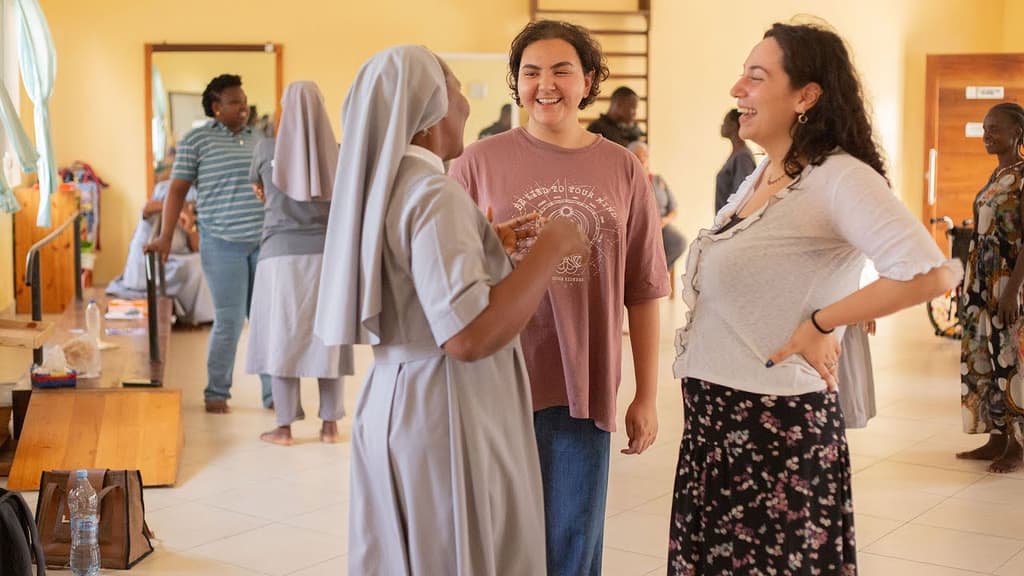
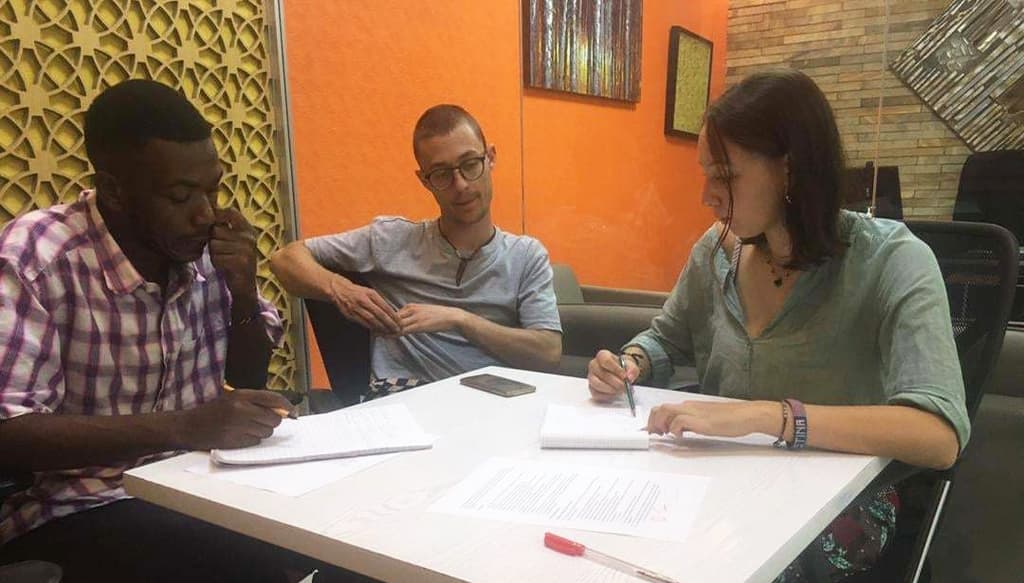
- NGO partnership and coordination — engaging with AIT's network of local and international partners to understand how NGO consortia operate, how collaboration is structured, and how development targets are set and measured.
- Planning, reporting, and visibility — dedicating afternoons to programme planning, progress reporting, and social media visibility — building documentation and communications skills essential in any development career.
How does the placement work?
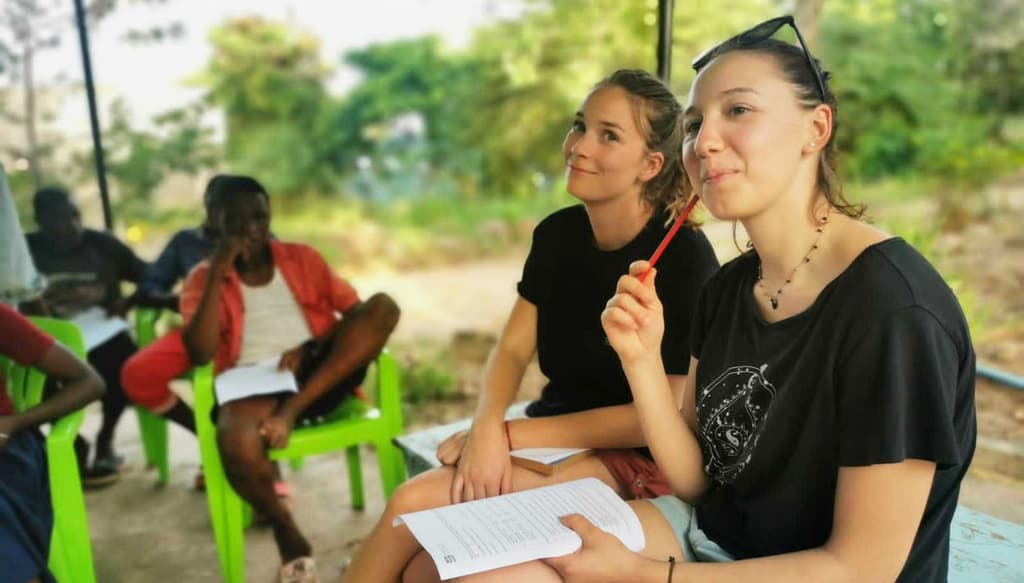
The programme is academically grounded. Academic-level team leaders supervise your placement daily, and a weekly plan-and-report system keeps your work structured, purposeful, and aligned with your study requirements, with progress monitored so you can demonstrate outcomes to your university. The outcome is direct: you learn to apply your education in the conditions that define much of international development work — limited capacity, cross-cultural complexity, and the need to be both strategic and adaptable.
Your placement is shaped around your academic background, previous experience, and interests. Whether your focus is international law, development economics, political science, sociology, public health, or humanitarian affairs, there is a meaningful role for you.
Who does the programme partner with?
You collaborate with NGO consortia, including UNICEF and the United Nations, working toward specific development targets that directly impact Tanzanian society.
Who runs the programme, and since when?
Art in Tanzania (AIT) has placed approximately 250 participants annually in hands-on community programmes across Tanzania since 1996. The International Relations Programme is designed for students who want to study, understand, and actively contribute to NGO operations and international development practice from the ground up.
What is life in Tanzania like during the placement?
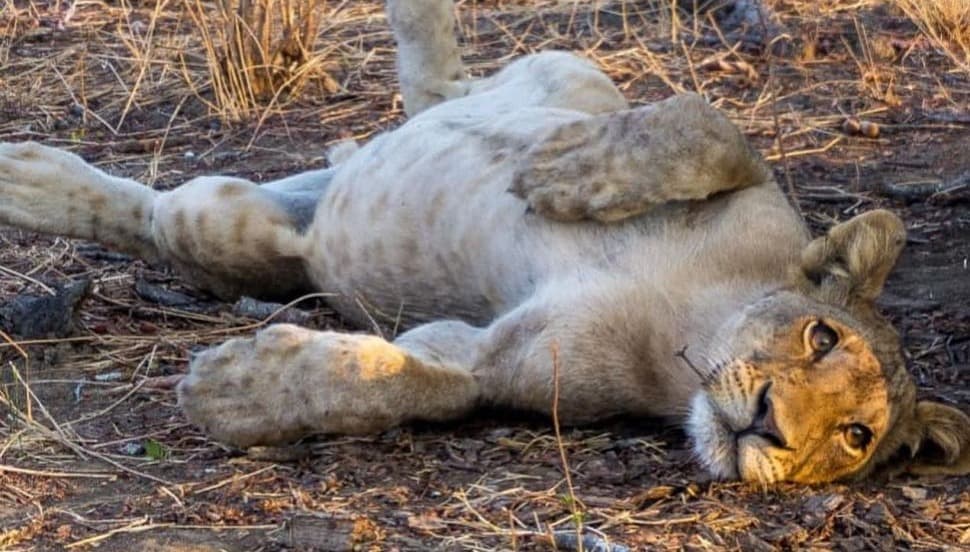
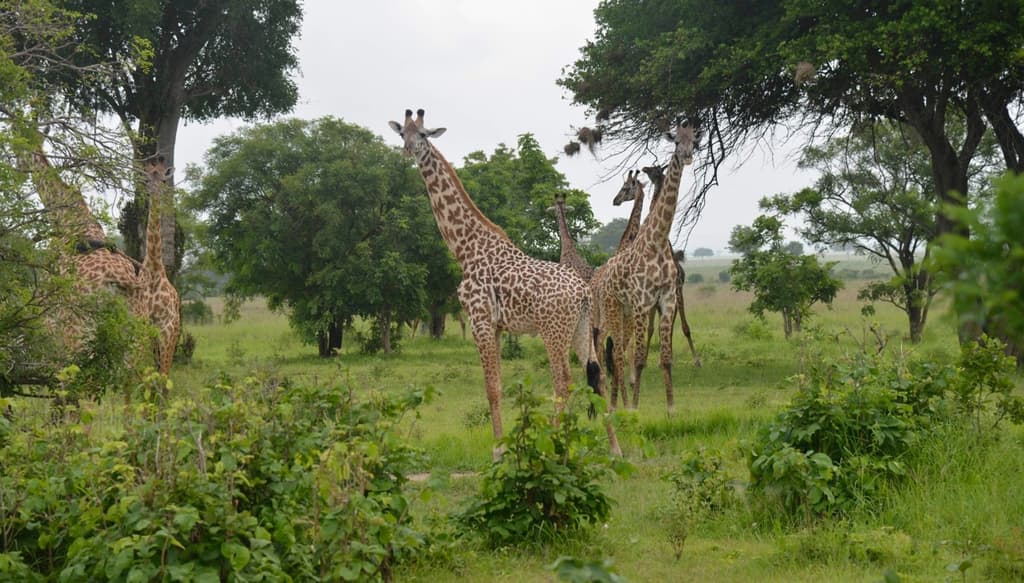
Tanzania offers one of Africa's richest combinations of cultural depth, natural beauty, and economic momentum — vibrant communities, iconic wildlife, and extraordinary landscapes. Affordable, sustainable safaris and tours are available for you and visiting friends or family.
Can I get funding?
Yes. Erasmus+ funding may be available for this placement. Speak with your student or international office about grant options that could fully or partially fund the experience.
Frequently asked questions
What does the International Relations Programme involve?
Community development fieldwork, human rights advocacy, development-aid advocacy, NGO partnership and coordination, and programme planning, reporting, and visibility.
Who can join the International Relations Programme?
Students and professionals from international law, development economics, political science, sociology, public health, and humanitarian affairs. AIT hosts 15–40 participants at a time from over 400 partner universities worldwide.
How long is the placement?
From 2 weeks to 12 months, with a typical internship running 2–3 months. The programme runs year-round.
What are the working hours?
6–8 hours per day, Monday to Friday, with mornings for fieldwork and afternoons for planning and communications.
Is funding available?
Yes — Erasmus+ funding may fully or partially cover your placement. Ask your student office about grant options.
Ready to apply?
📋 Apply now · 🌐 Visit our website · 📷 See the compound · ✈️ Pre-travel info · 📖 EVOLVET volunteer development programme · 💬 Read testimonials
Get in touch
Have questions? We'd love to hear from you.
📧 < email supprimé pour raison de sécurité > · 📱 WhatsApp: +255 767 777 73 · 🎥 Schedule a Zoom meeting