Climate Change Programme in Tanzania — Art in Tanzania
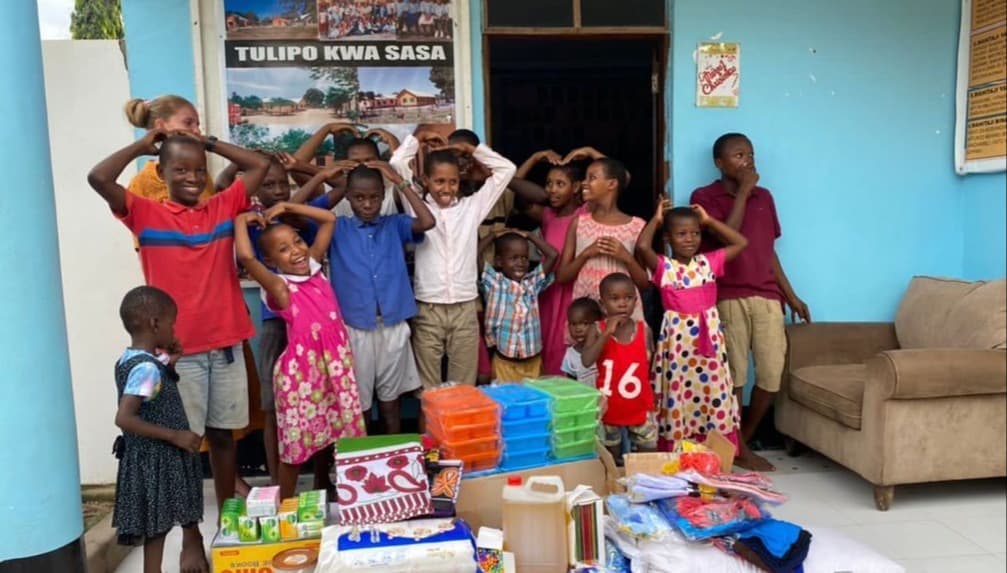
What is it? The Climate Change Programme places international students and volunteers in field-based, community-embedded climate action across Tanzania — spanning reforestation, community education, media and policy advocacy, renewable energy, and climate data research. It is run by Art in Tanzania (AIT), a community-development NGO founded in 1996, in collaboration with a consortium of NGOs and private-sector partners.
Where? Communities and vulnerable landscapes across Tanzania, including the slopes of Kilimanjaro, coordinated from near Dar es Salaam.
How long? Flexible — the programme runs year-round, with duration adjustable to your availability and goals.
Working hours? 6–8 hours per day, Monday to Friday.
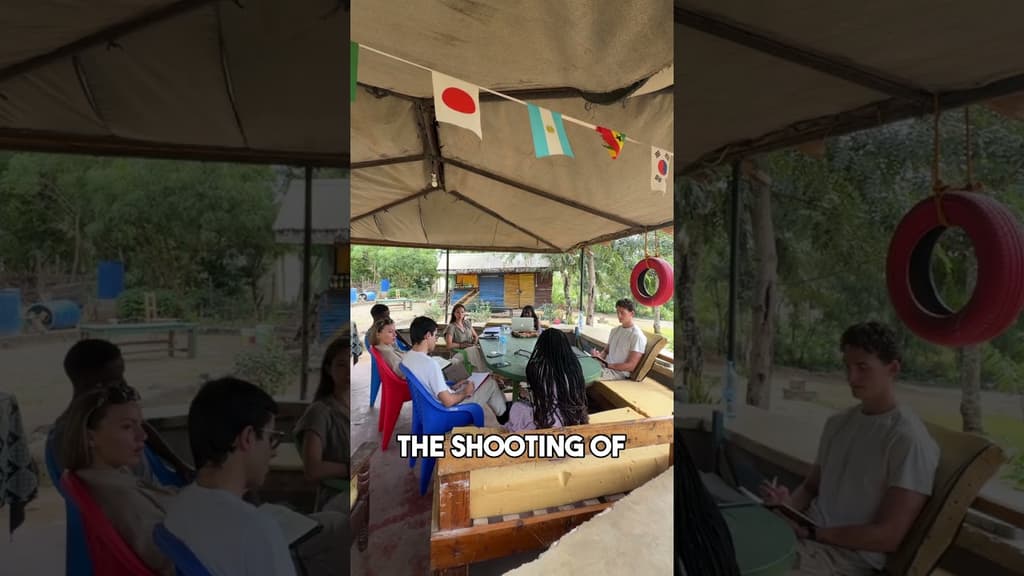
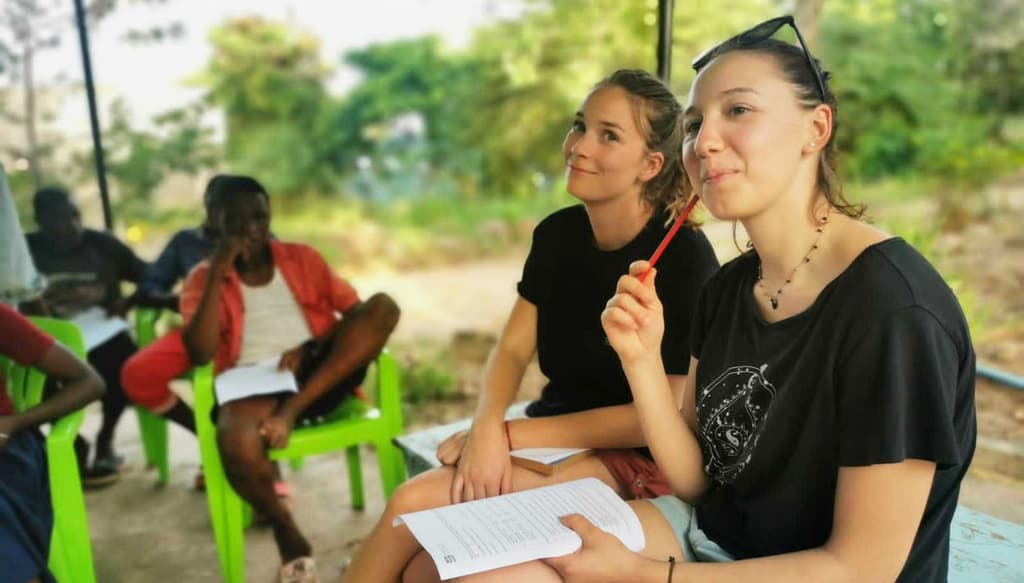
Who joins? AIT typically hosts 15–40 international participants at a time, drawn from over 1000 partner universities worldwide.
Why does this programme matter?
Tanzania is on the frontline of the climate crisis. Droughts are intensifying, harvests are failing, and Kilimanjaro's glaciers are retreating. Around 75% of Tanzanians live in rural areas and depend on agricultural income, so climate change is today's reality rather than a future threat — and the most vulnerable communities, including women, youth, and people with disabilities, bear the heaviest burden.
What does the Climate Change Programme involve?
Your placement is tailored to your background and interests, and work spans six core areas:
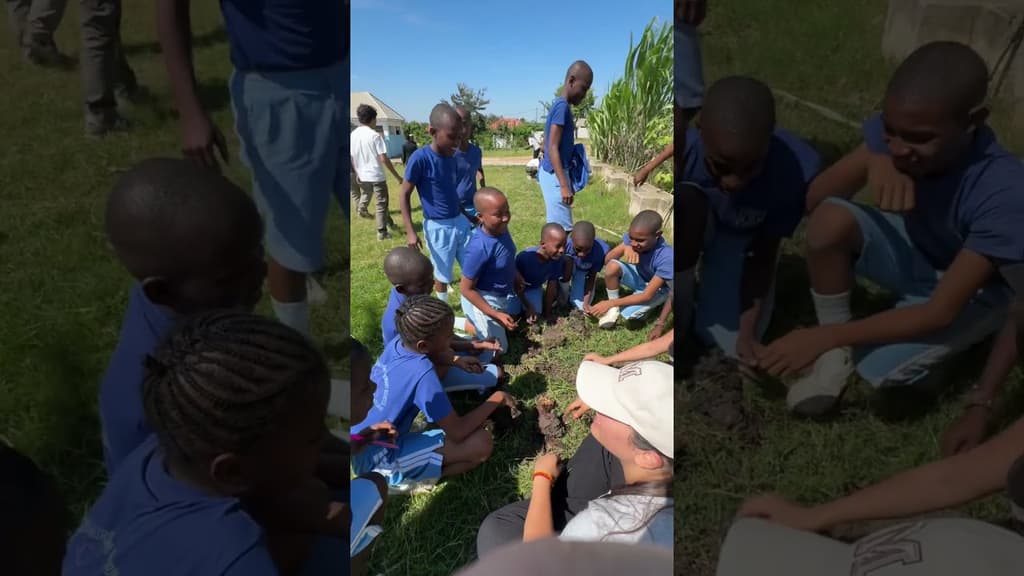
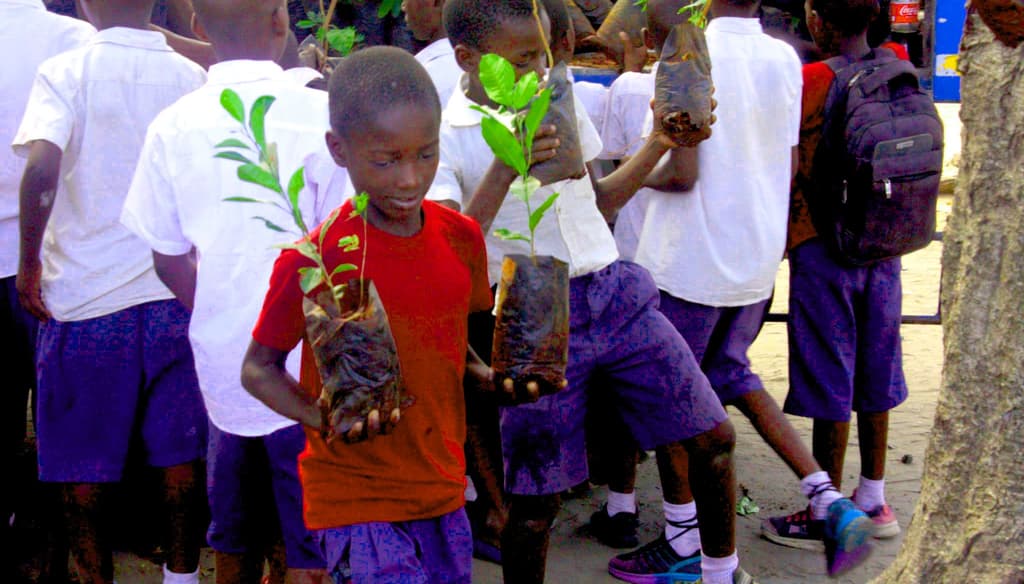
- Tree planting and reforestation — restoration on the degraded slopes of Kilimanjaro and other vulnerable landscapes, including nursery management and community planting initiatives.
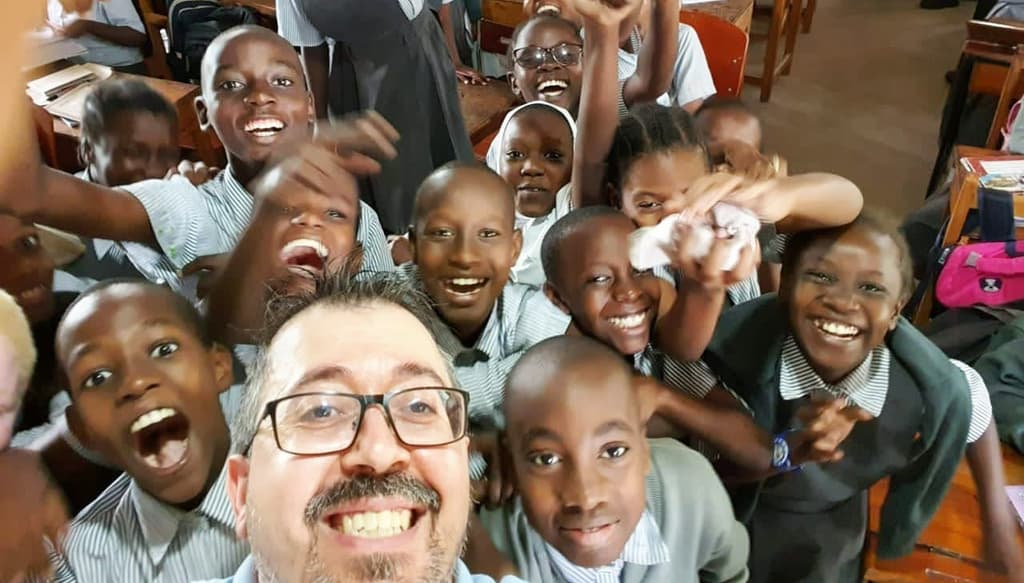
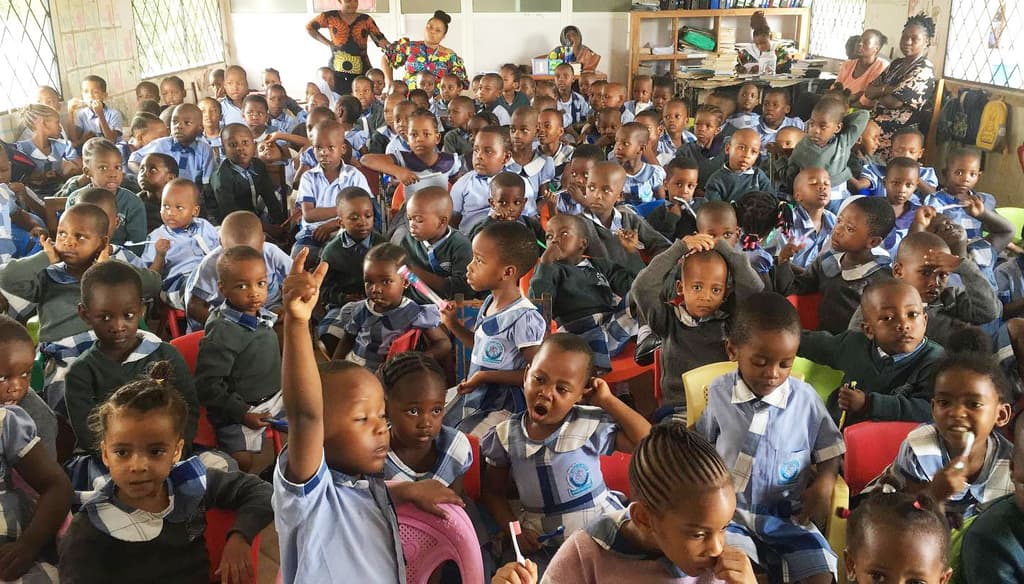
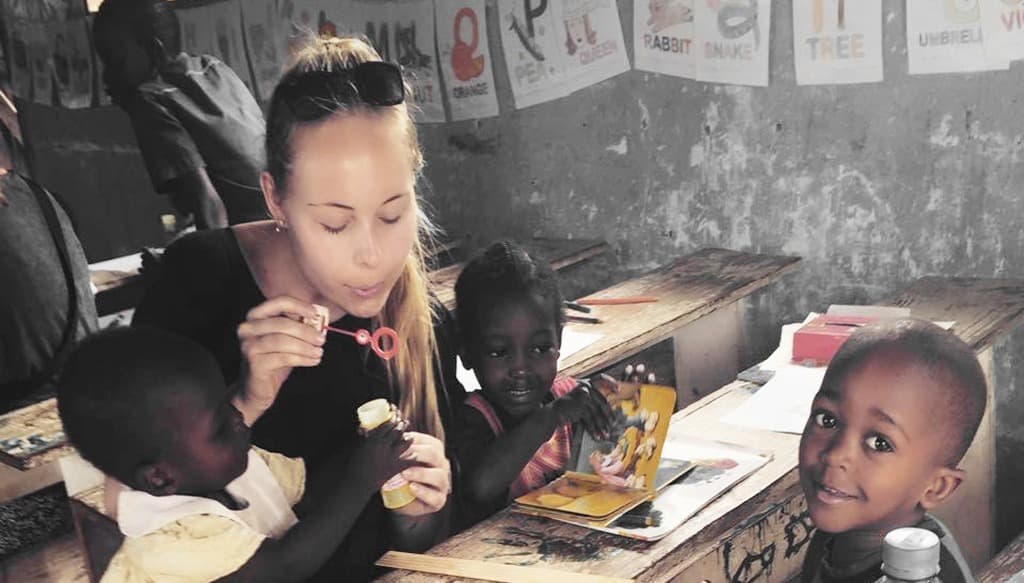
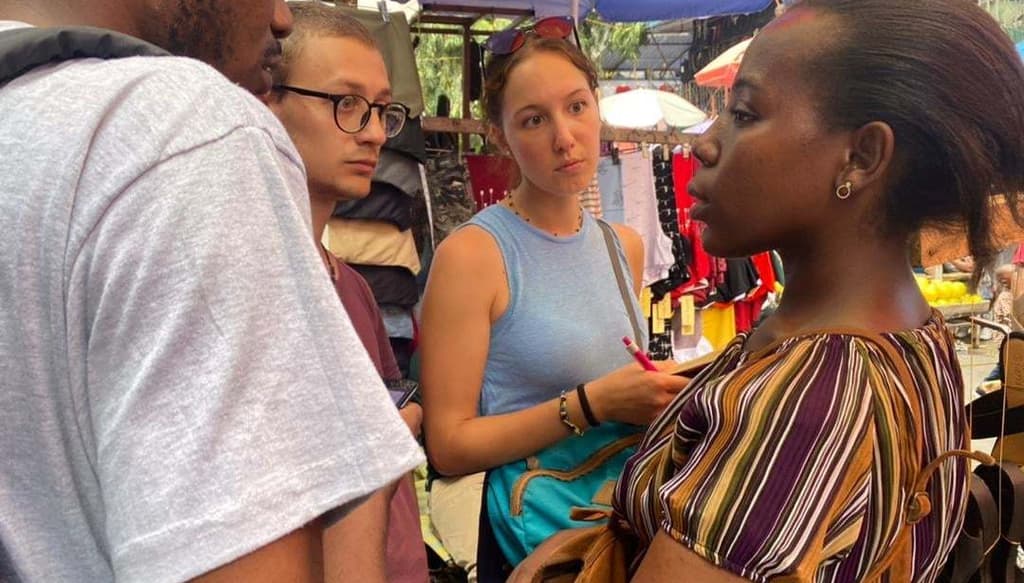
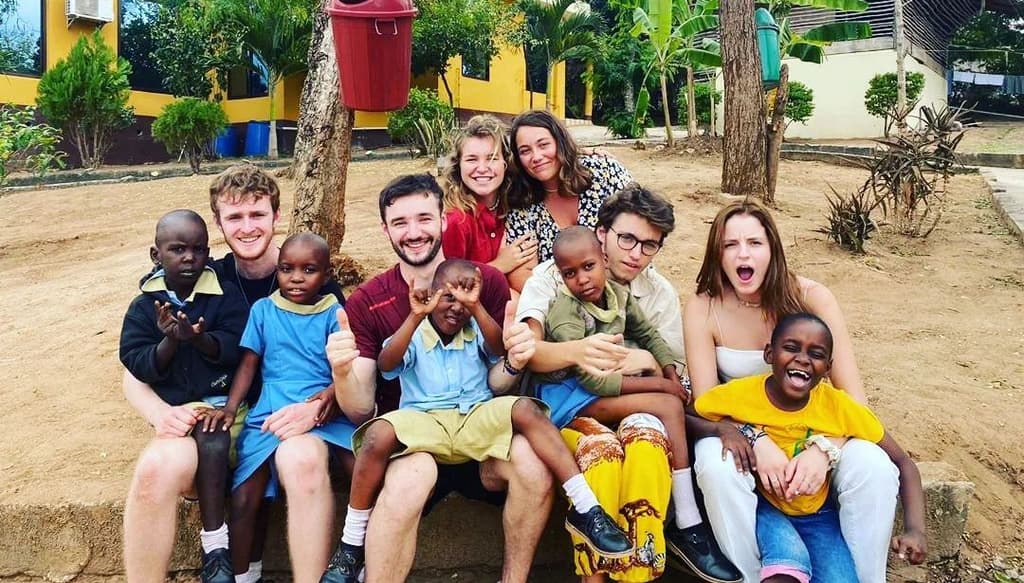
- Community awareness and education — workshops in local schools and villages on climate change, deforestation, and sustainable land use, translating complex issues into actionable knowledge.
- Media and policy advocacy — producing radio programmes, TV content, and short films to spotlight local climate challenges and the transition to a fossil-free economy. AIT's Facebook page reaches over 50,000 followers.
- Alternative and renewable energy — teaching energy-efficient cooking, building simple solar cookers, and supporting household solar installations that reduce wood-fuel dependence and lower emissions.
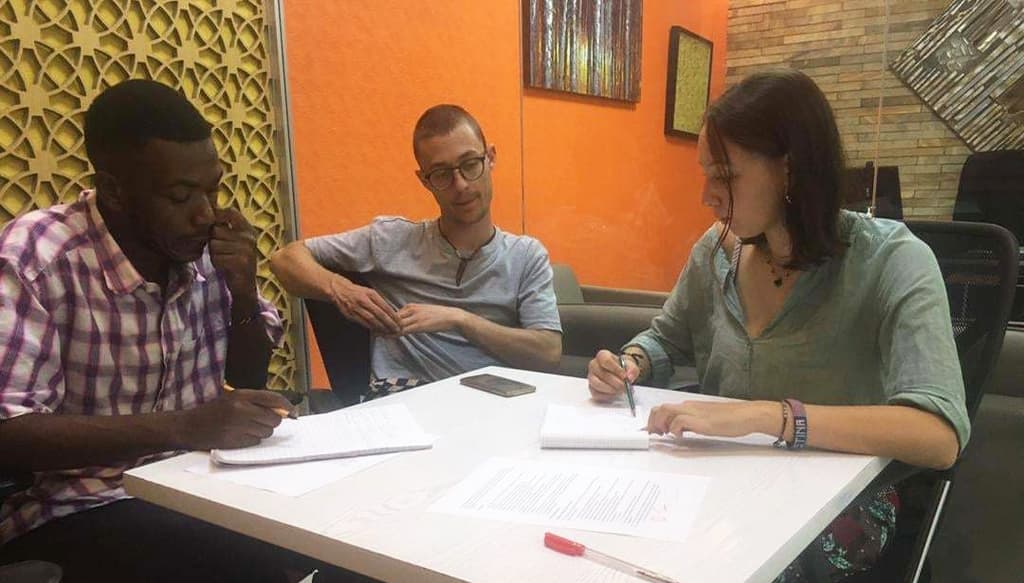
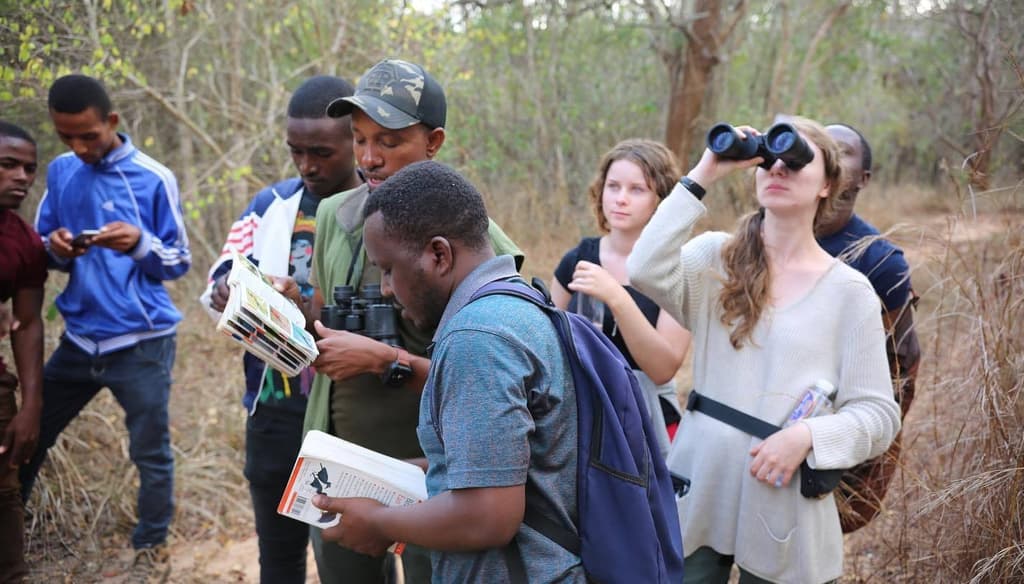
- Data collection and climate research — gathering and analysing data on climate impacts across water resource management, agriculture, and ecosystem health to feed policy and institutional reporting.
- Reporting and documentation — producing progress reports, case studies, and monitoring documents that capture project impact and support advocacy.
How does the placement work?
The programme is field-based and community-embedded — not desk research. Your placement is fully customised to your academic background, professional experience, and interests. Whether you study environmental science, public health, agronomy, communications, policy, or engineering, there is a meaningful role for you.
Who runs the programme, and since when?
Art in Tanzania (AIT) has connected approximately 250 participants per year with hands-on community work across Tanzania since 1996. The Climate Change Programme takes a multi-disciplinary approach, bringing together students from diverse backgrounds to assess the situation, model future scenarios, and co-develop solutions with local communities.
What is life in Tanzania like during the placement?
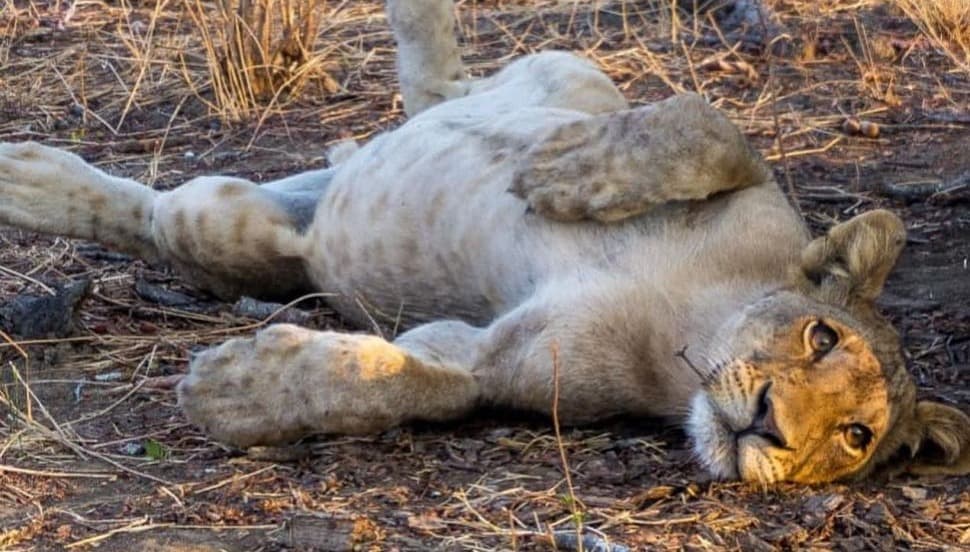
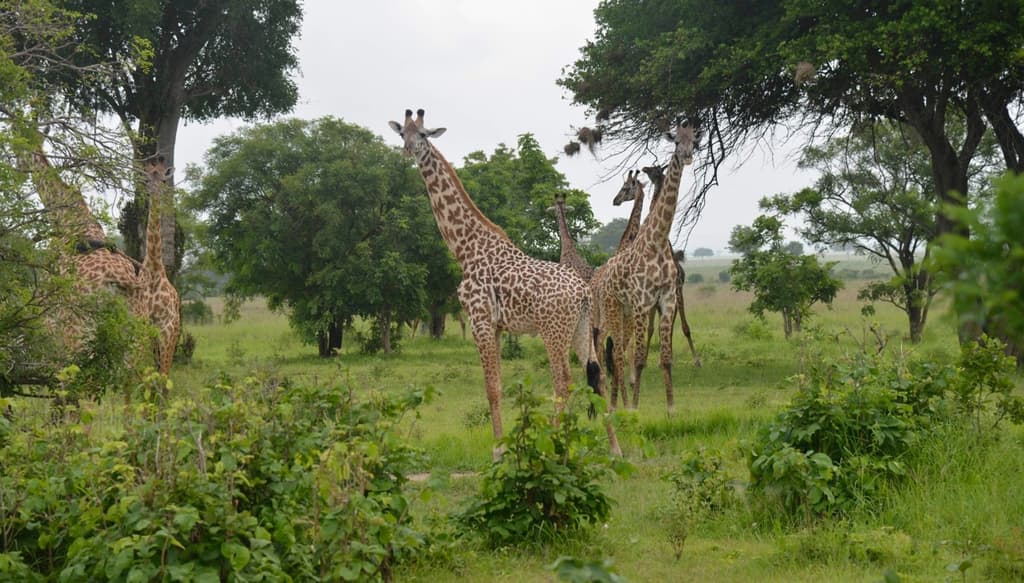
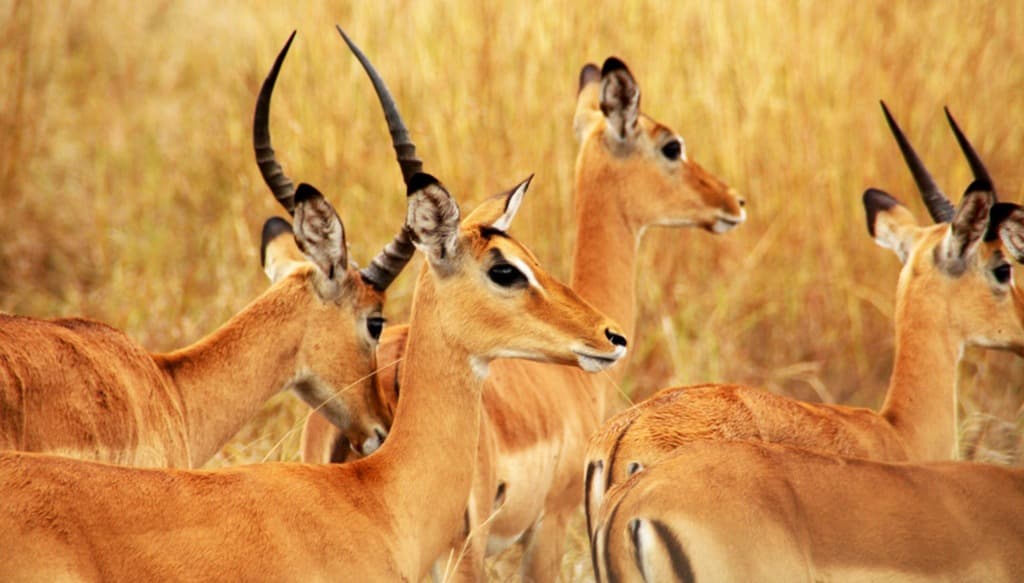
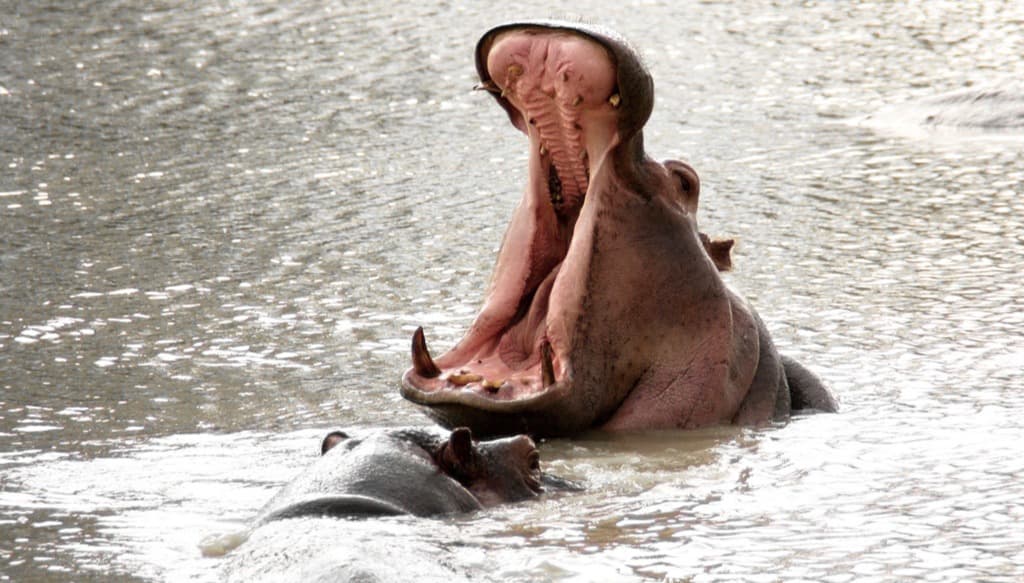
Alongside your placement, you immerse yourself in one of Africa's most culturally rich and naturally stunning countries. Affordable, sustainable safaris and tours are available for you and visiting friends.
Can I get funding?
Yes. Erasmus+ funding may be available for this placement. Speak with your student or international office about grant options that could fully or partially fund the experience.
Frequently asked questions
What does the Climate Change Programme cover?
Six core areas: tree planting and reforestation, community awareness and education, media and policy advocacy, alternative and renewable energy, climate data collection and research, and reporting and documentation.
Who can join the Climate Change Programme?
Students and professionals from any discipline, including environmental science, public health, agronomy, communications, policy, and engineering. AIT hosts 15–40 participants at a time from over 400 partner universities worldwide.
What are the working hours?
6–8 hours per day, Monday to Friday.
When can I start?
The programme runs year-round, with flexible start dates and adjustable duration to suit your availability and goals.
Is funding available?
Yes — Erasmus+ funding may fully or partially cover your placement. Ask your student office about grant options.
Ready to apply?
📋 Apply now · 🌐 Visit our website · 📷 See the compound · ✈️ Pre-travel info · 📖 EVOLVET volunteer development programme · 💬 Read testimonials
Get in touch
Have questions? We'd love to hear from you.
📧 < e-mail verwijderd om veiligheidsredenen > · 📱 WhatsApp: +255 767 777 73 · 🎥 Schedule a Zoom meeting