Nursing Programme in Tanzania — Art in Tanzania
What is it? The Nursing Programme is a clinical placement combining facility-based nursing in Tanzanian dispensaries and hospitals with community health advocacy in schools and local groups. It supports a range of nursing specialisations and delivers documented clinical outcomes. It is run by Art in Tanzania (AIT), a community-development NGO founded in 1996.
Where? Dispensaries, hospitals, schools, and community groups around Dar es Salaam, Tanzania.
How long? Flexible — the programme runs continuously year-round, with duration adjustable to your academic and clinical placement requirements.
Working pattern? Mornings in clinical fieldwork, afternoons in community health advocacy, Monday to Friday.
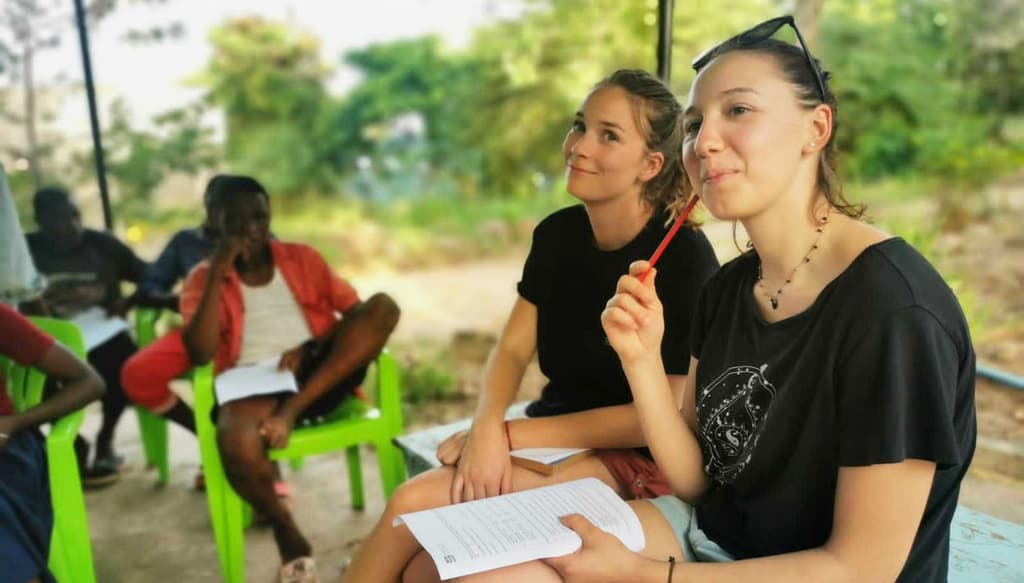
Who joins? Nursing students and graduates at all stages. AIT typically hosts 15–40 international students at a time, drawn from over 1000 partner universities worldwide.
Which nursing disciplines does the programme support?
The programme accommodates a wide range of nursing specialisations, including:
- BSc Nursing — general clinical nursing across hospital wards and community settings.
- Psychiatry and mental health nursing — supporting mental health care where services are significantly under-resourced, and stigma remains a major barrier.
- GNM (General Nursing & Midwifery) — clinical nursing with an emphasis on maternal and newborn care.
- Health promotion nursing — community-based education, prevention, and advocacy.
- Community nursing — village-level care, outreach, and health system navigation support.
If your specialisation is not listed, get in touch — AIT works across a broad range of clinical and community health contexts and will do its best to accommodate your needs.
What does a typical day look like?
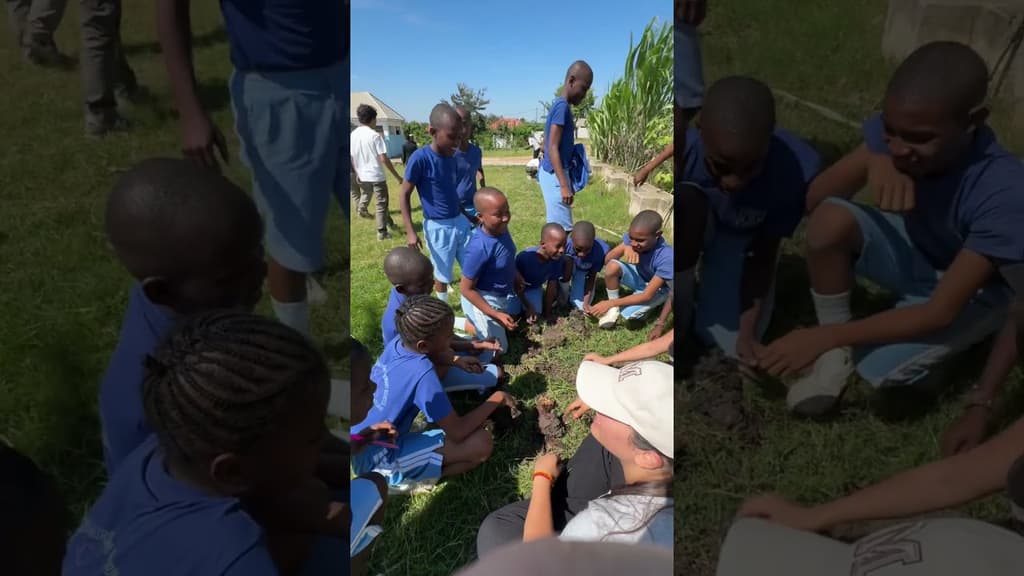
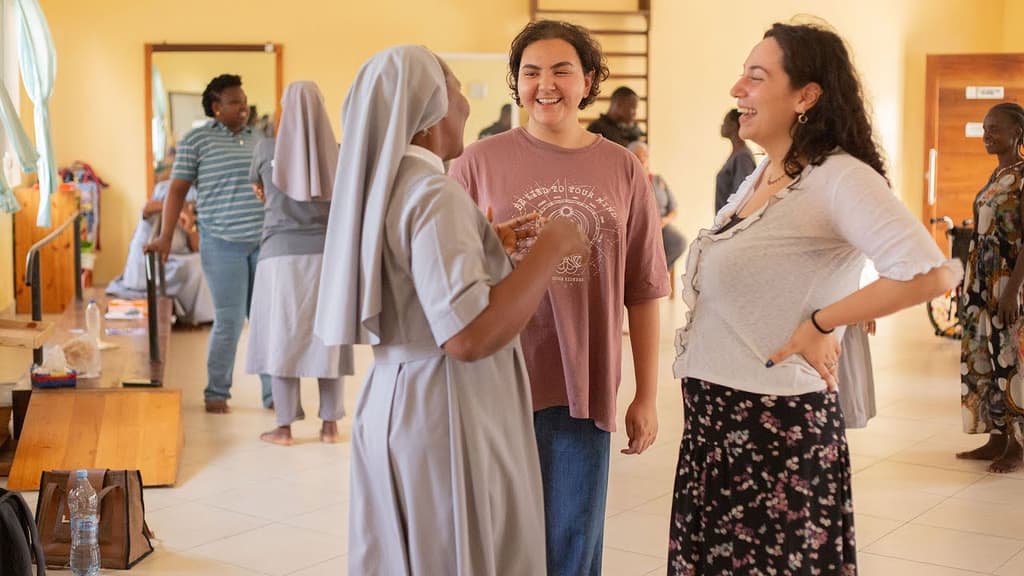
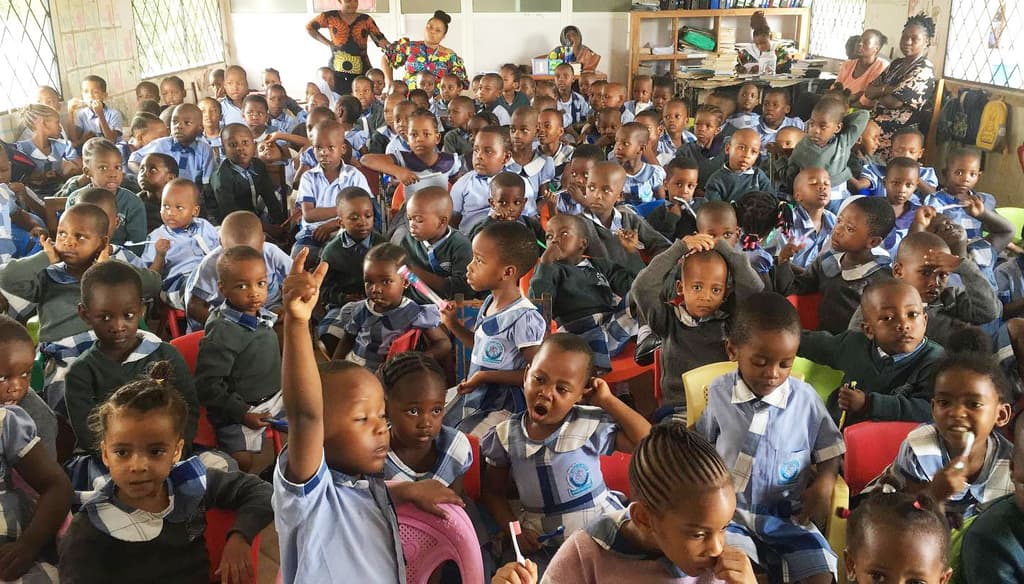
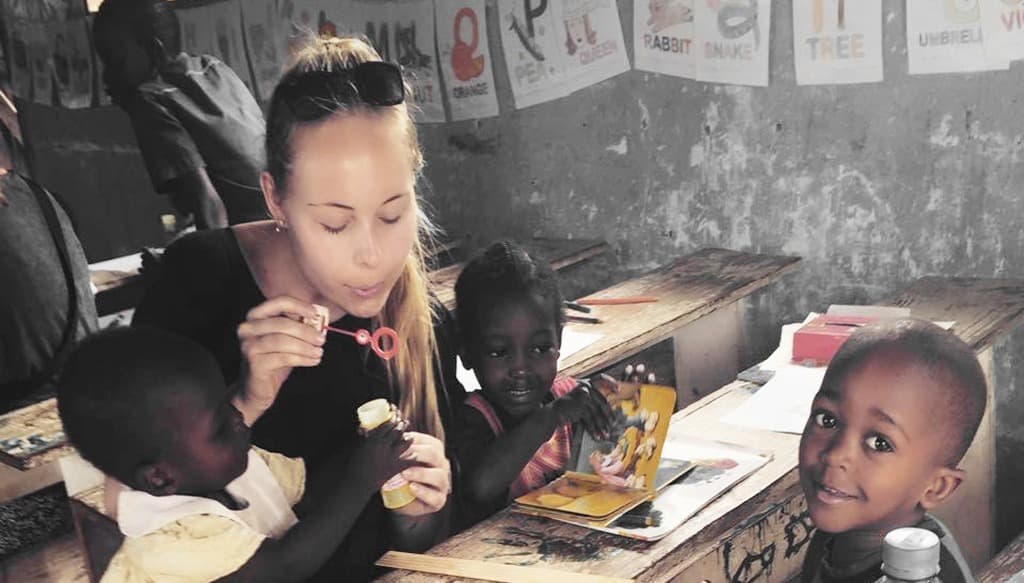
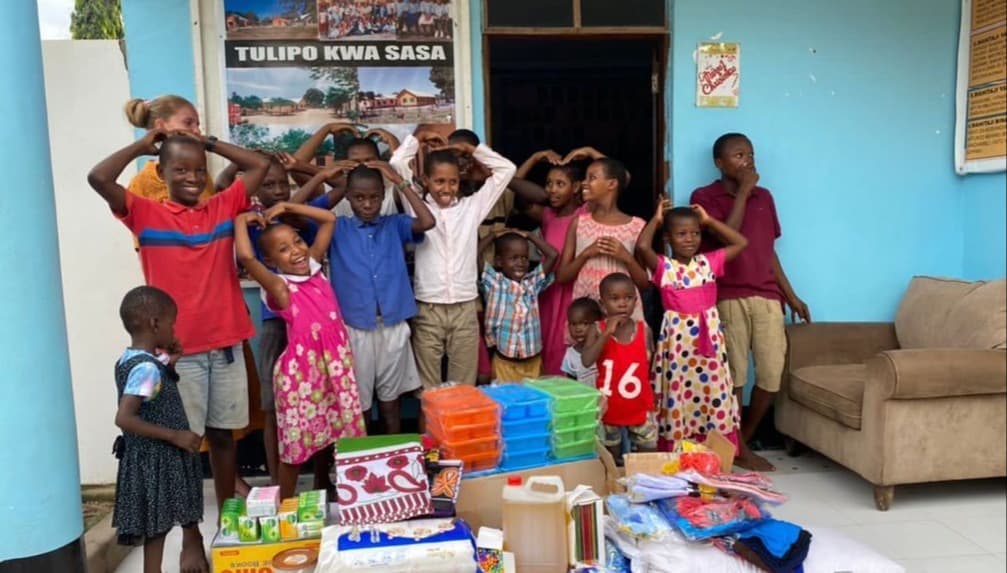
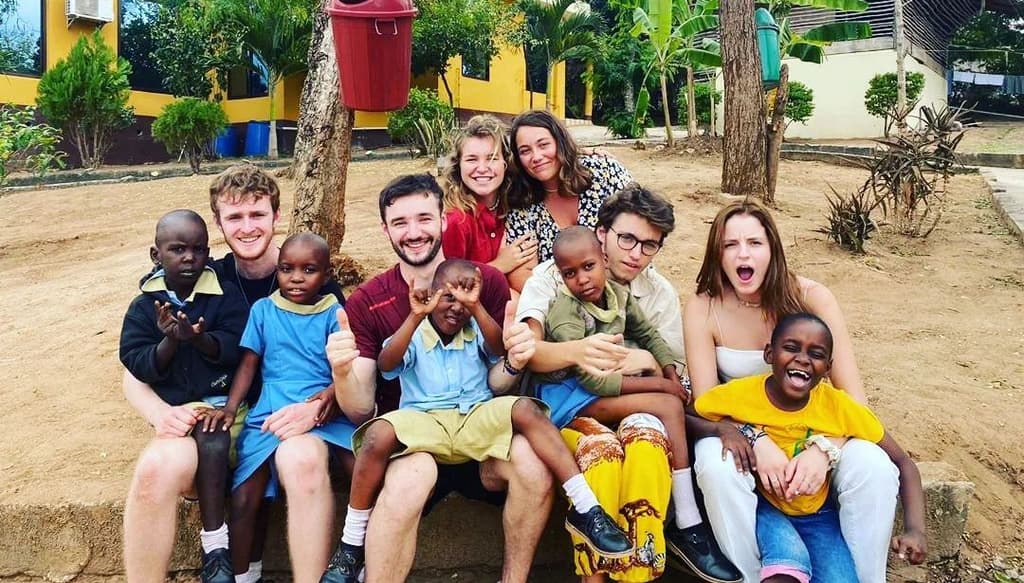
Mornings are spent in practical clinical fieldwork — in hospital wards, dispensaries, or community health facilities — working alongside Tanzanian nursing staff, supporting patient care, and gaining hands-on experience in Africa's tropical medical environment. Afternoons shift to health advocacy: delivering education sessions in schools and community groups on hygiene, nutrition, maternal health, HIV/AIDS prevention, malaria, and tuberculosis, reinforcing clinical work with community-level prevention.
What is the clinical context?
Nursing in Tanzania means working within a health system that is both challenged and resilient. Ward sizes are large, resources are limited, and the disease profile — tropical illnesses, high rates of HIV, malaria, TB, and significant maternal health needs — will broaden your clinical knowledge in ways difficult to replicate in a high-income country. You develop clinical adaptability, cross-cultural communication, and professional confidence that nursing employers everywhere recognise.
How does the placement work?
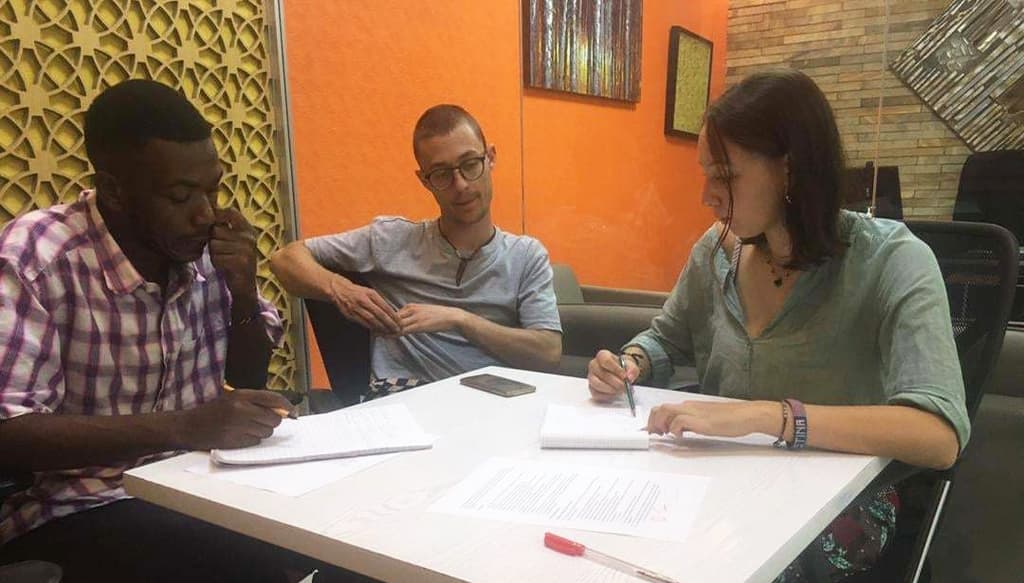
Academic-level team leaders supervise your placement daily, and a weekly planning and reporting system monitors your progress and ensures your placement delivers the documented clinical outcomes your university requires. Your placement is fully tailored to your nursing discipline, experience level, and internship focus, and students at all stages of nursing training are welcome.
Who runs the programme, and since when?
Art in Tanzania (AIT) has placed nursing students and graduates in Tanzanian dispensaries and hospitals since 1996, hosting approximately 250 participants annually. The Nursing Programme spans both facility-based clinical placements and community-facing health advocacy work.
What is life in Tanzania like during the placement?
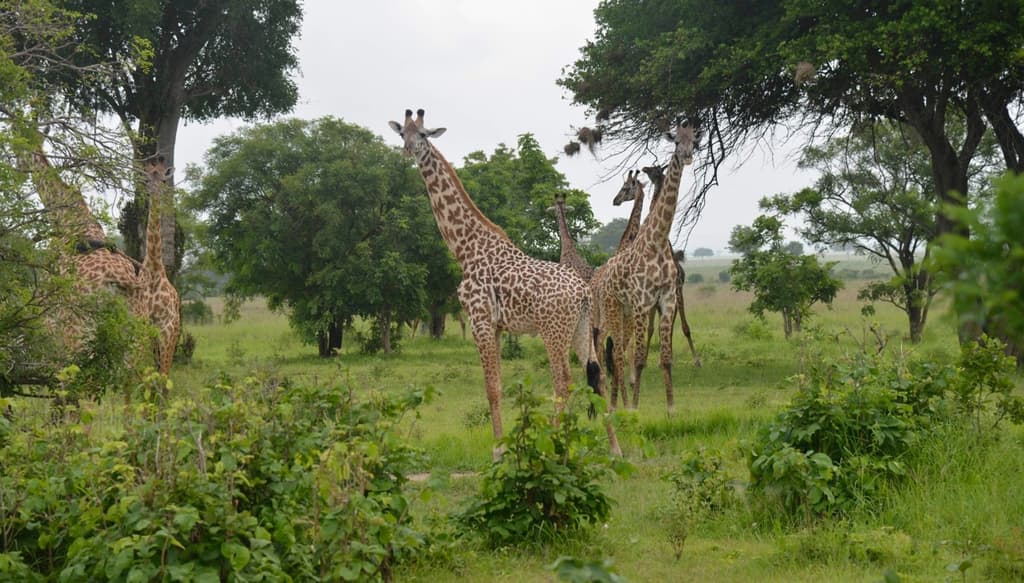
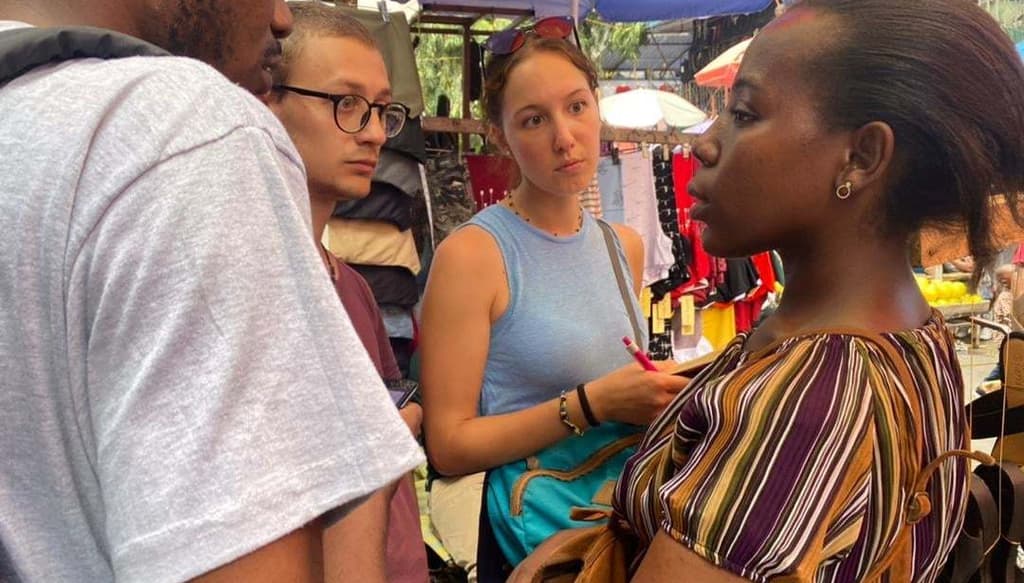
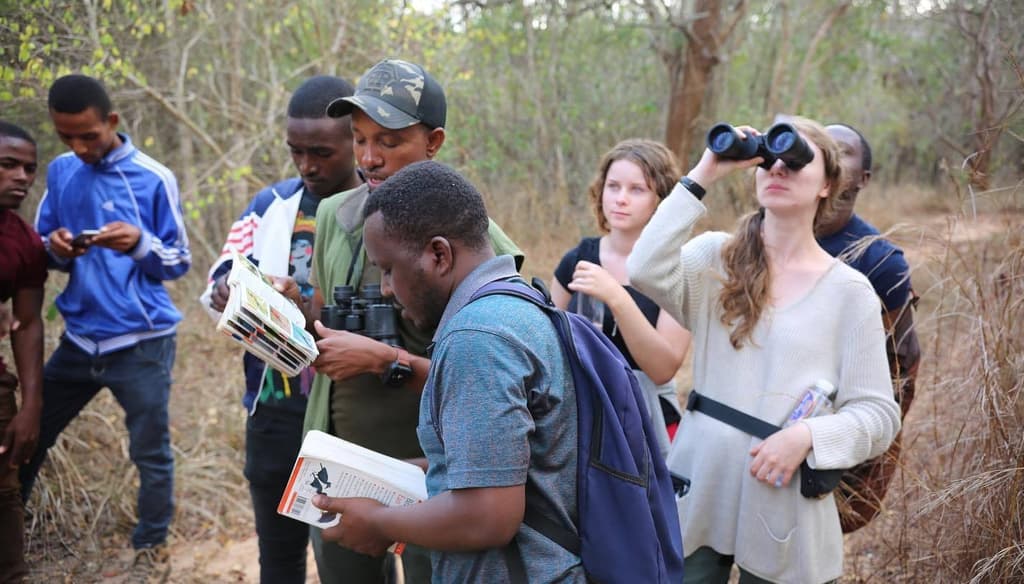
Beyond your clinical hours, Tanzania offers vibrant culture, iconic wildlife, and spectacular landscapes — from the coast to Kilimanjaro. Affordable, sustainable safaris and tours are available for you and visiting friends or family.
Can I get funding?
Yes. Erasmus+ funding may be available for this placement. Speak with your student or international office about grant options that could fully or partially fund the experience.
Frequently asked questions
Which nursing specialisations does the programme support?
BSc nursing, psychiatry and mental health nursing, GNM (general nursing and midwifery), health promotion nursing, and community nursing, among others.
Does the programme provide documented clinical outcomes?
Yes. A weekly planning and reporting system ensures your placement delivers the documented clinical outcomes your university requires.
Who can join the Nursing Programme?
Nursing students and graduates at all stages of training. AIT hosts 15–40 participants at a time from over 400 partner universities worldwide.
What conditions will I encounter?
A tropical disease profile including HIV, malaria, and tuberculosis, alongside significant maternal and newborn health needs, in large, high-volume wards.
When can I start?
The programme runs year-round, with flexible start dates and durations that can be adjusted to your clinical placement requirements.
Is funding available?
Yes — Erasmus+ funding may fully or partially cover your placement. Ask your student office about grant options.
Ready to apply?
📋 Apply now · 🌐 Visit our website · 🏡 See the compound · ✈️ Pre-travel info · 🎓 EVOLVET volunteer development programme · 💬 Read testimonials · 🎁 Benefits & perks
Get in touch
Tell us about your nursing discipline and clinical placement requirements — we'll build a programme around them.
📧 < e-mail verwijderd om veiligheidsredenen > · 📱 WhatsApp: +255 767 777 73 · 🎥 Schedule a Zoom call