Eco-Construction Programme in Tanzania — Art in Tanzania
What is it? The Eco-Construction Programme gives international students and volunteers hands-on experience in sustainable building in Tanzania — combining traditional East African materials (mud, bamboo, hay, stone, wood) with contemporary, energy-efficient design, as well as renovation, reforestation, and community infrastructure work. It is run by Art in Tanzania (AIT), a community-development NGO founded in 1996.
Where? Schools and communities around Dar es Salaam, with environmental work in the Kilimanjaro region, Tanzania.
How long? Typically 2–3 months, flexible to your schedule, with the programme running year-round.
Working hours? 6–8 hours per day, Monday to Friday — fieldwork in the mornings, planning and reporting in the afternoons.
Who joins? AIT typically hosts 15–40 international students at a time, drawn from over 1000 partner universities worldwide.
What does the Eco-Construction Programme involve?
Your days begin with hands-on fieldwork in schools and communities, with afternoons dedicated to planning, reporting, and communication. Work spans eight interconnected areas:
- Eco-construction fieldwork — building with traditional, sustainable materials — mud, hay, bamboo, wood, and stone — using techniques refined and integrated into contemporary, energy-efficient design, minimising environmental impact while maximising community benefit.
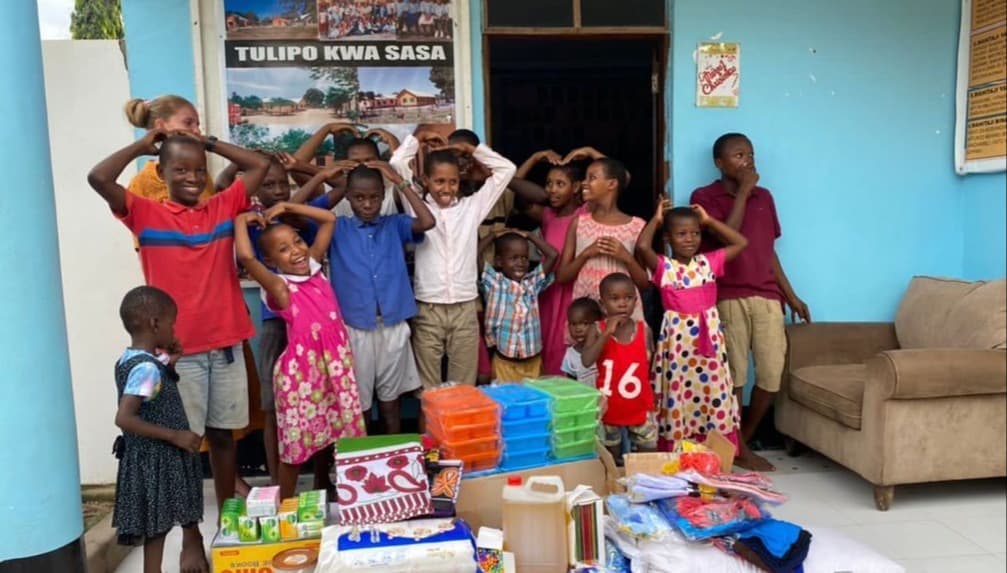
- Renovation and maintenance — repairing and upgrading community infrastructure, including school furniture, facilities, and shared spaces that serve hundreds of people daily.
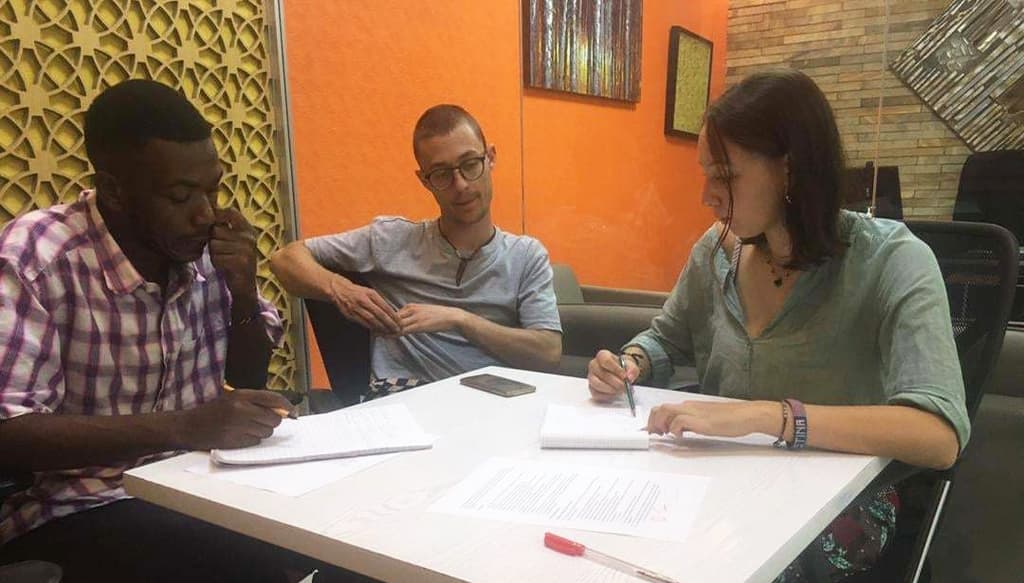
- Designing and planning — designing energy-efficient structures for community use, researching water security, and contributing to environmental project planning — applying engineering, architecture, or design training.
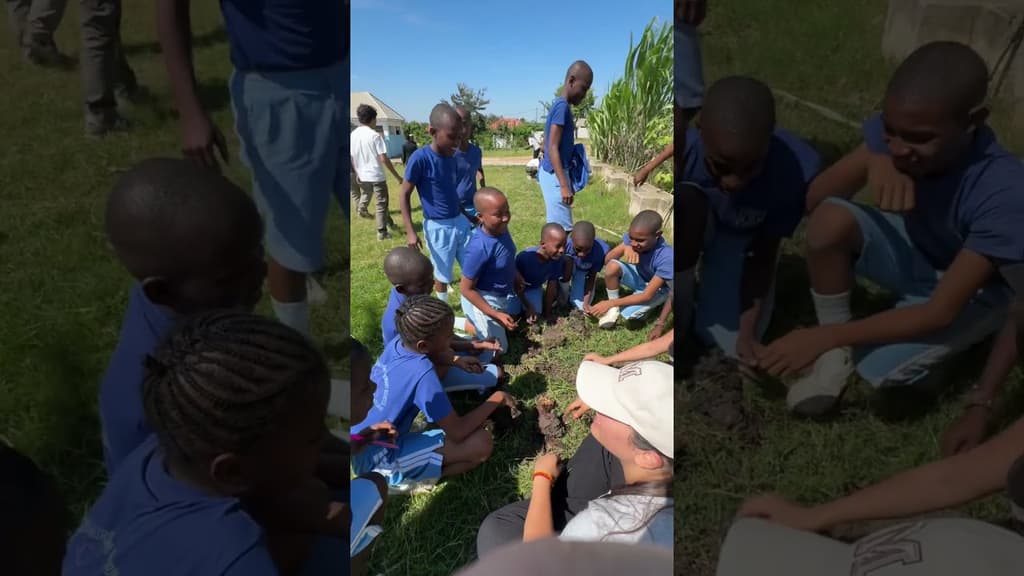
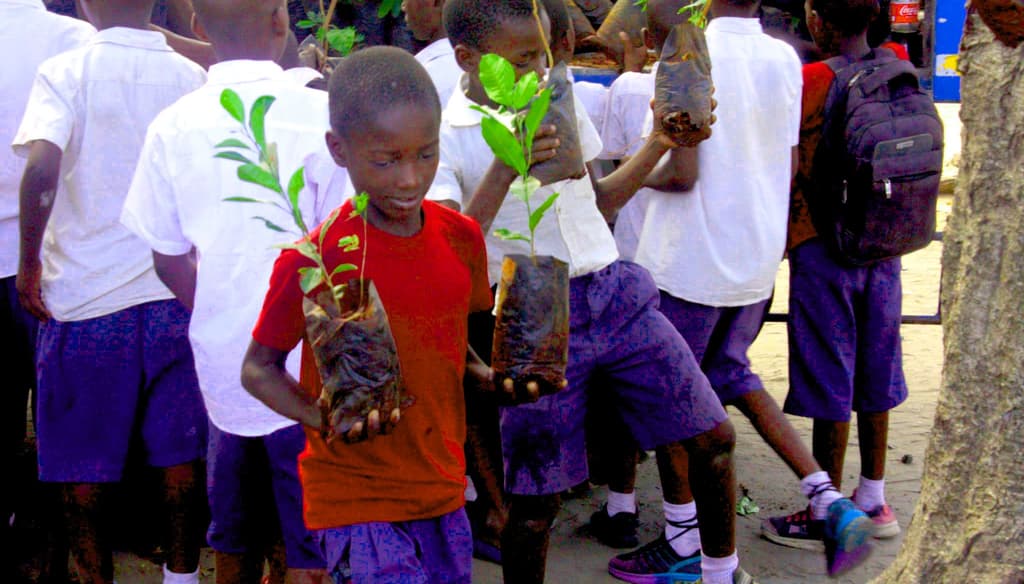
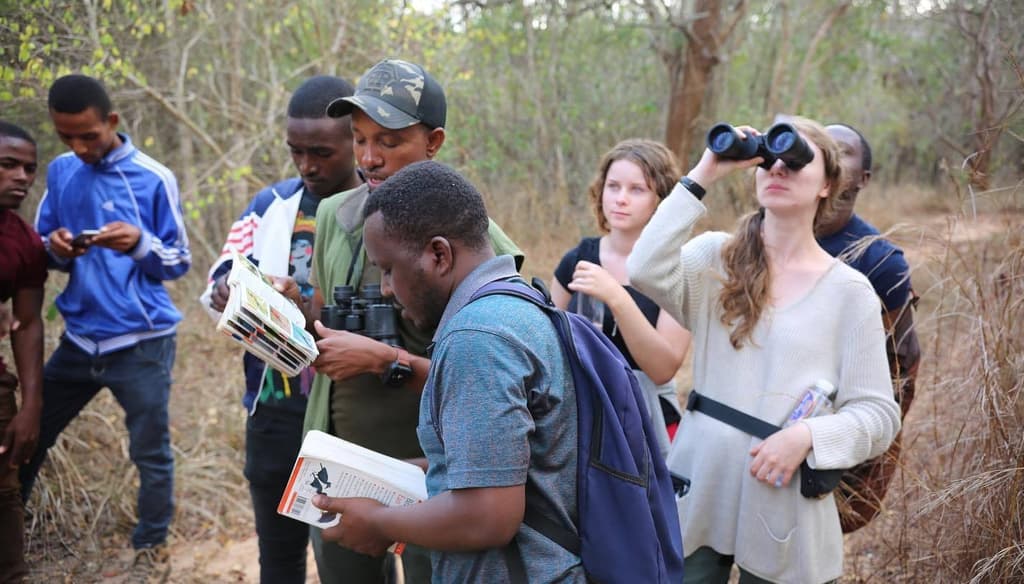
- Environmental conservation — reforestation and nursery management, particularly in the ecologically significant Kilimanjaro region, as well as environmental education activities.
- Project documentation — field data collection, progress reports, permit management, and the documentation that keeps projects accountable and fundable.
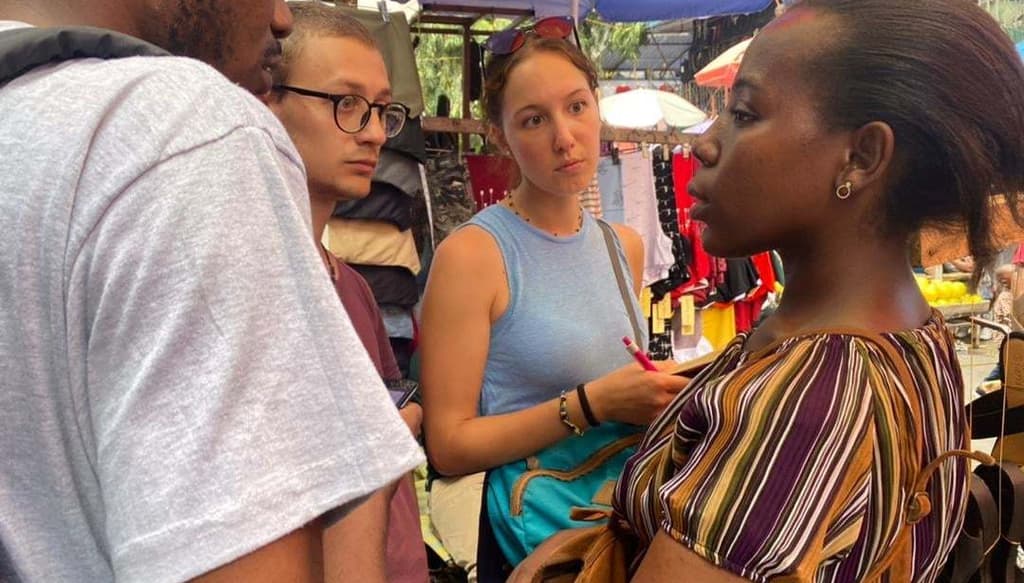
- Community engagement — working with local communities to integrate traditional construction techniques into modern sustainable projects — building trust and transferring knowledge.
- Monitoring and evaluation — tracking sustainability metrics, conducting site visits to assess environmental impact, and supporting project management.
- Social media and visibility — documenting and sharing construction progress and community stories across AIT's digital channels.
How does the placement work?
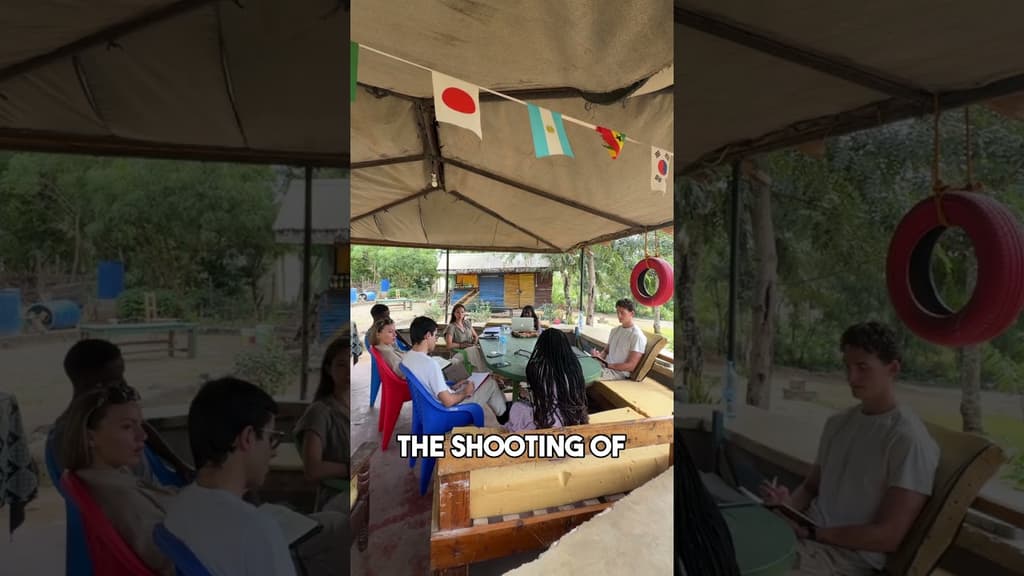
Academic-level team leaders oversee your placement daily, and a weekly planning and reporting system keeps your work on track and aligned with your academic requirements. You work as part of a multi-professional, international team that brings together students from architecture, engineering, environmental science, project management, and community development. Architecture, civil and structural engineering, environmental science, sustainable design, and project management are all excellent fits — as is any student with a practical mindset and a willingness to work with their hands.
Who runs the programme, and since when?
Art in Tanzania (AIT) has placed approximately 250 participants annually in hands-on community programmes across Tanzania since 1996. The Eco-Construction Programme is one of its most physically immersive placements, offering direct experience in sustainable building, community infrastructure, and environmental conservation.
What is life in Tanzania like during the placement?
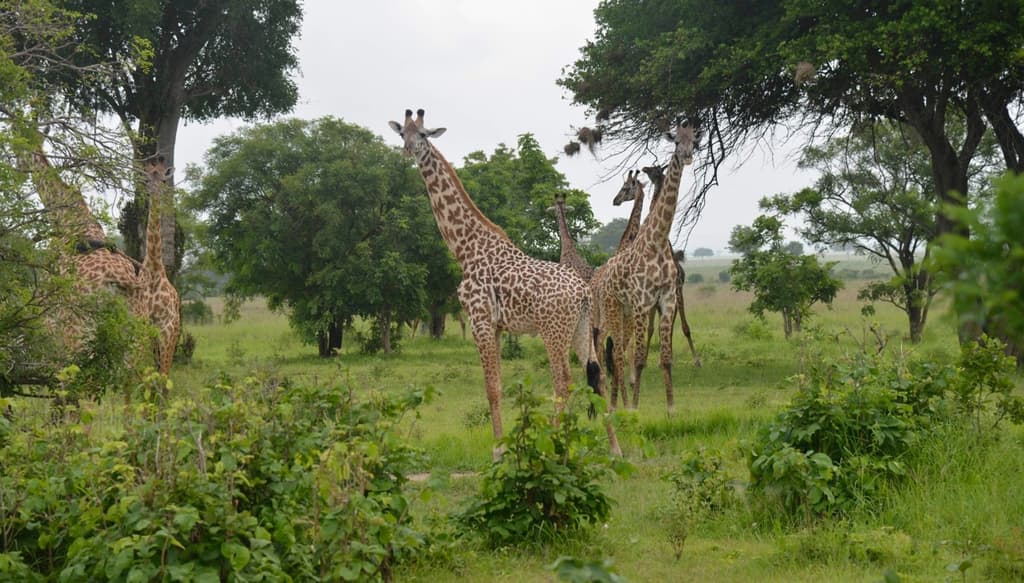
Beyond the build sites, Tanzania delivers extraordinary culture, remarkable wildlife, and some of Africa's most iconic landscapes. Affordable, sustainable safaris and tours are available for you and visiting friends or family — and the Kilimanjaro region, where some environmental work is based, is among the most spectacular places on the continent.
Can I get funding?
Yes. Erasmus+ funding may be available for this placement. Speak with your student or international office about grant options that could fully or partially fund the experience.
Frequently asked questions
What does the Eco-Construction Programme involve?
Building with traditional sustainable materials; renovation and maintenance; sustainable design and planning, reforestation and conservation, project documentation; community engagement; monitoring and evaluation; and social media visibility.
Which materials and techniques are used?
Traditional East African materials — mud, hay, bamboo, wood, and stone — are refined and integrated into contemporary, energy-efficient design.
Who can join the Eco-Construction Programme?
Students and professionals from architecture, civil and structural engineering, environmental science, sustainable design, and project management, plus any student willing to work with their hands. AIT hosts 15–40 participants at a time from over 400 partner universities worldwide.
How long is the placement?
Typically 2–3 months, flexible to your schedule, with the programme running year-round.
What are the working hours?
6–8 hours per day, Monday to Friday, with fieldwork in the mornings and planning in the afternoons.
Is funding available?
Yes — Erasmus+ funding may fully or partially cover your placement. Ask your student office about grant options.
Ready to apply?
📋 Apply now · 🌐 Visit our website · 🏡 See the compound · ✈️ Pre-travel info · 🎓 EVOLVET volunteer development programme · 💬 Read testimonials · 🎁 Benefits & perks
Get in touch
Tell us about your background and what draws you to sustainable construction — we'll shape a placement around it.
📧 < e-mail verwijderd om veiligheidsredenen > · 📱 WhatsApp: +255 767 777 73 · 🎥 Schedule a Zoom call