Philosophy Program — Art in Tanzania
Philosophy asks the questions that every other discipline takes for granted. Tanzania needs those questions asked — and its youth deserve to ask them.
What is real? What do we know, and how do we know it? What is right, and why? What does it mean to live a good life? These are not abstract puzzles reserved for university lecture halls. They are the questions that underpin how communities make decisions, how young people form values, and how societies navigate change.
In Tanzania's education system, philosophical thinking is largely absent. Art in Tanzania is changing that — and your placement puts you at the leading edge of that shift.
About the Program
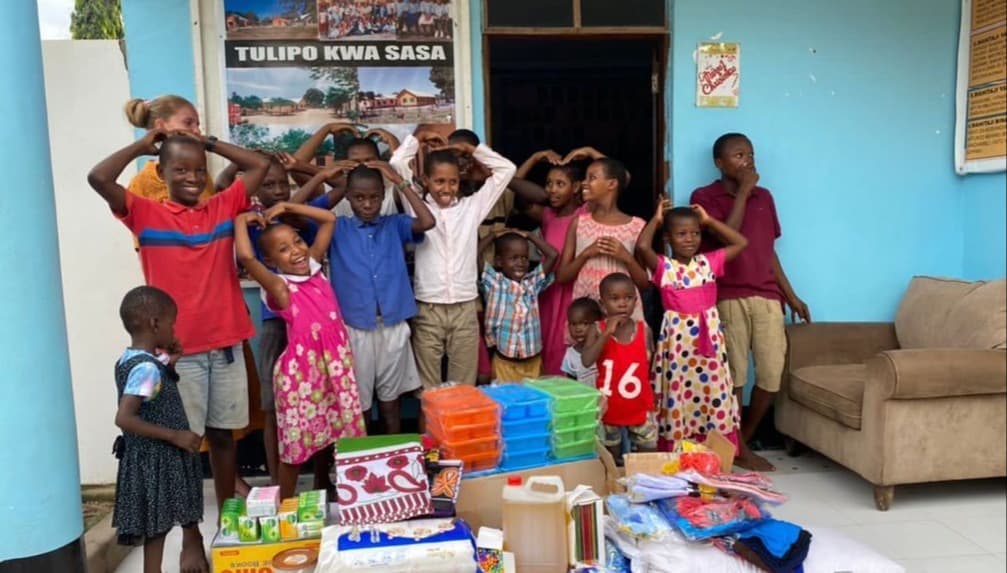
Since 1996, Art in Tanzania has placed approximately 250 participants annually in hands-on community programmes across Tanzania. Our Philosophy Program is one of our most distinctive offerings — introducing philosophical inquiry to Tanzanian youth as a practical, empowering tool for critical thinking, ethical reasoning, and independent thought.
This is not a programme about teaching Western philosophy to African students. It is a programme about introducing a method of thinking — critical inquiry, rational argument, logical analysis — that enriches education in any cultural context, and exploring what philosophy looks like when it engages seriously with African life, history, and values.
What You'll Teach & Explore
Your placement is built around the key branches and questions of philosophical inquiry, applied to the Tanzanian educational context:
🔍 Epistemology — The Nature of Knowledge: How do we know what we know? What counts as evidence? How do we distinguish knowledge from belief, and critical thinking from received wisdom? These questions are transformative for young people in any educational system — and particularly powerful in contexts where unquestioned authority has historically shaped learning.
⚖️ Ethics — Right, Wrong & How We Live Together What makes an action right or wrong? How do we navigate moral disagreement? How do cultural values and universal principles interact? Ethics is one of the most immediately relevant branches of philosophy for community development, and one of the most engaging for young people encountering it for the first time.
🌍 Metaphysics & the Nature of Reality: What exists? What is the nature of consciousness, identity, and the self? How do concepts like freedom and choice operate beyond purely biological or physical explanations? These questions bridge philosophy, science, and the lived experience of communities navigating rapid change.
🏛️ Philosophy of Education & Knowledge System:s Explore how different cultures construct and transmit knowledge — examining the differences and connections between African oral traditions, Western academic systems, and the broad historical arc of philosophy as the original "mother of all sciences," from which disciplines like physics and biology eventually separated.
🌱 African Philosophy & Local Context: Engage with the rich traditions of African philosophical thought — Ubuntu, communal ethics, oral epistemologies — and place them in dialogue with Western philosophical traditions to create a genuinely cross-cultural learning experience for Tanzanian students.
Why This Matters
Philosophical thinking is a relatively new formal approach in Tanzania's education curriculum, so your contribution here is genuinely pioneering. You are not supplementing an existing programme. You are helping build the foundation for a new way of thinking in schools and communities that have not previously had access to it.
The skills that philosophy develops — critical inquiry, logical reasoning, ethical reflection, the ability to question assumptions — are precisely the skills that empower young people to participate fully in civic life, make informed decisions, and contribute to the development of their communities and country.
How the Placement Works
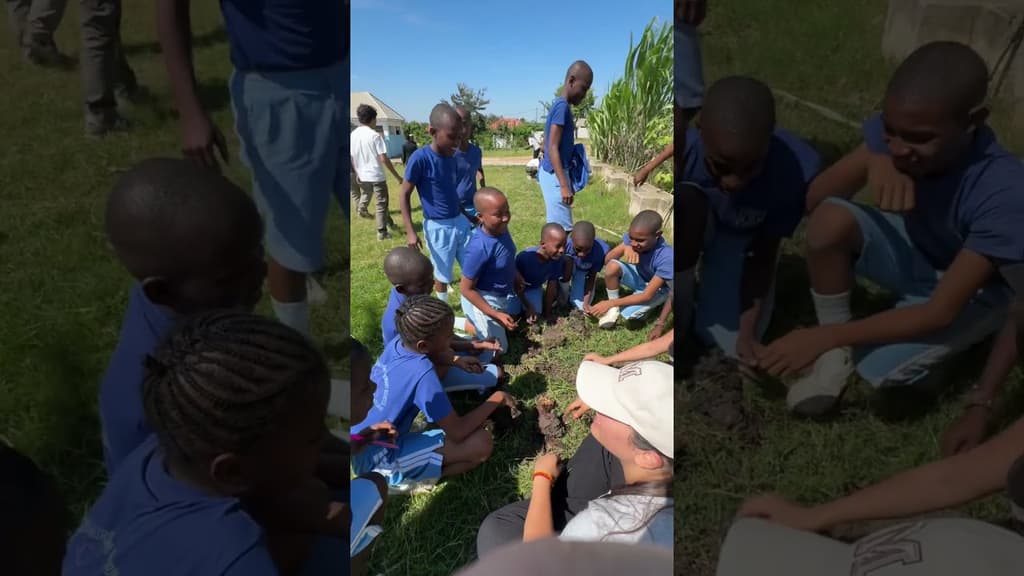
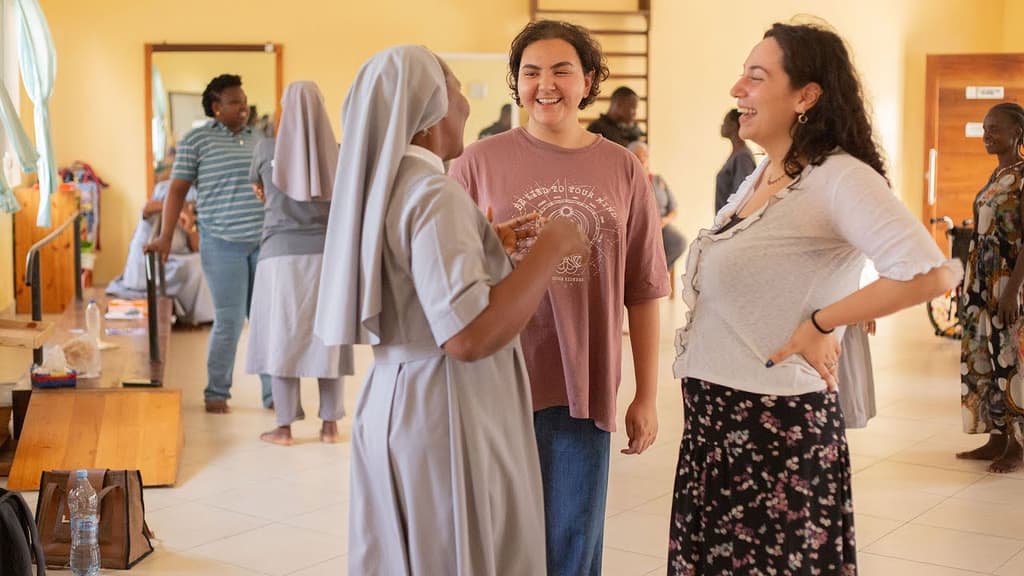
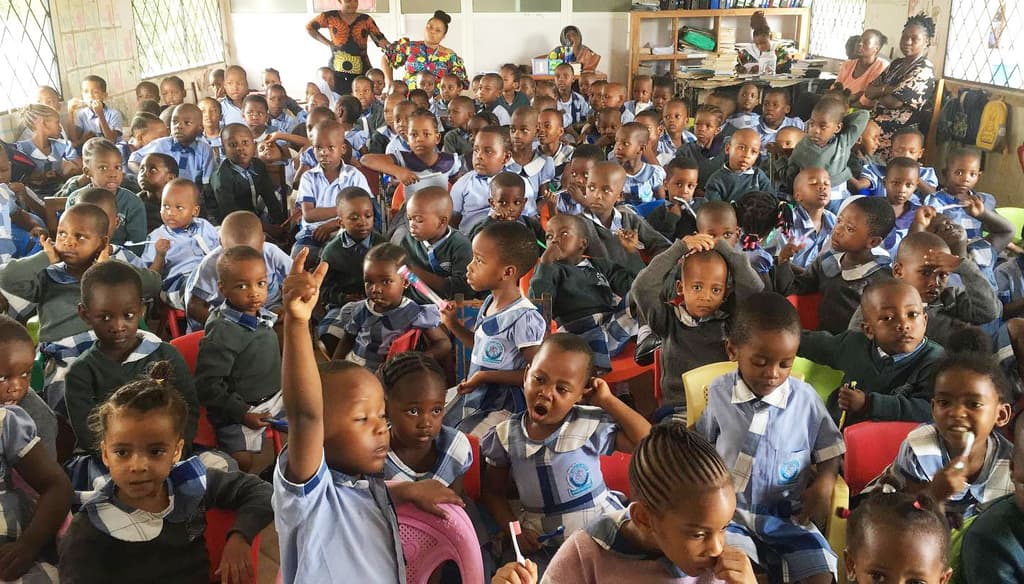
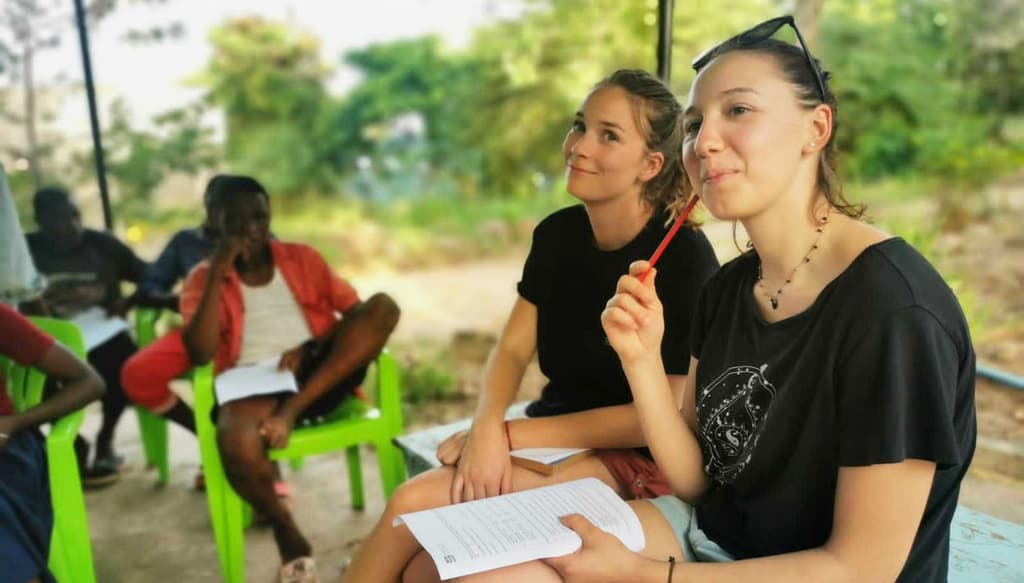
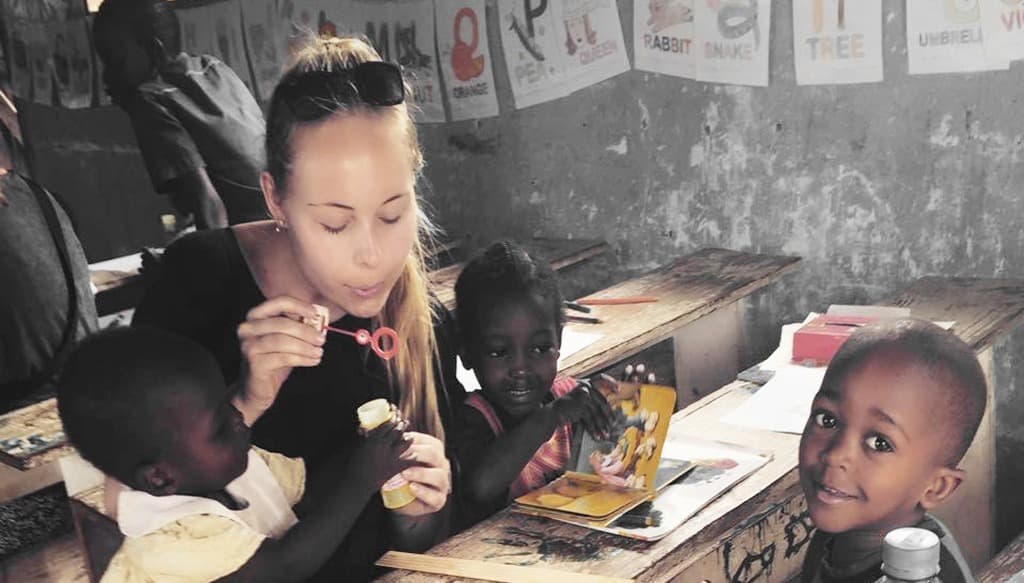
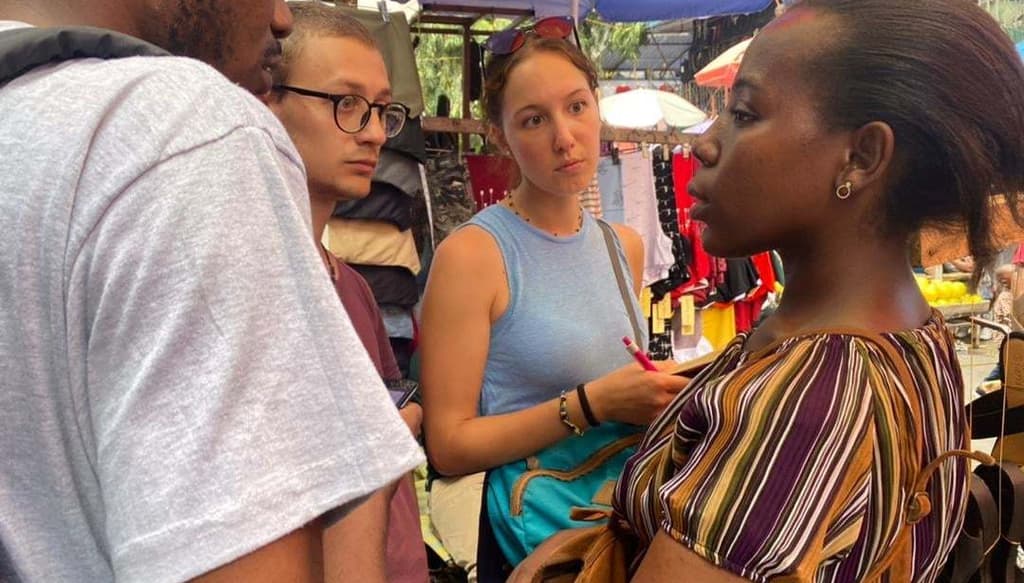
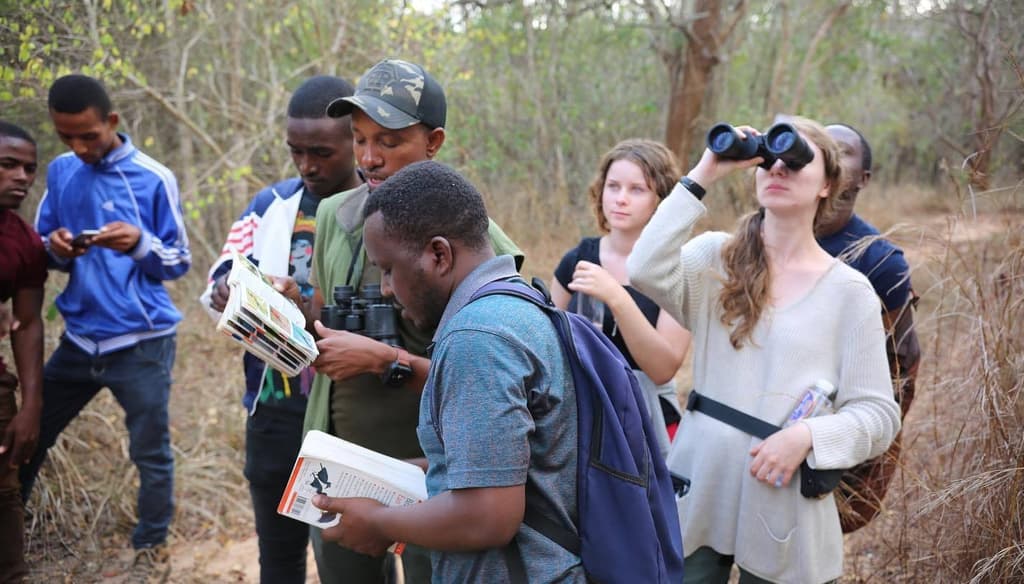
Your days combine classroom teaching and facilitation with planning, community engagement, and reporting. You will work in schools and community settings, adapting philosophical content to different age groups and educational contexts — developing your own teaching skills alongside the students' thinking skills.
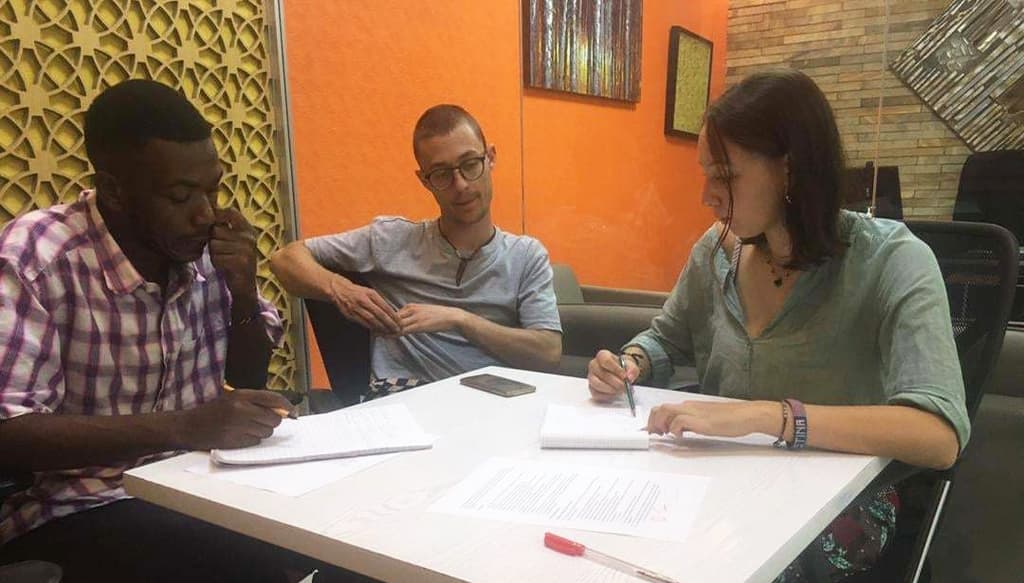
Academic-level team leaders supervise your placement daily, and a weekly planning and reporting system keeps your work structured and aligned with your academic requirements.
How It Works
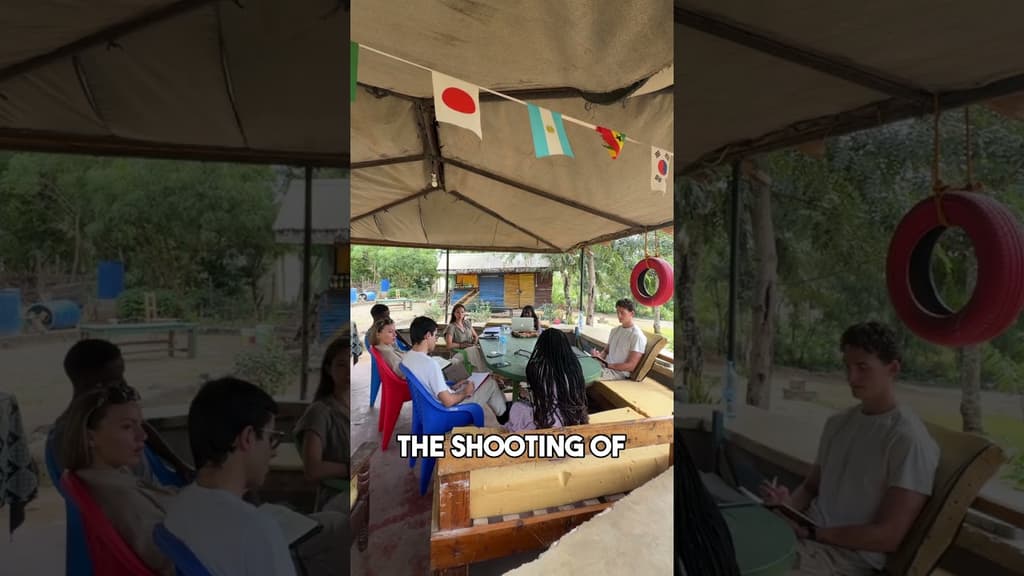
Hours: 6–8 hours per day, Monday to Friday. Start date: Flexible — the programme runs continuously year-round. Duration: Adjustable to your academic schedule and goals. Group size: 15–40 international students at any time, drawn from 400+ partner universities worldwide
Philosophy, ethics, education, social science, theology, political theory, and related disciplines are all well-suited to this programme. Students with an interest in critical pedagogy, African studies, or cross-cultural education will find particularly rich ground here.
Life in Tanzania
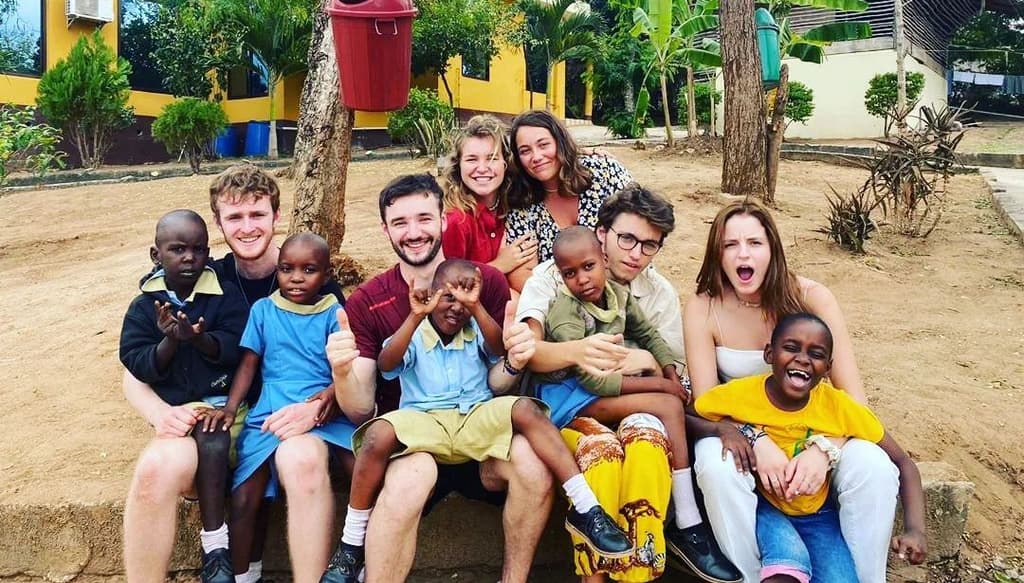
Tanzania offers an extraordinary context for philosophical reflection — a country of 120+ ethnic groups, ancient traditions, rapid modernisation, and profound questions about identity, justice, and what kind of future its communities want to build. Beyond the intellectual richness, the natural beauty and cultural vibrancy of daily life here are unlike anywhere else.
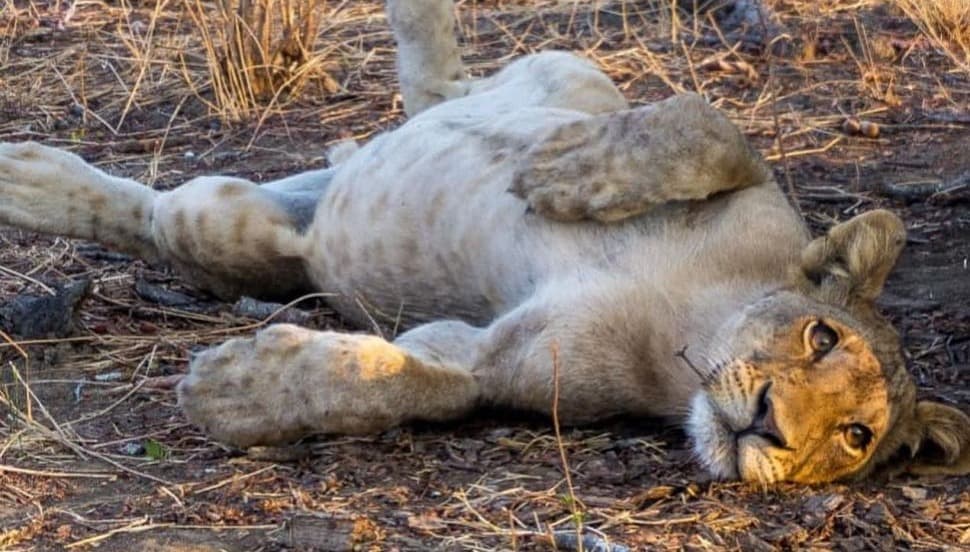
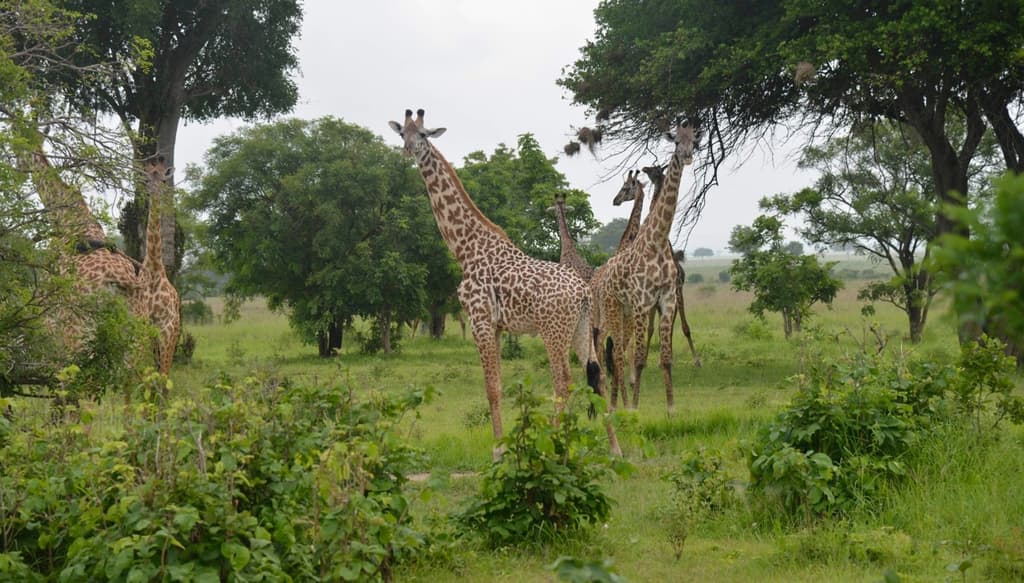
Affordable, sustainable safaris and tours are available for you and visiting friends or family.
Funding
Erasmus+ funding may be available for this placement. Speak to your student office about grant options that could make this experience fully or partially funded.
Ready to Apply?
📋 Apply now 🌐 Visit our website 🏡 See the compound ✈️ Pre-travel info 🎓 EVOLVET volunteer development programme 💬 Read testimonials 🎁 Benefits & perks
Get in Touch
Tell us about your philosophical focus and what you want to explore — we'll shape a placement around it.
📧 < email slettet af sikkerhedsmæssige årsager > 📱 WhatsApp: +255 767 777 73 🎥 Schedule a Zoom call — reach out by email