Community & Clinical Psychology Programme in Tanzania — Art in Tanzania
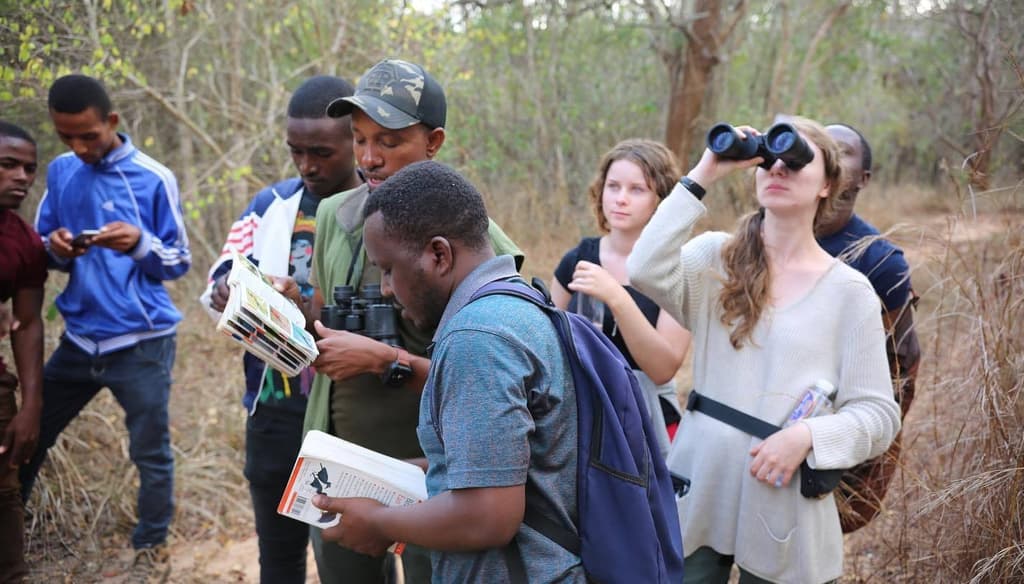
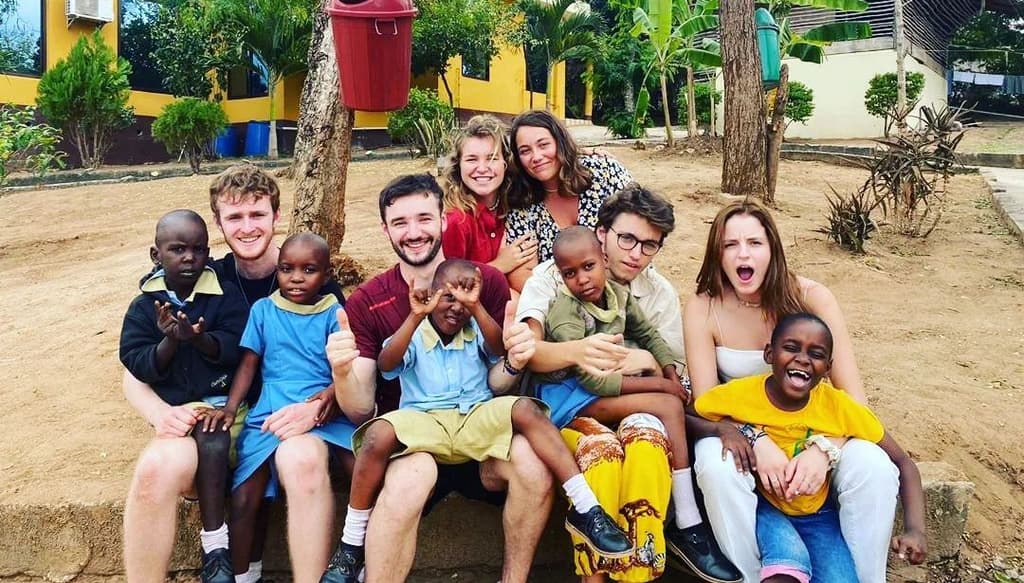
What is it? The Community & Clinical Psychology Programme places international students and volunteers at the intersection of grassroots development and applied psychology in Tanzania — working with underserved populations across education, women's initiatives, human rights, and social inclusion. Supervised clinical placements are available for students with relevant backgrounds. It is run by Art in Tanzania (AIT), a community-development NGO founded in 1996.
Where? Communities, schools, and community centres around Dar es Salaam, Tanzania.
How long? Flexible — the programme runs continuously year-round, with duration adjustable to your academic schedule and goals.
Working hours? 6–8 hours per day, Monday to Friday.
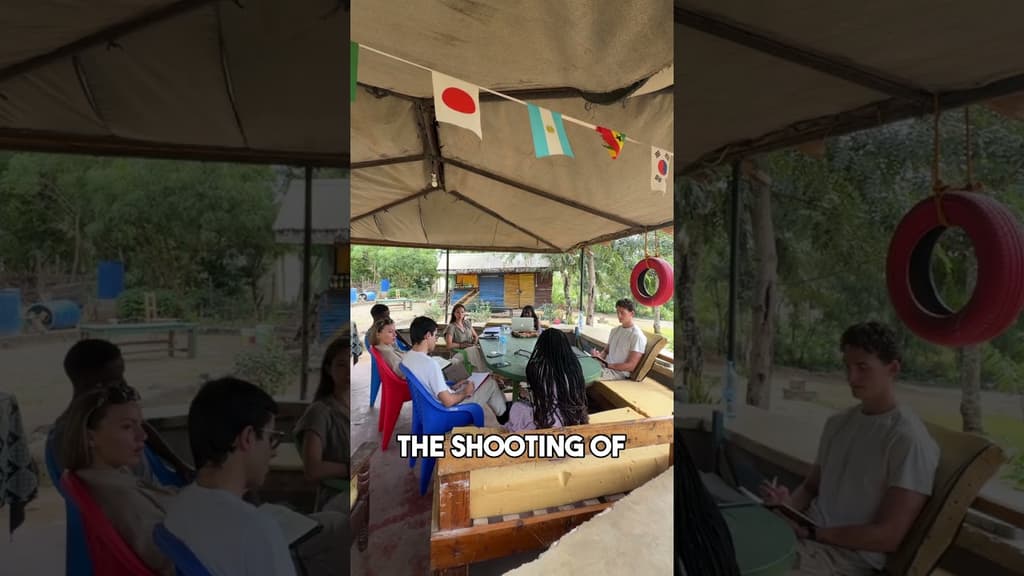
Who joins? AIT typically hosts 15–40 international students at a time, drawn from over 1000 partner universities worldwide.
Who will I work with?
The programme serves some of the most underserved and overlooked populations in Tanzania:
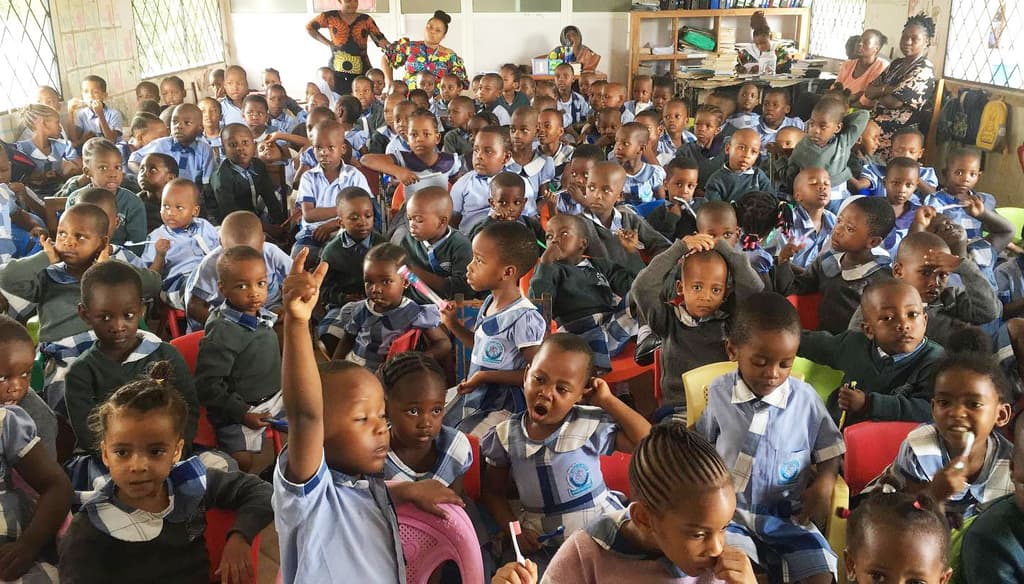
- Children and young people living in poverty
- Children and youth with disabilities
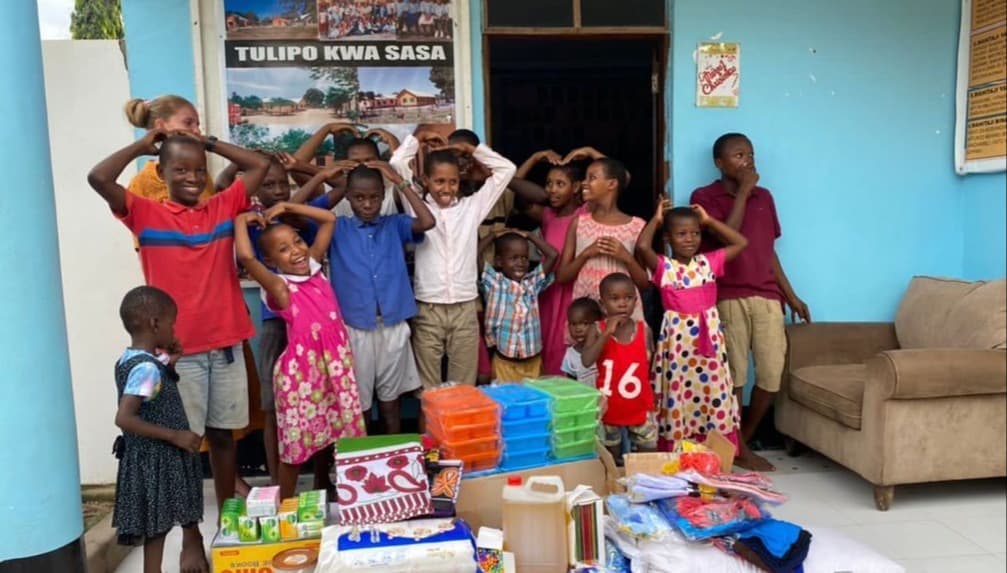
- Orphaned children
- Unemployed youth
- Women in poverty
- People living with HIV
- Individuals recovering from trauma
- People in addiction recovery
- Older adults
- Communities engaged in arts, education, and cultural initiatives
Clinical placements are also available for students with relevant academic backgrounds who need supervised practice experience.
What does the programme involve?
The programme spans a broad and interconnected range of focus areas:
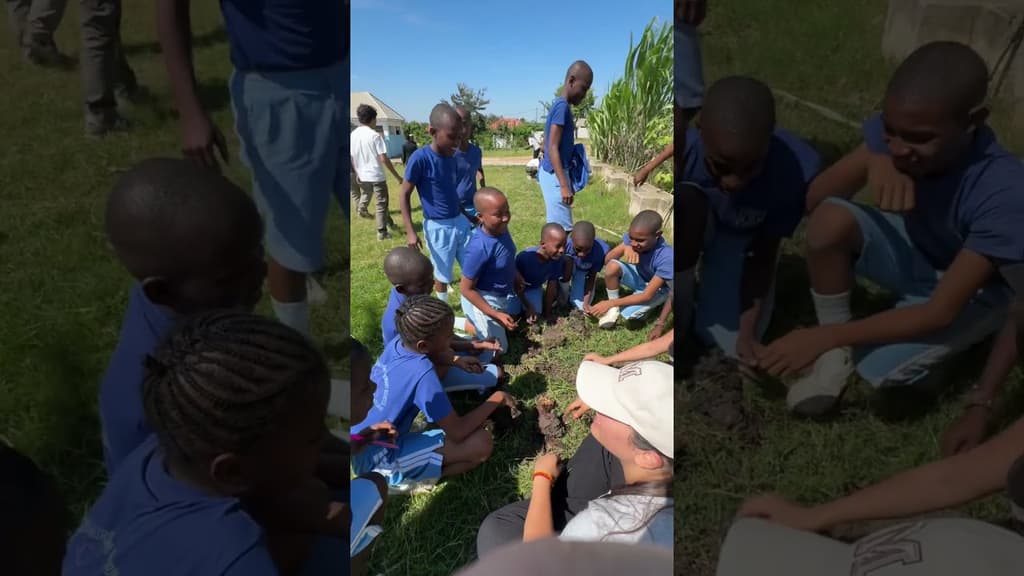
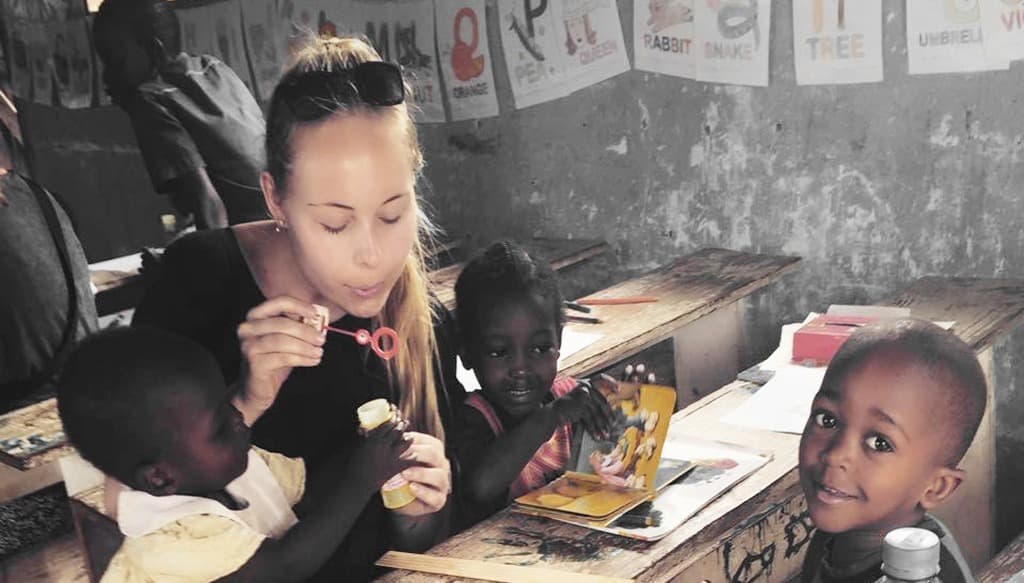
- Educational programmes — supporting learning and development in under-resourced schools and community centres.
- Women's initiatives — empowering women through skills development, advocacy, and peer support.
- Human rights work — raising awareness and supporting access to rights-based services.
- Corporate social responsibility projects — partnering with private-sector organisations on community impact initiatives.
- Grassroots development activities — building local capacity across health, wellbeing, and social inclusion.
AIT also uses its social media platforms — including a Facebook following of over 50,000 — as active advocacy tools, so your work can reach far beyond the communities you directly serve. Daily work includes practical fieldwork, programme planning, reporting, and community visibility activities.
How does the placement work?
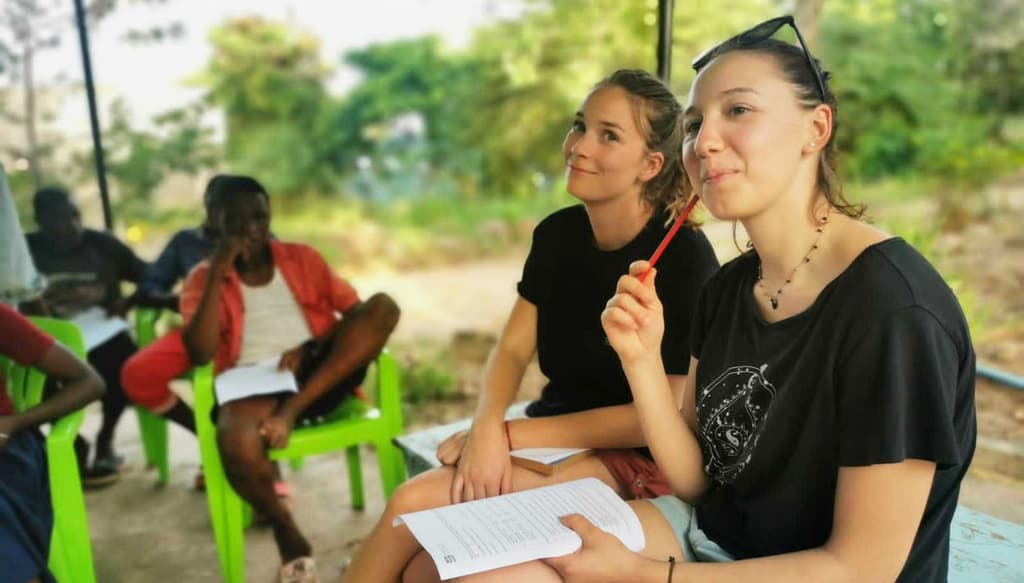
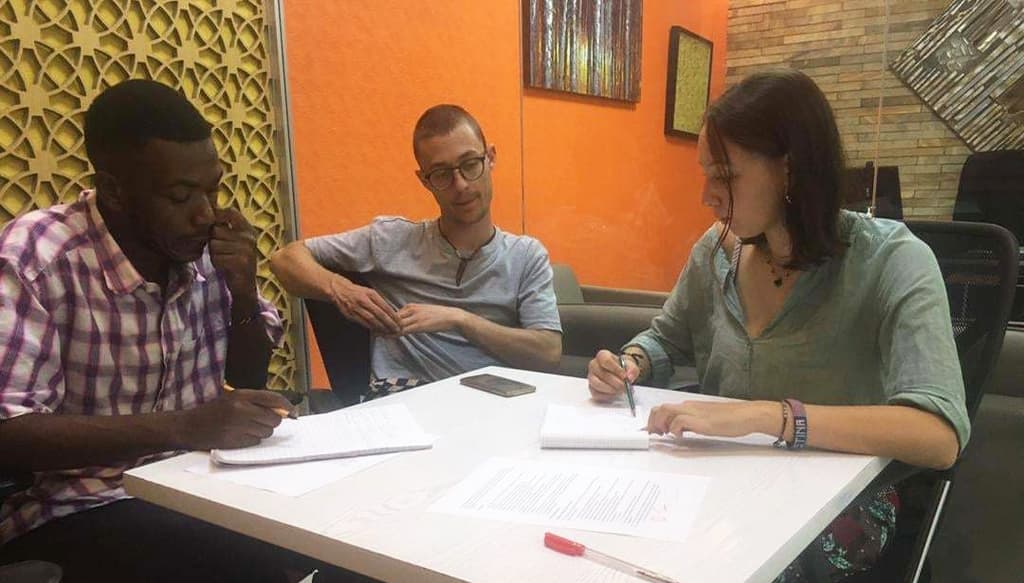
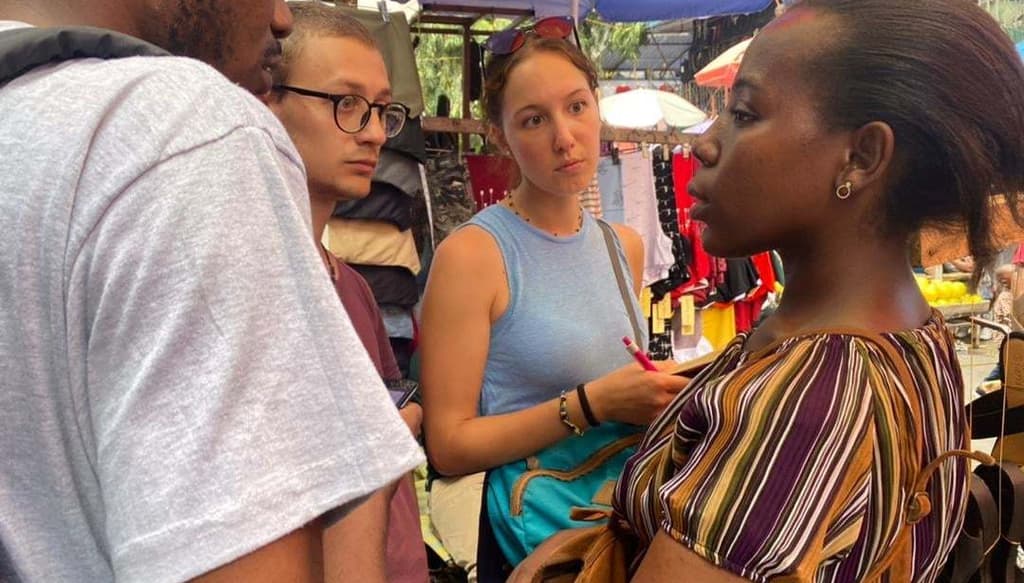
Your placement is fully customised to your academic background, professional experience, and interests. Psychology, social work, public health, education, counselling, human rights, and sociology are all welcome and valuable. Community psychology is about connection — using skills and tools to engage meaningfully with people in their own environment, on their own terms.
Who runs the programme, and since when?
Art in Tanzania (AIT) has welcomed approximately 250 participants each year into meaningful community placements across Tanzania since 1996. This programme sits at the heart of AIT's mission: empowering students to do real work, with real communities, under real conditions.
What is life in Tanzania like during the placement?
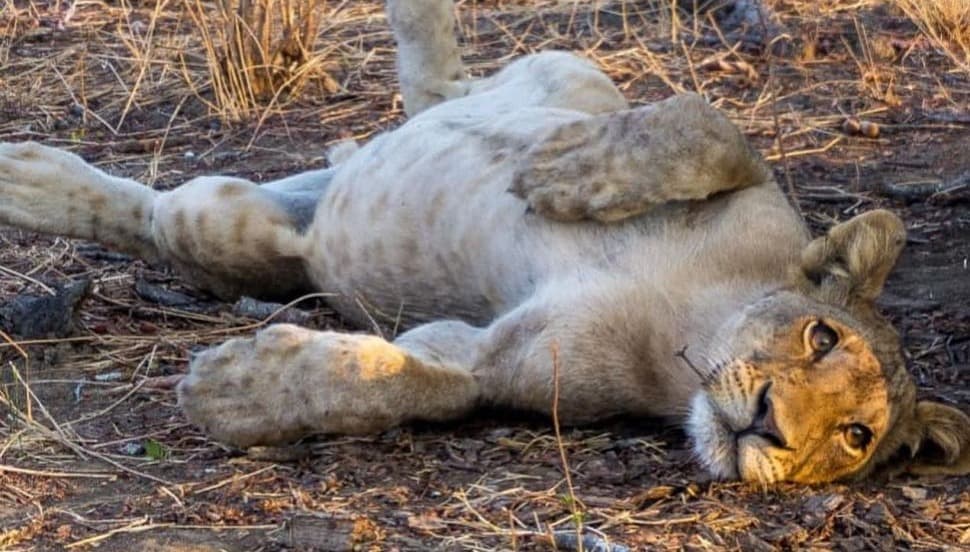
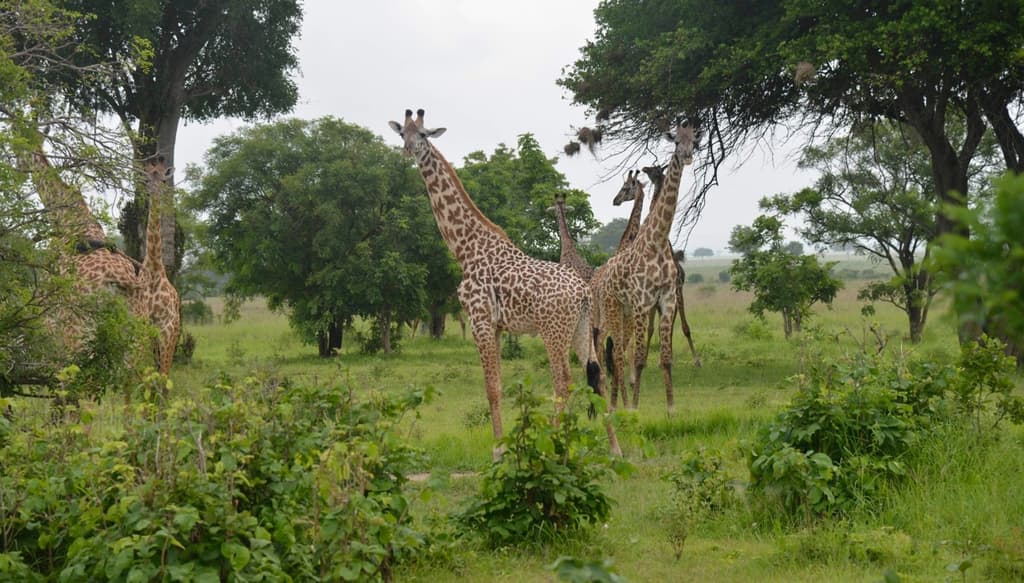
Alongside your programme, you experience one of Africa's most extraordinary cultures, landscapes, and wildlife. Affordable, sustainable safaris and tours are available for you and any visiting friends or family.
Can I get funding?
Yes. Erasmus+ funding may be available for this placement. Contact your student or international office to explore grant options that could fully or partially fund the experience.
Frequently asked questions
Who does the Community & Clinical Psychology Programme serve?
Underserved populations include children and youth in poverty, children and youth with disabilities, orphaned children, unemployed youth, women in poverty, people living with HIV, individuals recovering from trauma, people in addiction recovery, and older adults.
Are clinical placements available?
Yes. Supervised clinical placements are available for students with relevant academic backgrounds who need supervised practice experience.
Who can join the programme?
Students and professionals from psychology, social work, public health, education, counselling, human rights, and sociology. AIT hosts 15–40 participants at a time from over 400 partner universities worldwide.
What are the working hours?
6–8 hours per day, Monday to Friday.
When can I start?
The programme runs continuously year-round, with flexible start dates and adjustable duration.
Is funding available?
Yes — Erasmus+ funding may fully or partially cover your placement. Ask your student office about grant options.
Ready to apply?
📋 Apply now · 🌐 Visit our website · 📷 See the compound · ✈️ Pre-travel info · 📖 EVOLVET volunteer development programme · 💬 Read testimonials
Get in touch
Have questions? We'd love to hear from you.
📧 < email slettet af sikkerhedsmæssige årsager > · 📱 WhatsApp: +255 767 777 73 · 🎥 Schedule a Zoom meeting