Research & Thesis Programme in Tanzania — Art in Tanzania
What is it? The Research & Thesis Programme supports students and graduates conducting academic fieldwork in Tanzania — with data management, interview arrangement, daily academic supervision, and structured planning. Research can run alongside an internship placement or as a standalone programme. It is run by Art in Tanzania (AIT), a community-development NGO founded in 1996.
Where? Communities and partner organisations around Dar es Salaam, Tanzania.
How long? Fully flexible — all programmes run year-round, and your timeline can be shaped around your university's submission calendar.
Format? Alongside an internship placement, or as a standalone research programme.
Who joins? AIT hosts approximately 250 participants annually, drawn from over 1,000 partner universities worldwide across many disciplines.
How does the programme support my research?
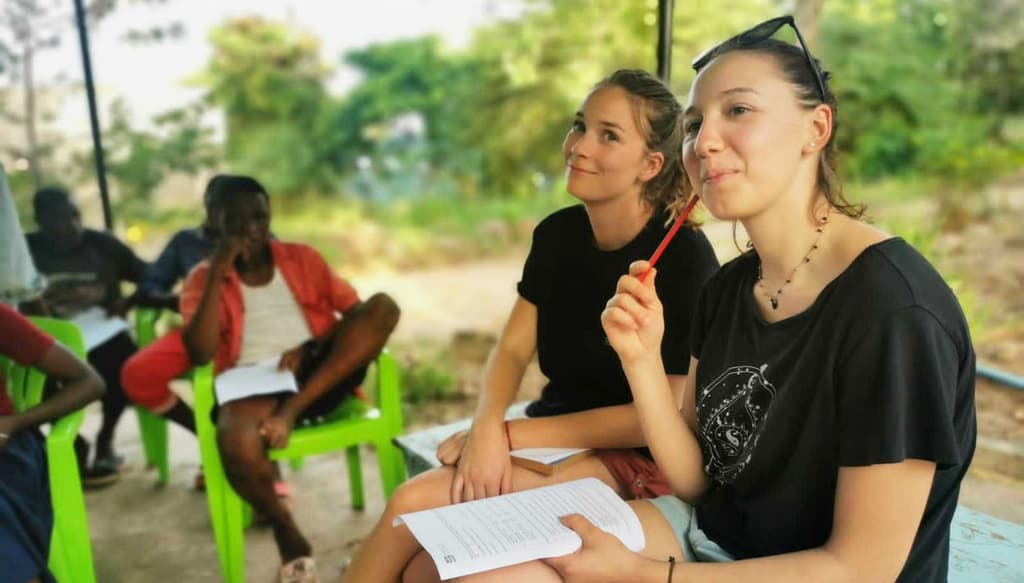
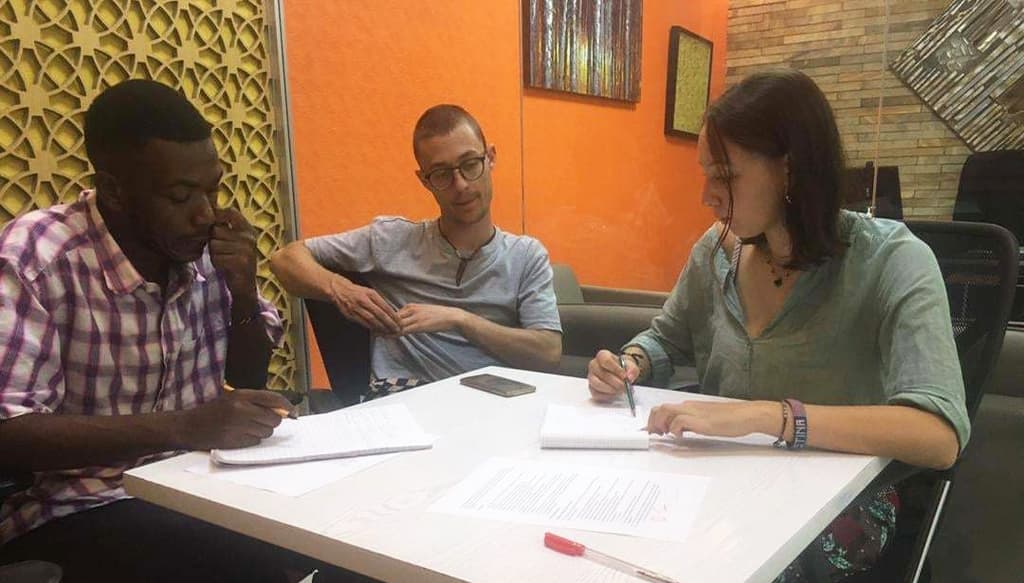
Research and thesis work can be undertaken alongside an internship placement or as a standalone programme, depending on your academic requirements and timeline. AIT provides hands-on support throughout, including:
- Data entry and data management — practical assistance with organising and managing your research data.
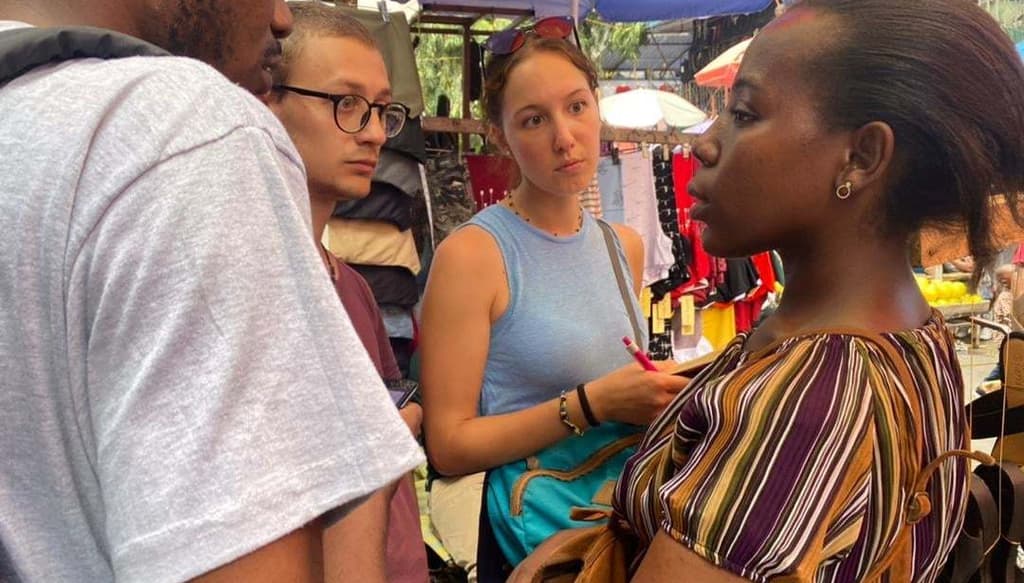
- Meeting and interview arrangement — connecting you with relevant community members, partner organisations, and institutional contacts.
- Daily academic supervision — guidance from academic-level team leaders who understand both the local context and the demands of academic research.
- Weekly planning and reporting — keeping your work structured and on track for your submission deadlines.
Your programme is fully tailored to your research topic, methodology, and academic requirements, with support before and during your placement.
What research themes does the programme fit?
AIT's programmes span a wide range of development sectors, making it a productive research environment across disciplines, including but not limited to:
- Community and clinical psychology
- Public health and epidemiology
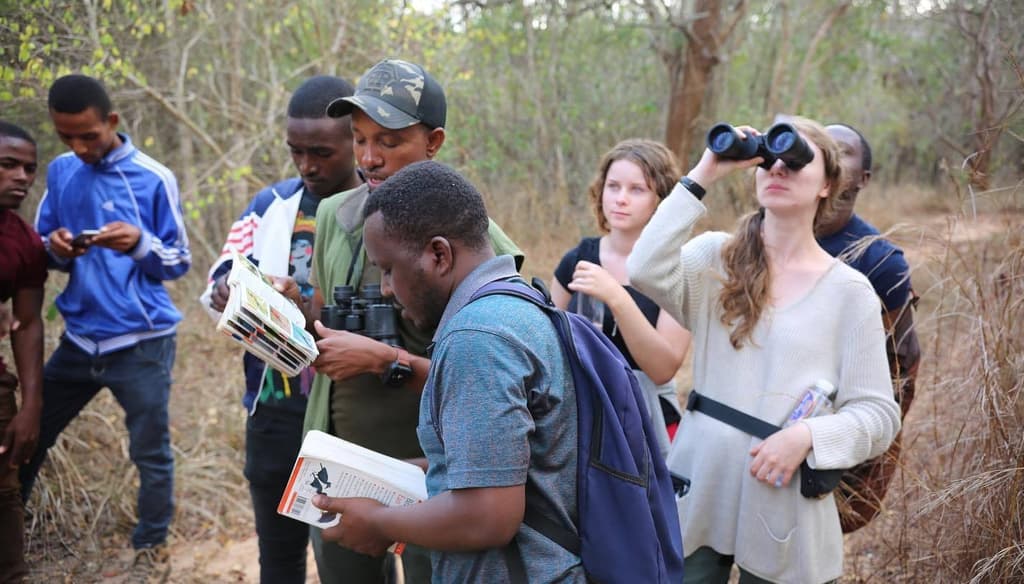
- Environmental science and climate change
- Gender studies and women's rights
- Human rights and international law
- International development and relations
- Business, entrepreneurship, and CSR
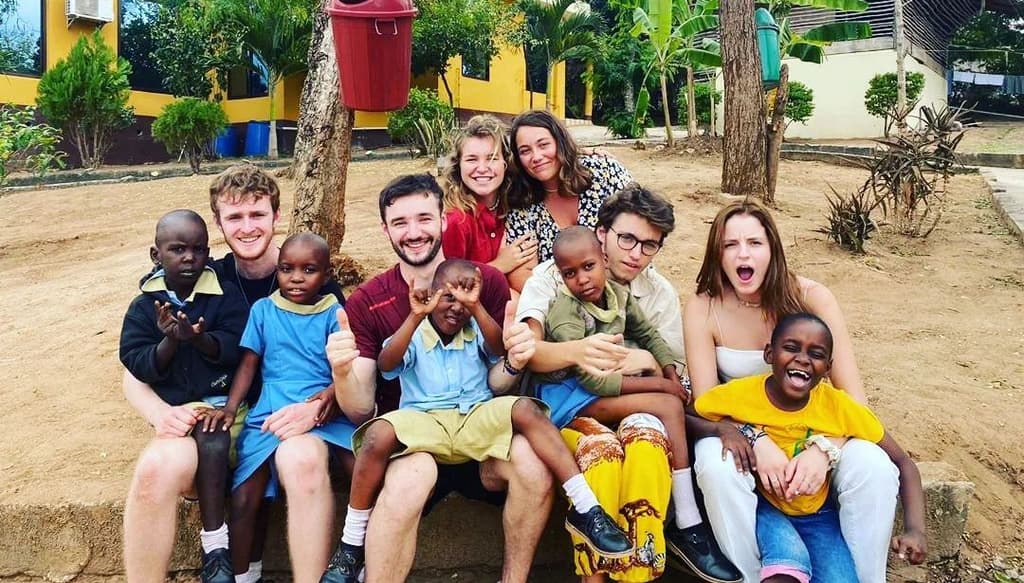
- Education and vocational training
- Disaster management and resilience
If your research connects to community development, sustainable development, or life in a fast-growing East African economy, there is almost certainly a relevant placement pathway.
How is the placement structured?
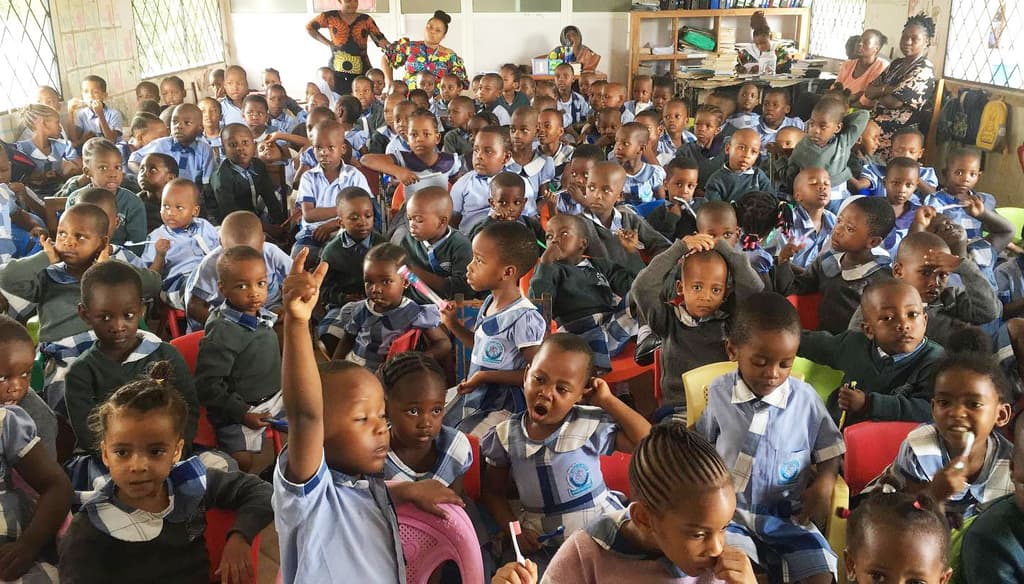
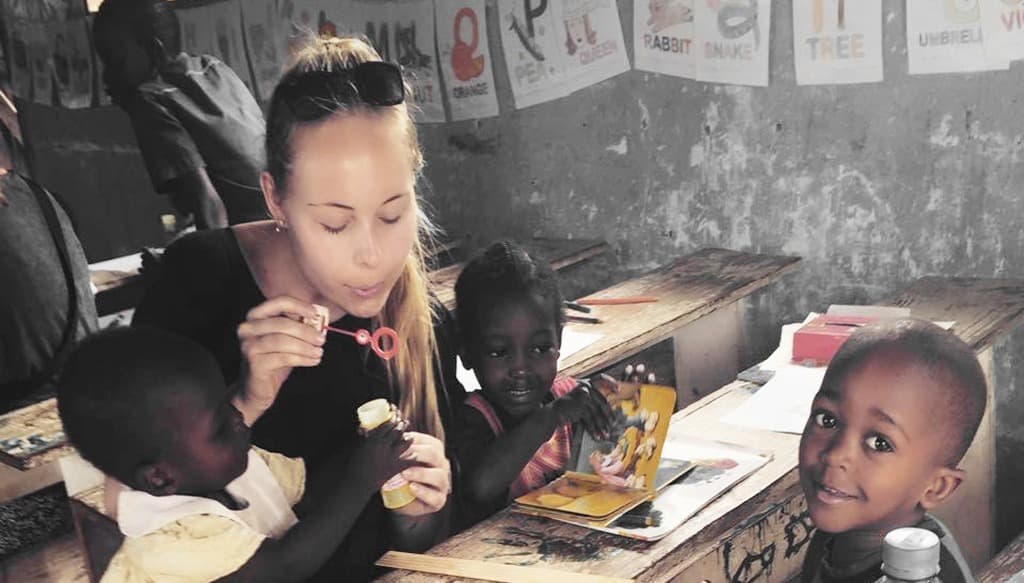
Academic-level team leaders oversee your daily work and guide your placement, with progress tracked through a weekly planning and reporting system that keeps you accountable, supported, and on schedule. Start and end dates are fully flexible; all programmes run year-round and can be shaped around your submission calendar and any other travel plans in Tanzania.
Who runs the programme, and since when?
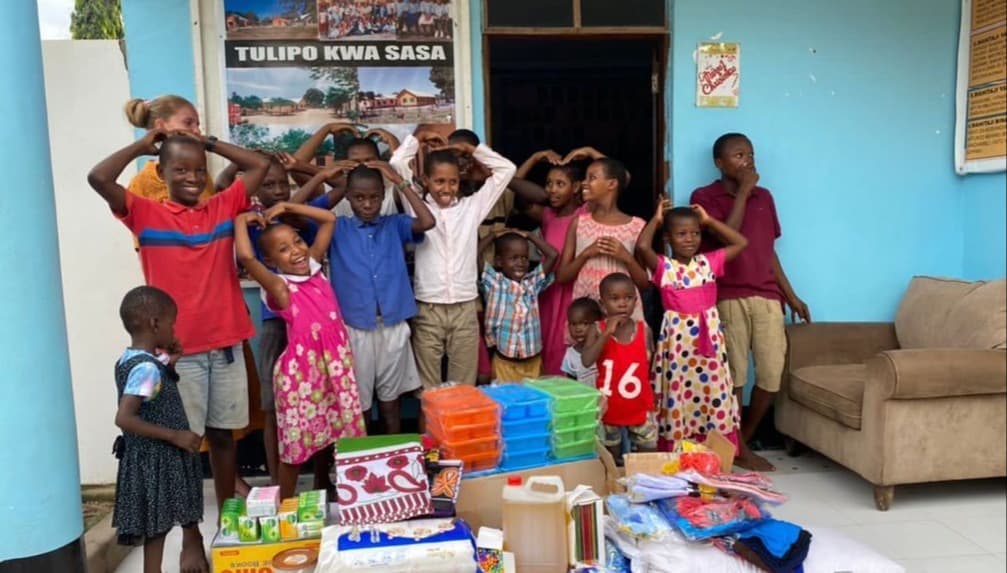
Art in Tanzania (AIT) is a self-sustaining non-profit NGO with nearly three decades of continuous community development work across Tanzania. He has supported research and thesis work since 1996 — logistically, academically, and in the field.
What is life in Tanzania like during the placement?
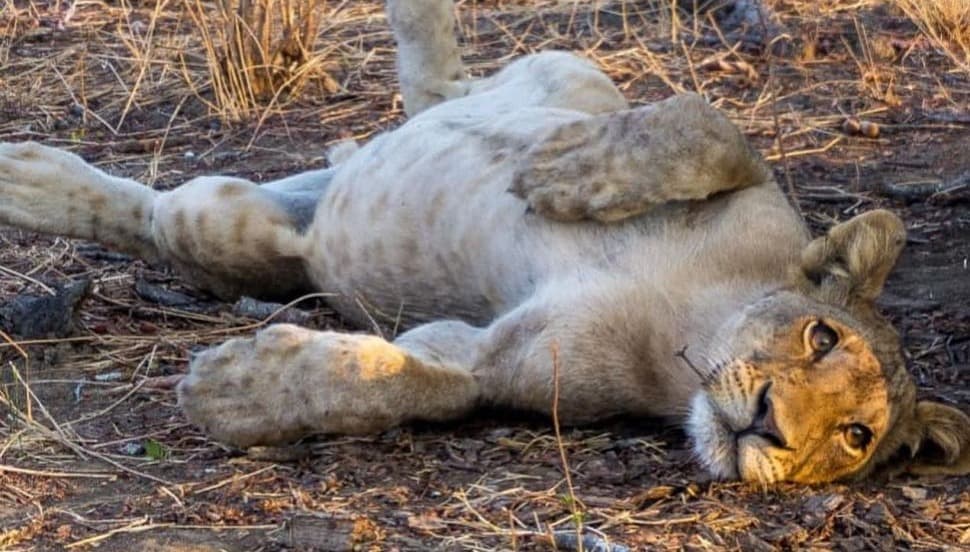
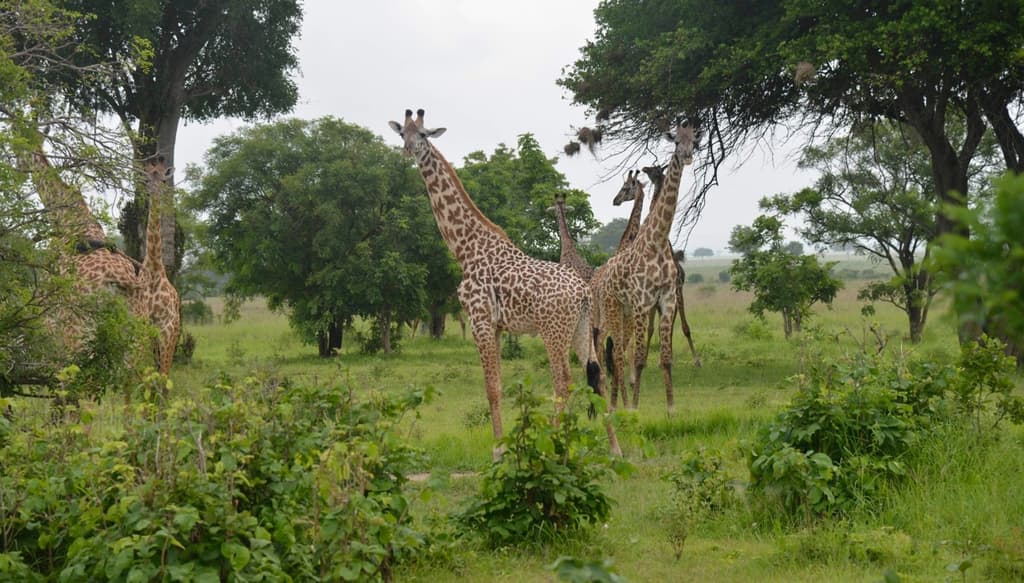
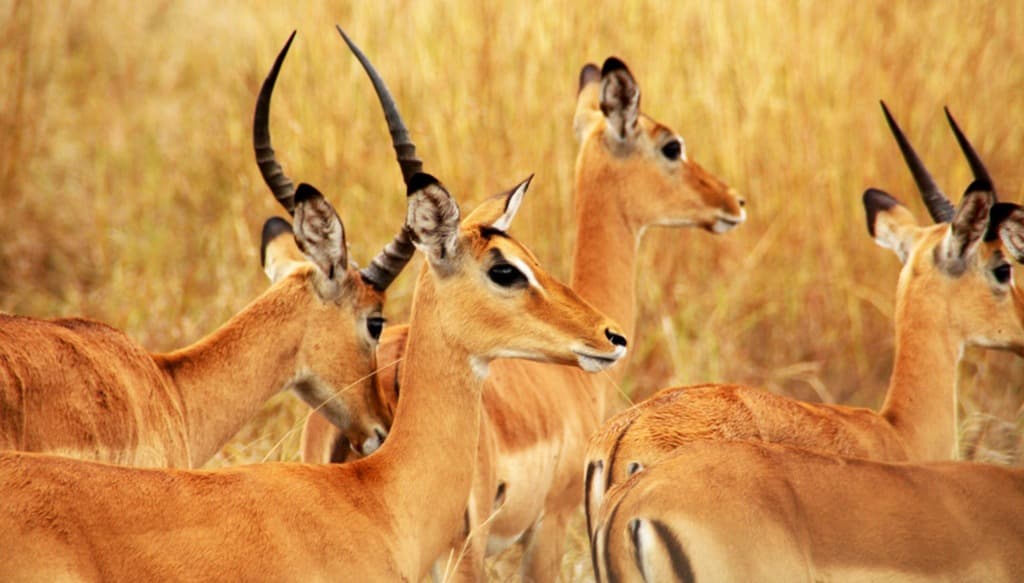
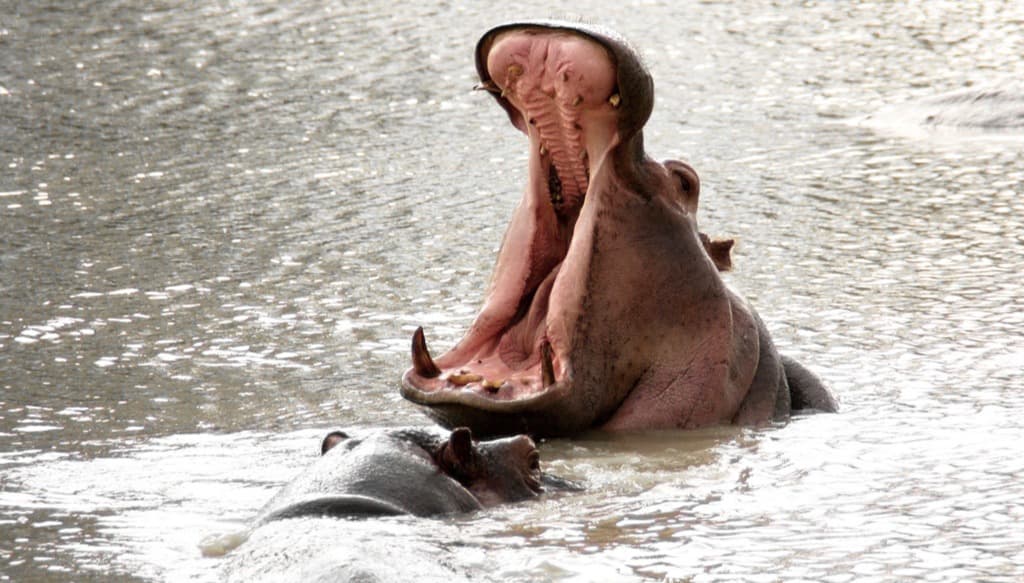
Beyond your research, Tanzania offers one of Africa's most extraordinary living environments — vibrant local culture, stunning landscapes, and remarkable wildlife. Affordable, eco-friendly safaris and tours are available for you and visiting friends or family.
Frequently asked questions
Can I do research without an internship?
Yes. Research and thesis work can be undertaken as a standalone programme or alongside an internship placement, depending on your academic requirements.
What support does Art in Tanzania provide for research?
Data entry and management, interview and meeting arrangement, daily supervision from academic-level team leaders, and a weekly planning and reporting system.
Which research disciplines does the programme fit?
Psychology, public health, environmental science and climate, gender studies, human rights and law, international development, business and CSR, education, and disaster management, among others.
When can I start?
Start and end dates are fully flexible, and all programmes run year-round, shaped around your university's submission calendar.
Is funding available?
Yes — Erasmus+ funding may fully or partially fund your research trip. Ask your student office about grant options.
Ready to discuss your research?
To explore whether Art in Tanzania is the right fit for your research or thesis, get in touch with Kari Korhonen directly to discuss planning and feasibility:
📧 < email slettet af sikkerhedsmæssige årsager > · 📱 WhatsApp: +255 767 777 73 · 🎥 Schedule a Zoom call
Ready to apply?
📋 Apply now · 🌐 Visit our website · 📷 See the compound · ✈️ Pre-travel info · 📖 EVOLVET volunteer development programme · 💬 Read testimonials
Get in touch
Have questions? We'd love to hear from you.
📧 < email slettet af sikkerhedsmæssige årsager > · 📱 WhatsApp: +255 767 777 73 · 🎥 Schedule a Zoom meeting