Type of project: MSc internship
Starting date: Flexible, between January and March 2027
Duration: Preferably 6 months or longer (negotiable)
Salary: Allowance of up to 425 €/month. Grant holding students (i.e. Erasmus or others) receiving financial support of less than €425 per month can apply for a top-up supplement to the maximum allowance.
Location: Wetsus – European Centre of Excellence for Sustainable Water Technology, Leeuwarden, the Netherlands
Introduction
Conventional water quality monitoring often focuses on measuring individual chemical compounds, while the combined effects of complex contaminant mixtures can remain overlooked. Building on recent research integrating chemical screening and ecotoxicological assessment, this project aims to explore how bioassays can complement conventional monitoring and provide early indications of potential environmental risks.
The internship will focus on identifying priority contaminants in European water bodies (surface water, groundwater, and lakes, particularly in relation to contaminant discharge and water treatment) and developing screening-level ecotoxicological approaches to evaluate water quality and the effectiveness of water treatment technologies.
Your tasks
- Compare and evaluate existing studies to identify suitable ecotoxicological methods and bioassays for assessing water quality and treatment performance based on the priority contaminants which will pre-defined during the internship.
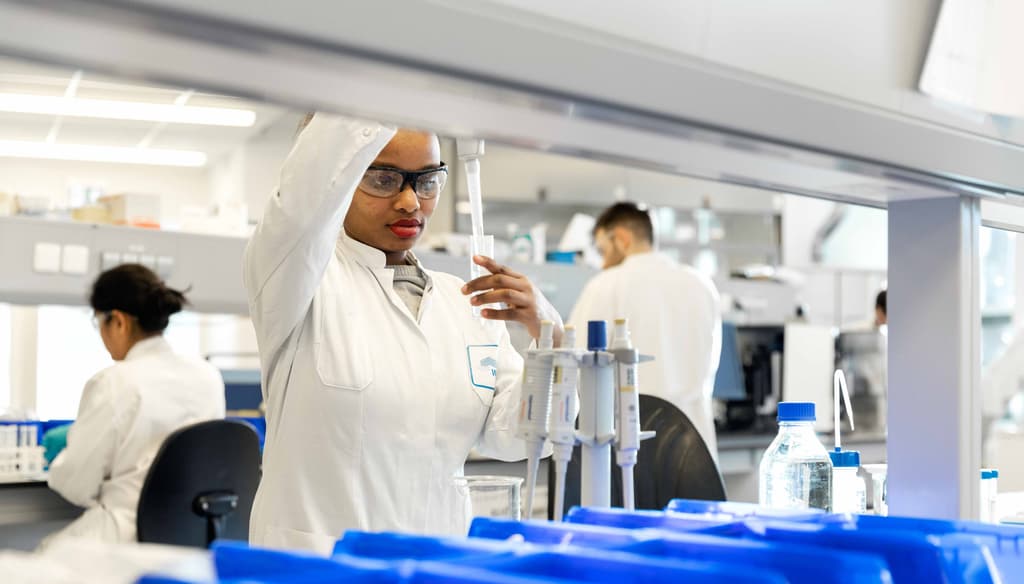
- Conduct laboratory ecotoxicological tests using selected bioassays to investigate the effects of priority compounds that are not sufficiently covered in the literature.
- Analyse and interpret the results and contribute to scientific reporting and recommendations for early-warning assessment tools.
Your profile
- Currently enrolled in a Master’s programme in environmental engineering, life sciences, biology, marine ecology, aquatic ecology or a related field.
- Experience with laboratory work, preferably involving ecotoxicological testing or bioassays.
- Interested in water quality and emerging contaminants.
- Able to work independently, think critically, and communicate effectively in English.
- Currently studying in the Netherlands or holding citizenship of an EU member state.